

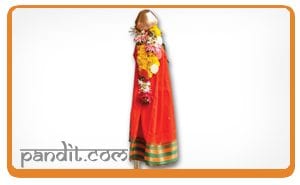
As per Konkanis Hindu and Maharashtrians, Gudi Padva is celebrated as the New Year day. People celebrate it in March or April, which corresponds to the month of Chaitra in the Hindu calendar. Lord Brahma created the world on this day, as people believe. People in different parts of the country celebrate the festival of Gudi Padva by various names. In Mumbai, people also call this festival Gudhi Padwa, while in Andhra Pradesh and Karnataka they call it Ugadi, and in Kashmir, they celebrate it as Nau Roz.
People in Punjab call it Baisakhi, Sindhis call it Cheti Chand, Bengalis call it Naba Barsha, Assamese celebrate it as Goru Bihu, and people in Tamil Nadu know it as Puthandu. Finally, in Kerela it is called as Vishu. People attach great importance to this festival and celebrate it with zeal and enthusiasm. People celebrate this festival by different names and enjoy it while following their rituals. They also consider this day a perfect time to begin anything new and important in life. People worship the divine power and seek the blessings for wealth, success and well being of them as well as their family members.
Why is the festival of Gudi Padva celebrated?
It is considered that on the Gudi Padva day, the universe is created. After Lord Brahma created the world on this occasion, Satyayug began, and people started considering it the New Year. During sunrise, the body absorbs all the divine consciousness, which is why people celebrate Gudi Padwa for 5 to 10 minutes at that time.
Spiritual Significance
The TejTatva waves containing five principles, and the waves of Prajapati develop on this day. These waves are stored in the body of a person.
Scientific Reasons Behind Celebration
Some scientific reasons are also behind the celebration of GudiPadva. Those who perform meditation to live a healthy life celebrate the festival of Gudi Padva by worshipping the Gudi during the early sunrise period. They used to do this because they believed that performing meditation in the early morning hours gives long-lasting health benefits. It protects an individual from several health-related ailments. Such meditation is thought to strengthen both body and mind through the purity of the early morning atmosphere. The body absorbs the divine consciousness obtained in the early morning for longer hours, helping a person remain fit and active throughout the day.
Traditional Celebrations
On the occasion of GudiPadva, people used to dress up in new clothes and celebrate the beginning of New Year along with their family members. People used to distribute new clothes and Sweets to the needy people on the occasion of Gudi Padva. Families organize gatherings, and all members celebrate this festival together.
Symbolism and Auspiciousness
The festival of Gudi Padva also symbolizes the colors of spring as people used to dress up in new and clean clothes on this occasion. People consider this day very auspicious for any new beginning, as they believe it brings positive effects. Positive energy fills a person’s life as he removes all negativities and starts afresh with new enthusiasm.
What is the method of raising Gudi?
People raise the Gudi on the right side of the entrance or Pooja area because they believe the right side represents the active state of the soul.
Before the program starts:
- People clean the area of Pooja.
- People draw a Rangoli in the shape of a Swastik on the ground.
- People spread Kumkum and Turmeric over the Rangoli.
- While making the Gudi, they invoke Shiva Shakti.
- They regard Sushumnanadi as a symbol of the Gudi in the body.
- Finally, they place the Gudi at the doorway.
Mantra and Spiritual Meaning
O Lord Vishnu, Lord Brama! Is the mantra that should be chanted on Gudi Padva day. It absorbs the five principles and principle of creation from the atmosphere. This prayer energizes the body and spirit because people consider the Gudi a symbol of victory and success. People worship many Gods on this day to achieve victory at different levels.
Village and Home Decorations
People in the villages decorate their houses with cow dung and Rangolies. Women and children wear new dresses and design Rangoli at doorstep. People use different colors of mirrors for ornamentation. Everyone wears new clothes and decorate the Pooja area. Family gatherings are also done. All family members eat sweets made with leaves of the neem tree to start the occasion. They mix the sweet with dhane , tamarind and Gul or Gur. Everybody eats this paste as it improves the immune system and helps fight diseases. In Maharashtra, people make Poorishrish and PuranPuli on the occasion. People also prepare Kheer, jaggery, coconut milk, sweet potato, and rice flour Sanna.
Celebrations and Beliefs
Doorsteps of the houses are decorated with Rangoli on this occasion. People used to decorate their houses with flowers and lights to celebrate the beginning of a new year. People worship the divine power on this occasion and seek blessings for success and well-being. They also believe that all kinds of problems and difficulties disappear from a person’s path to success. If he starts his work on the occasion of Gudi Padva. People consider this occasion perfect for beginning any new venture that holds importance in their lives. Thus, the festival of GudiPadva is able to provide a person with success, wealth and well being and provides protection from any kind of problem and difficulty in life. The worshippers receive blessings of success and well-being in life and overcome all their enemies.