

Karungali
Sort by:


Karungali is the Tamil name for ebony wood, Diospyros ebenum, a dense black wood revered in the Siddha tradition of South India. This collection brings together Pandit.com's karungali malas, bracelets, yantras and sticks, each selected under Pt. Rahul Kaushl.
Karungali in the tradition
In Tamil tradition karungali is kept and worn for protection and for absorbing negative energy, and it is often linked with Sevvai (Mangal, Mars) and with Lord Murugan. Karungali malas are used for japa, and karungali yantras are kept in homes and shops for protection and prosperity.
Karungali products
- Karungali mala: 108 beads and a guru bead, for japa or for wearing.
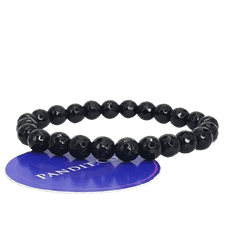
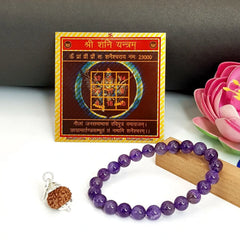
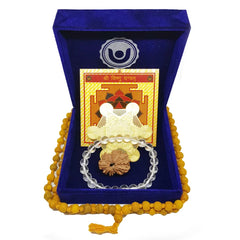
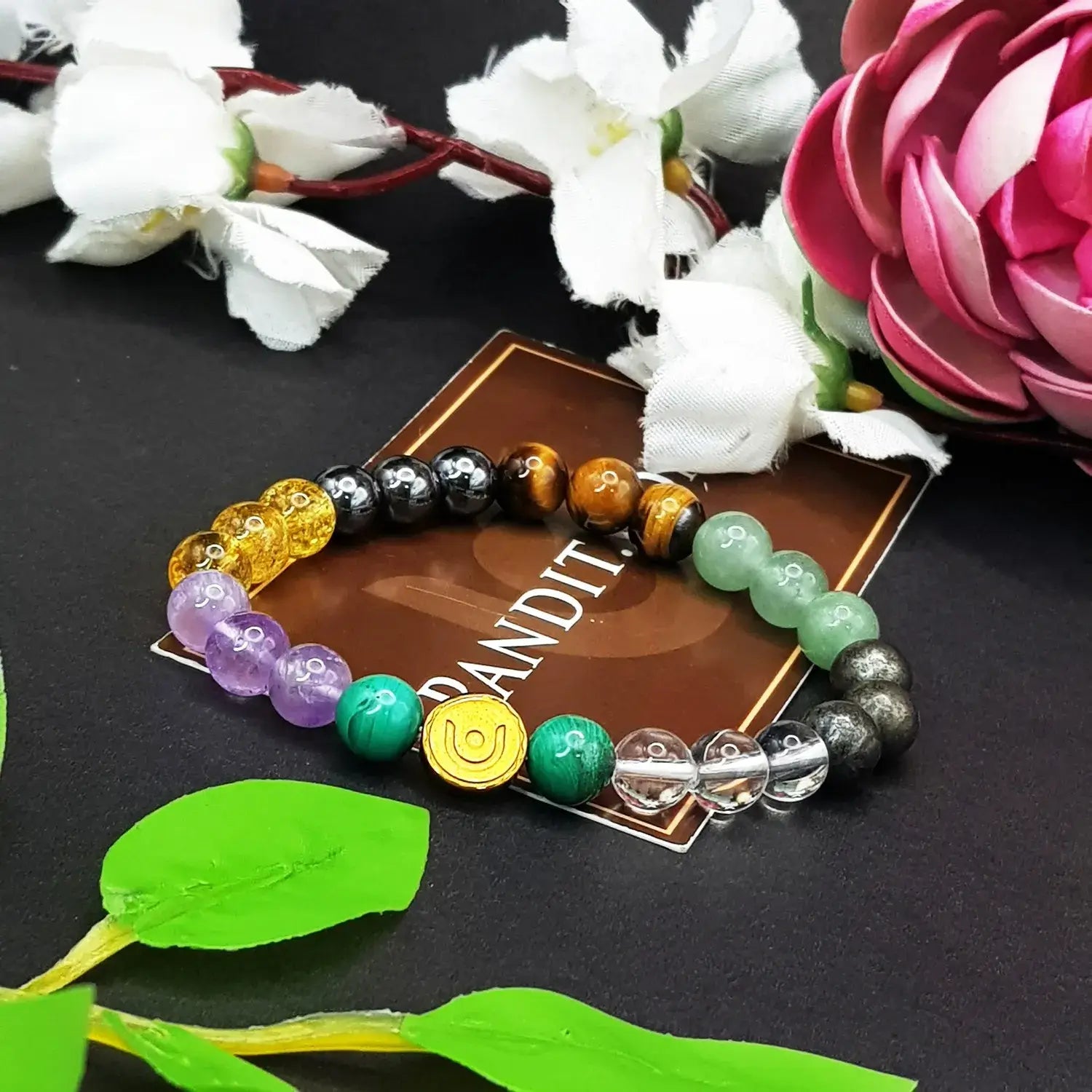
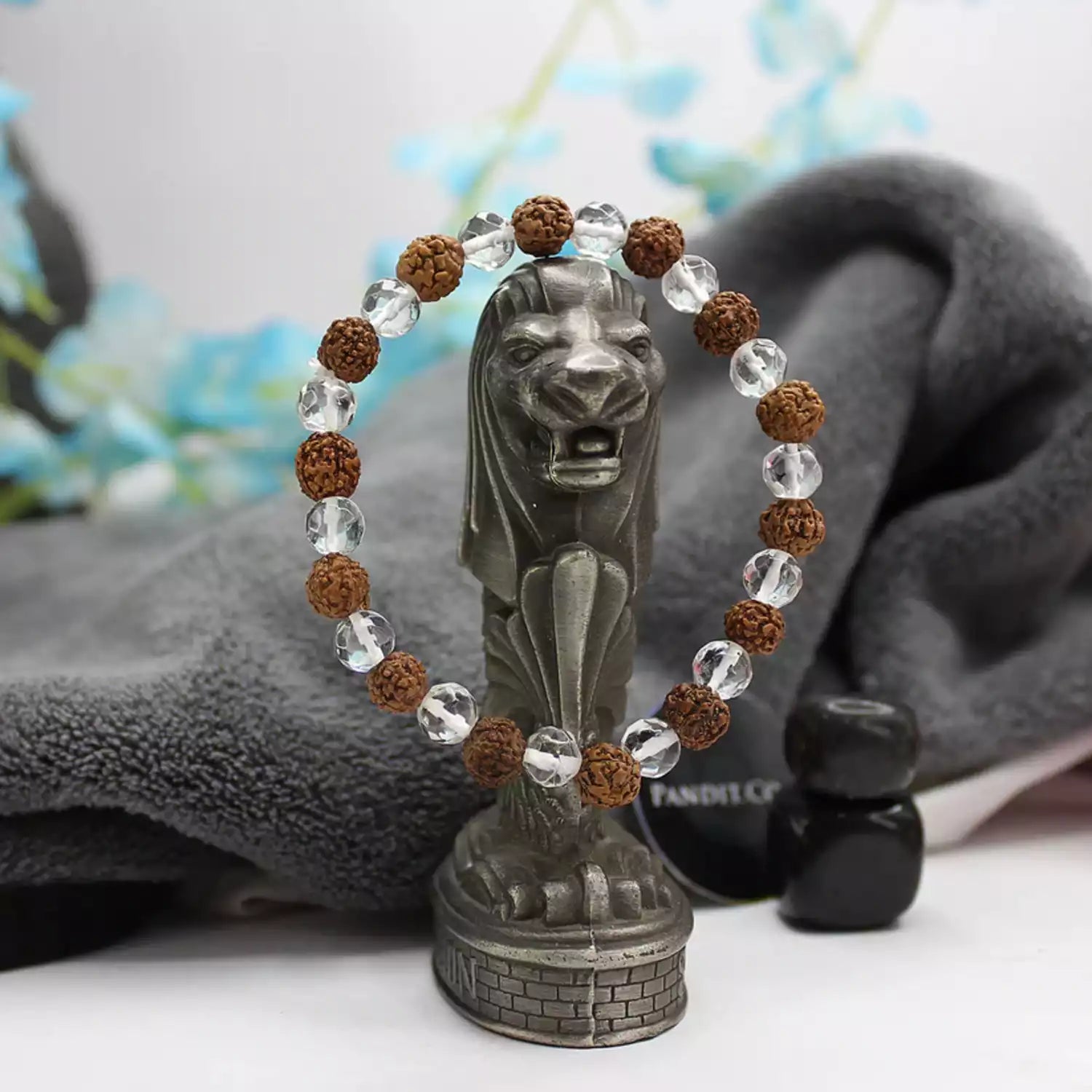
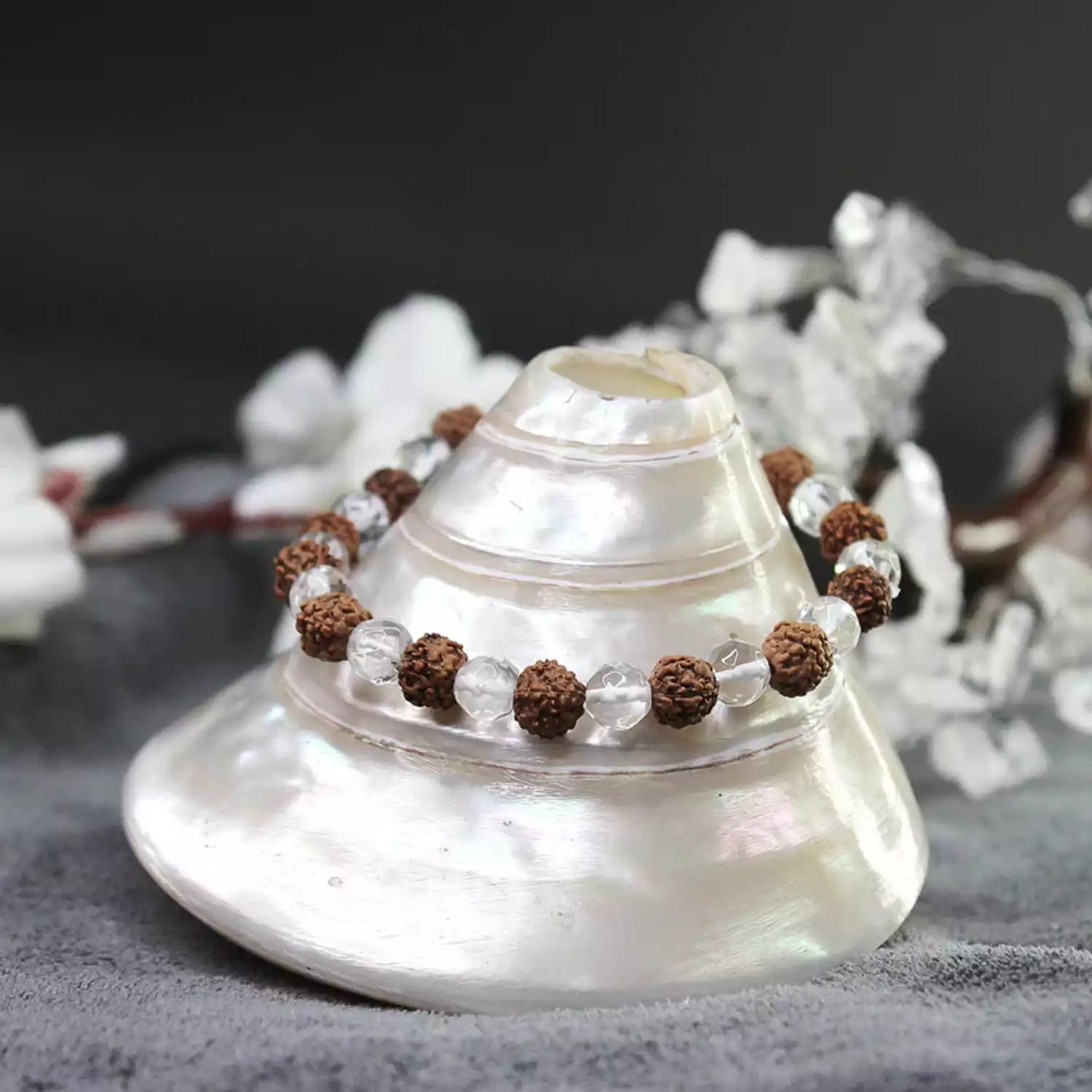
- Karungali bracelet: for daily wear; also available combined with rudraksha or sphatik.
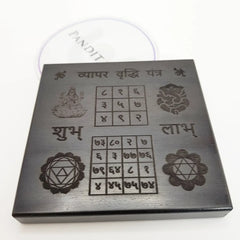
- Karungali yantra and Vyapar Vridhi: kept at home or at the place of business.
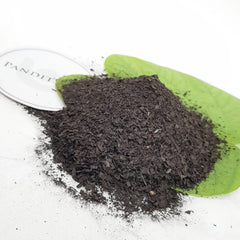
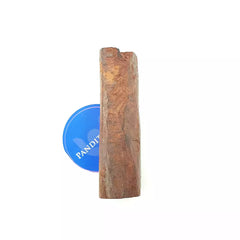
- Karungali stick and powder: used in rituals.
How to check genuine karungali
- Real ebony is heavy and dense for its size, and sinks in water.
- The colour is deep black to very dark brown, with fine grain; painted wood shows lighter wood where the paint wears off.
- Buy from a seller who names the wood and checks it before dispatch.
See also japa malas and protection remedies.
Frequently asked questions
What is karungali?
Karungali is the Tamil name for ebony wood (Diospyros ebenum), a dense black wood revered in the Siddha tradition.
Why is a karungali mala worn?
It is worn and used for japa for protection and for absorbing negative energy, and it is often linked with Sevvai (Mars) and Lord Murugan.
How can I tell if karungali is real?
Real ebony is heavy and dense, sinks in water, and is deep black with fine grain. Painted wood shows lighter wood where the colour wears off.
Can I wear karungali with rudraksha?
Yes. Karungali and rudraksha are often combined in one mala or bracelet.
Which day should I start wearing karungali?
Tuesday, the day of Mangal, is a common choice, in the morning after bathing.