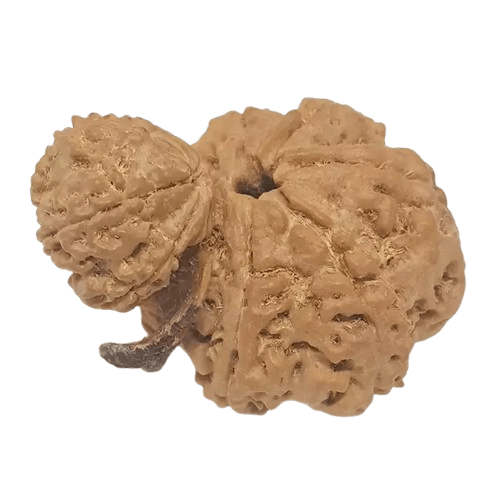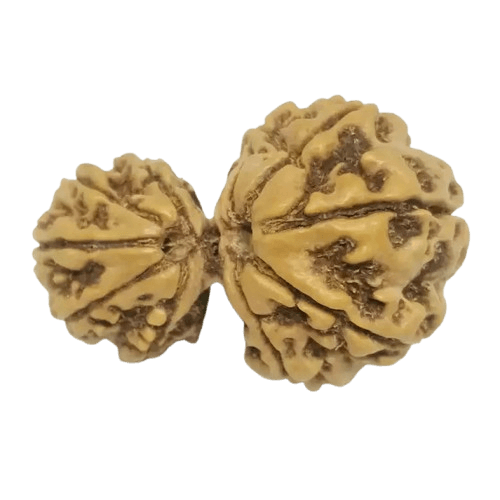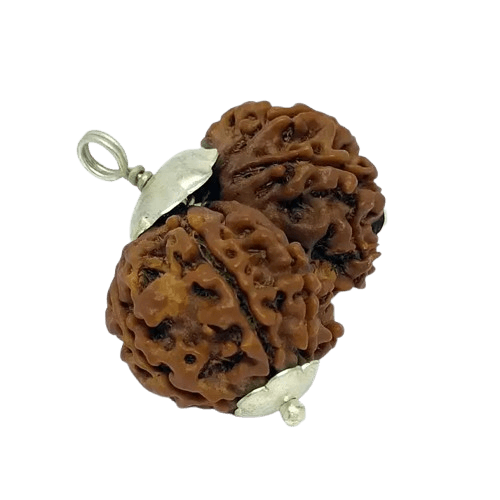


Maha Shivratri, "The Great Night of Shiva,” is celebrated to remember the wedding of Shiva and Parvati, Lord Shiva and Goddess Shakti. After much penance (तप) and utter devotion, Mata Parvati married Lord Shiva, and this day has been honored since then for the sacred marriage or union between them. On this day, the supreme deity celebrated his wedding through a dance called ‘ananda tandava’ आनंद तांडव.
The day is most special among Lord Shiva devotees. It’s believed that whoever keeps Maha Shivratri fast attains Lord Shiva's divine blessings, achieves salvation, and absolves all sins.
When is Maha Shivratri Celebrated?
Maha Shivratri is the auspicious night for Shiva devotees. The worshippers prepare themselves before the actual night arrives. It usually arrives on the fourteenth day of the dark (waning) half of the lunar month of Phaguna or Magha, a day before the new moon, generally in February and March.
This festival also has its mention in different Puranas like Skanda Purana, Linga Purana, and Padma Purana.
Maha Shivratri 2026: When Exactly Will It Fall?
In 2026, Maha Shiv Ratri will be celebrated on the date of 15th Feb, Sunday, chosen as per the Hindu calendar, and we all know that it changes yearly. The worship and praying times, which include the Nishita Kaal Puja (midnight), will be done between 11:55 PM and 12:56 AM on February 16.
This puja ritual must be followed by important first and second prahar, respectively.
Now, we will tell you the rules and rituals for this fast. But before that, it’s important to know first about the types of fast people usually observed these days, out of which you can keep your desired one. So, let’s take a look:
Types of Maha Shivratri Fasts
Nirjala: This one is the toughest and the strictest fast, and one cannot have food and water throughout the day and night.
Phalahar: In this type of Maha Shivratri fasting, one can only eat fruits or have milk and water. Nuts, seeds, or raisins can also be taken. The persons who cannot completely give up on food can observe this fast on Maha Shivratri.
Partial Fast: Keeping this fast, one can eat some vegetarian foods. One thing that must be kept in mind is that vegetarian food must be without grains and pulses. Saabudana and Kuttu are good for observing this fast, and they can be eaten in different ways. Onions and garlic are completely prohibited.
Potatoes are also fine to be consumed, but follow some specific guidelines like aloo tikka, khichdi, and so on, but onions and garlic must be avoided.
Don’t have these foods on Maha Shivaratri
- Grains
- Non-vegetarian
- Normal Salt
- Some vegetables
- Alcohol/caffeine products
Step-By-Step Instructions To Observe Maha Shivaratri Fast
Specific rituals are performed on this day and night. Let’s have a glance at the breakdown of the key rituals:
IN THE MORNING
- The faster should wake up in the morning before sunrise and take a bath to purify the body.
- The person then can visit the Shiv Mandir or place a Shiva Lingam or an image of Lord Shiva on the prayer altar.
- Shiva Abhishekam is performed then, which means the bathing ritual of Shiva Lingam. It is given by pouring water, honey, milk, ghee, and bel leaves.
- Then puja is done, offering bel patra, white flowers, milk, and honey to the Shivling. A diya must also be lit for the sacred moment.
- It’s important then to chant mantras like ‘ॐ नमः शिवाय’ or the Maha Mrityunjaya Mantra too to invoke Shiva’s blessings.
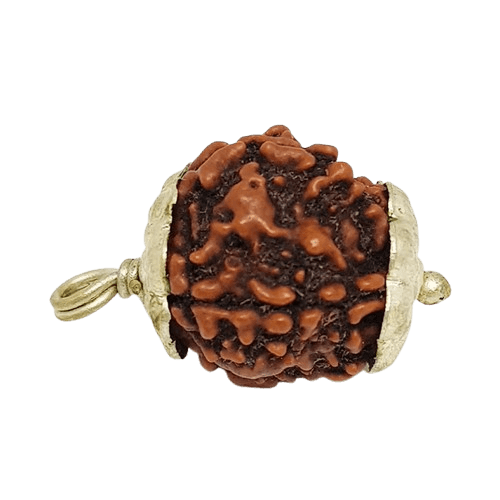
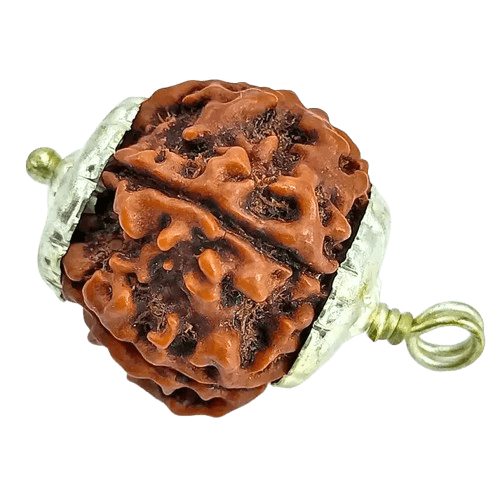
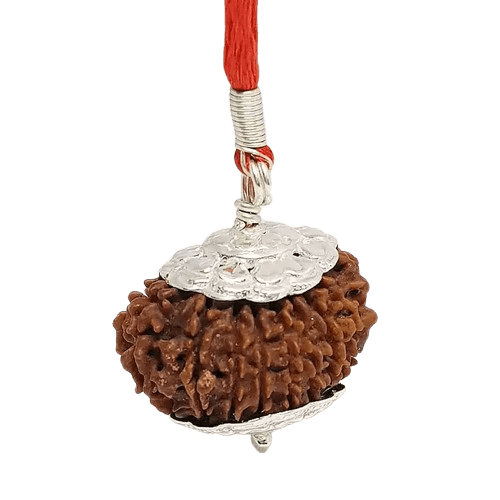
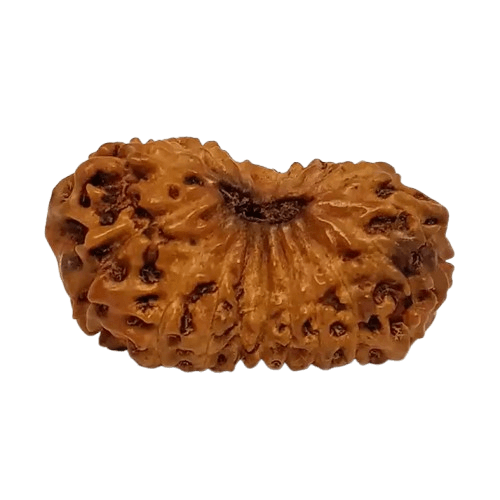
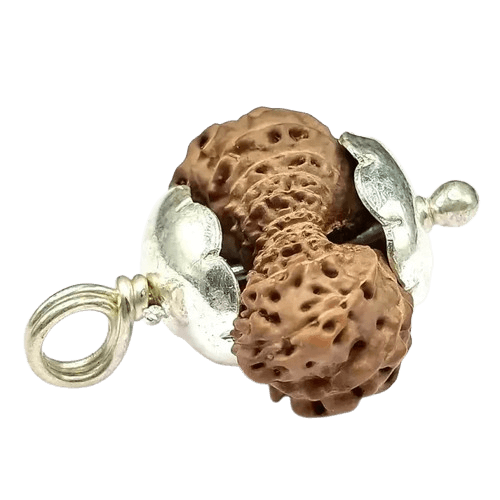
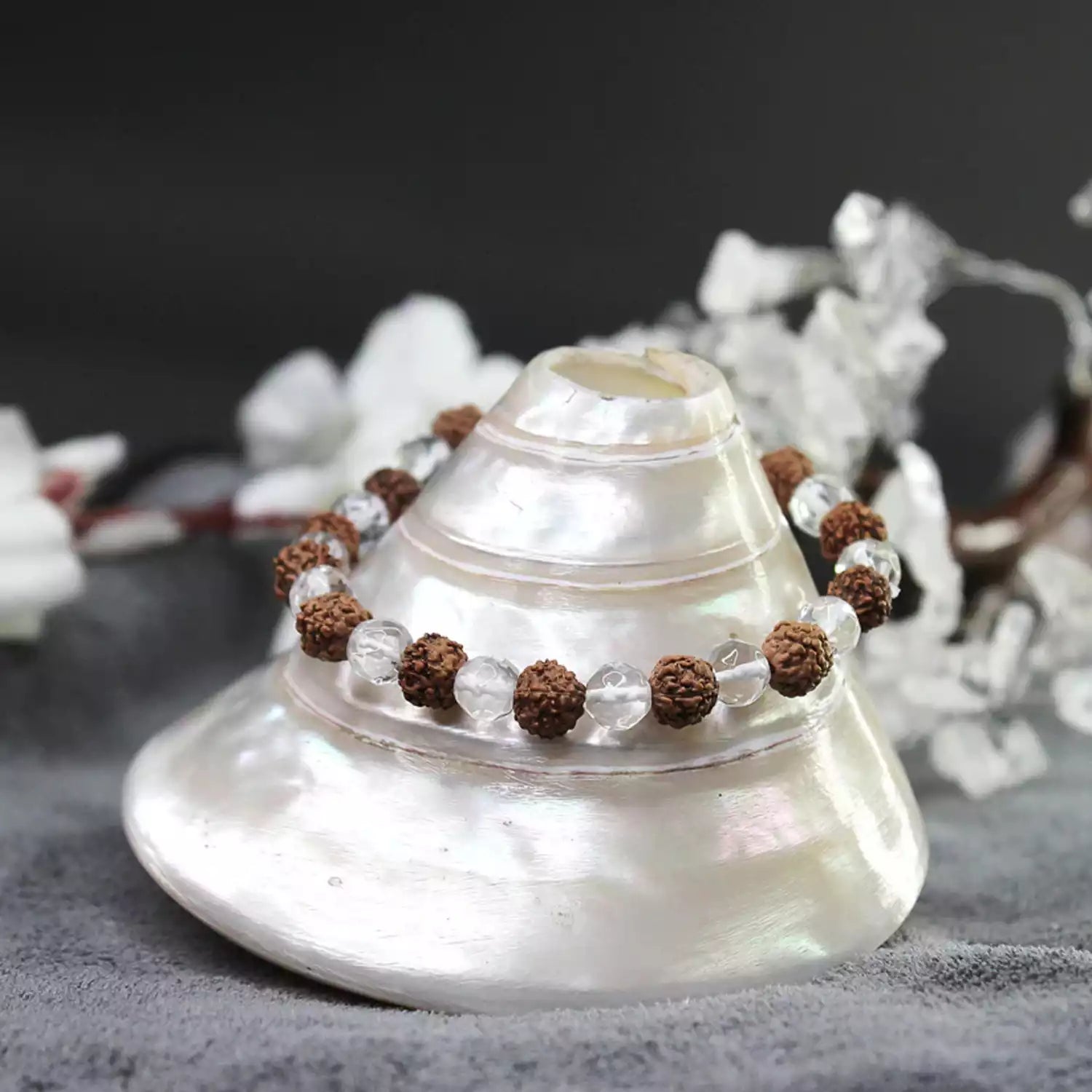
- Get yourself 7 Mukhi Rudraksha Nepal to energize your puja auspiciously.
DURING RATRI (रात्रि)
- The fasters also stay awake during the ratri, called the night vigil or Jagran. This is one way of connecting deeply with the divine energy of Lord Shiva. The worship is done all night.
- While staying awake on Mahashivratri, one must chant mantras to embrace the positive energy, which also overcomes ignorance and distractions that come in the way faster.
- Chant more mantras, sing devotional songs called भजन, or read Shiv Purana stories this night because this creates a spiritual aura that night and will help you feel Shivji’s presence.
- Light more diyas to spark up the भक्ति essence.
- The fast is kept and concluded till the next morning when the final pooja is done.
- Prayers of gratitude are offered to Lord Shiva for his love, protection, and blessings. Ask for his grace in your prayers for prosperity in your life.
- After the puja is contemplated, prasad can be distributed to the family and friends or fellow devotees who became part of the puja.
SOME IMPORTANT POINTS TO NOTE:
- While fasting, except Nirjala, you can eat foods like sago, millet, pumpkin, potato, makhanas, arbi, yogurt, or any fruit.
- Bet Patra, dhatura fruit, raw rice, milk, curd, sandalwood, and ghee are some samagris that can be offered to the Shivling during Shiv Puja.
- Some people also offer sweets made with milk like barfi, pedal, and kheer.
- Bath Shivlinga with Panchamrit with water, milk, saffron, honey, and Ganga water. Light diya and incense.
- Observing fast, devotees must eat Satvik food only.
- Keep yourself hydrated so that you might not become weak and keep fast rightly and feeling energized.
- Only the sandalwood paste should be used for tilak, not kumkum.
Concluding Thoughts
- Since only Shiva's loving ones are called upon to observe the Maha Shivaratri fast, consider yourself fortunate if you are doing so. You can sense the divine's presence beside you and the enduring love between Shiv and Shakti if you observe the fast correctly.
- You can also buy a Shivratri Pujan Kit from pandit.com to contemplate this fast successfully.