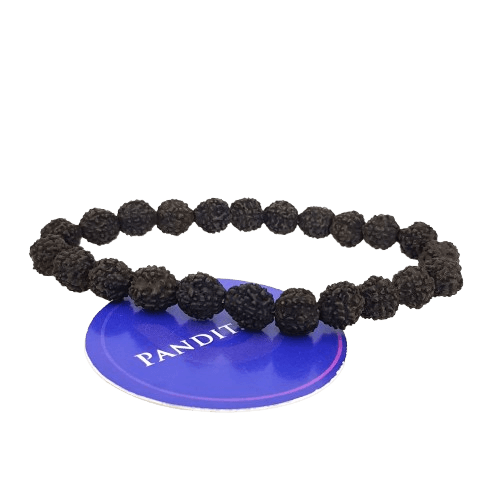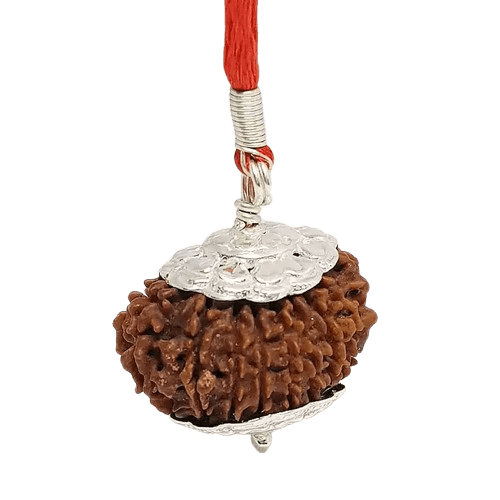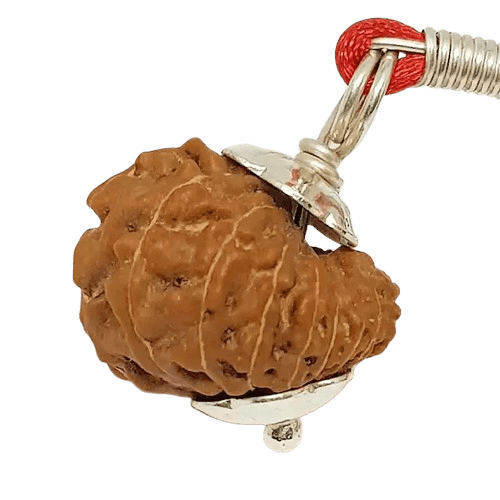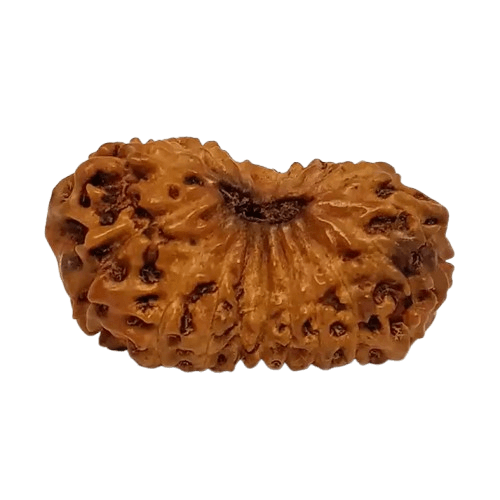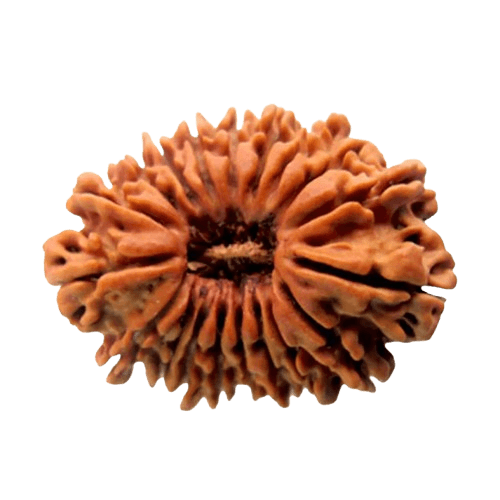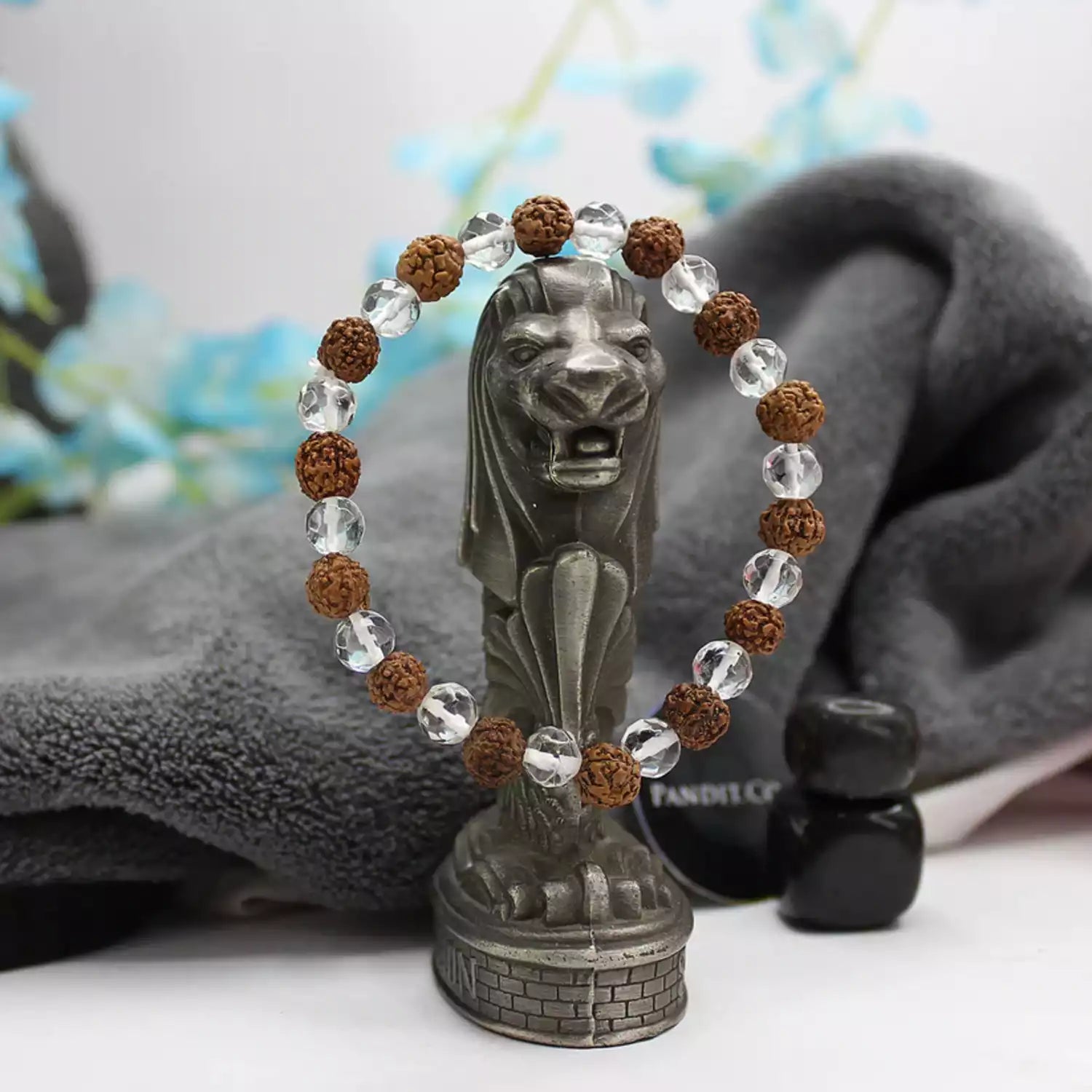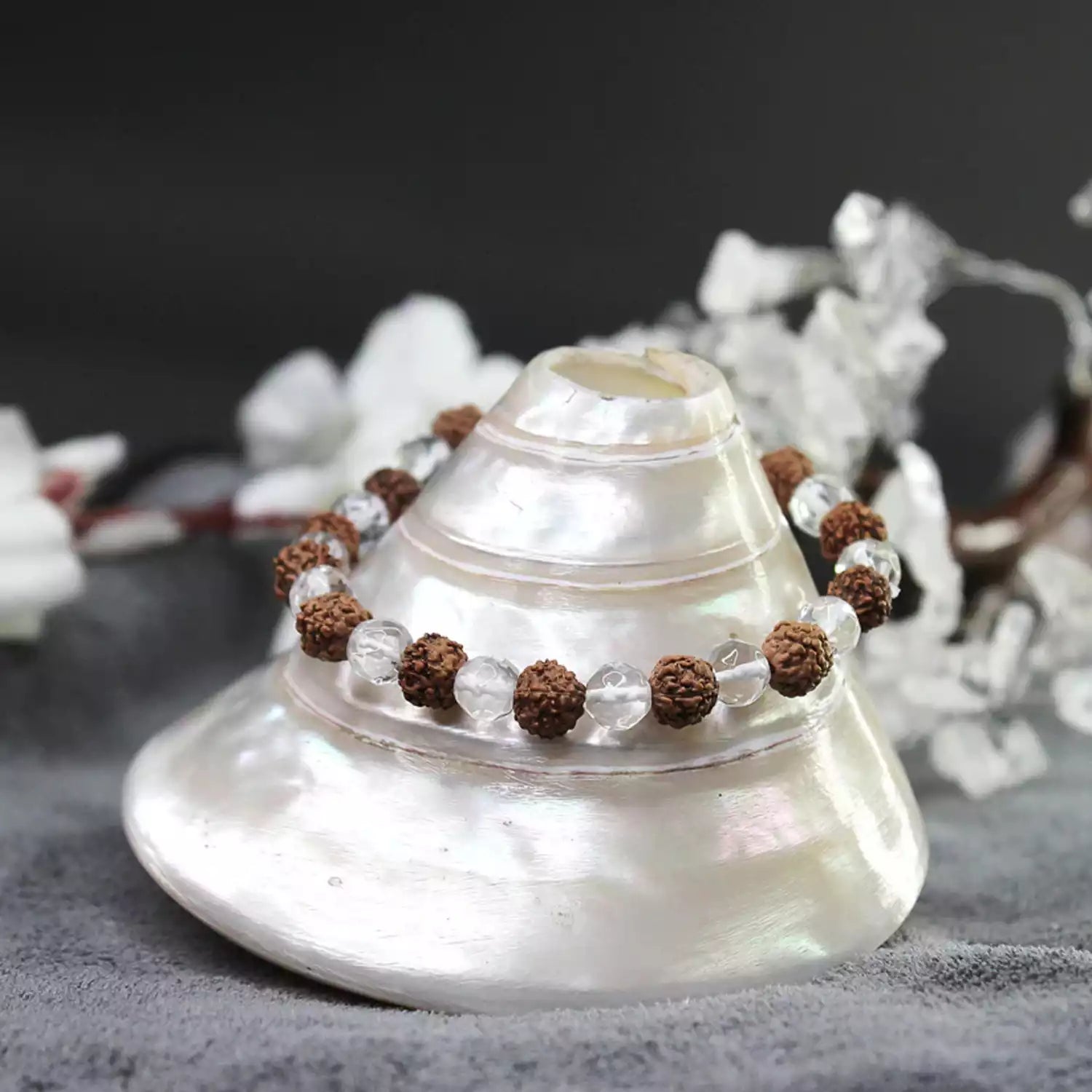


Rudraksha beads have been revered for centuries as sacred gifts of Lord Shiva. Their spiritual, mental, and physical benefits are well-documented in scriptures and spiritual practices.
However, many myths have emerged around who can wear Rudraksha, particularly regarding gender.
Cultural traditions and outdated beliefs often suggest that women, especially during menstruation or pregnancy, should avoid wearing Rudraksha.
But these claims are not grounded in authentic spiritual texts. Understanding the myth versus reality helps women confidently embrace Rudraksha without fear or hesitation.
Myth 1: Women Cannot Wear Rudraksha During Menstruation

One common myth is that women should remove Rudraksha beads during menstruation because they are “impure.”
This is purely a social and cultural misconception. Ancient scriptures like the Shiva Purana and tantric texts do not impose any gender restrictions.
Energy is not determined by bodily cycles. The spiritual vibrations of Rudraksha remain effective regardless of menstruation.
Reality: Women can wear Rudraksha throughout their menstrual cycle without reducing its spiritual benefits.
Myth 2: Rudraksha is Only for Men or Sages

Another widespread belief is that Rudraksha is meant exclusively for male ascetics, yogis, or priests.
Historically, however, female spiritual practitioners, yoginis, and Shaivite devotees have worn Rudraksha for protection, meditation, and spiritual growth.
Ancient female saints like Anandamayi Ma and tantric yoginis were known to use Rudraksha malas for mantra chanting and rituals.
Reality: Rudraksha is gender-neutral. Anyone with devotion and proper intention—male or female—can experience its benefits.
Myth 3: Women Can Only Wear Certain Types of Rudraksha

Some claim that women should avoid higher-mukhi Rudraksha beads because their energy is “too strong.” This misconception is unfounded.
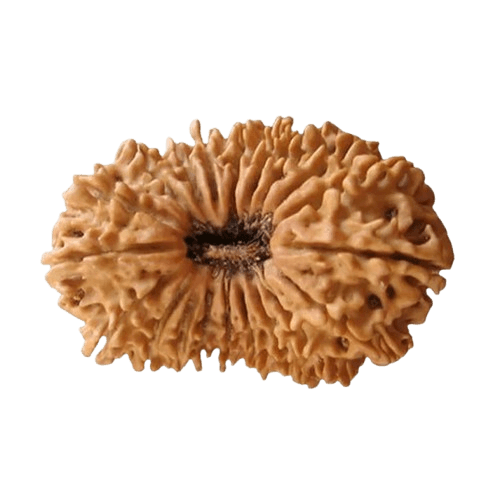
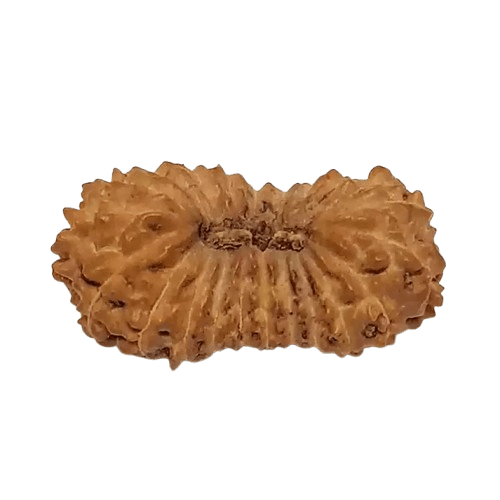
Each mukhi Rudraksha has a specific energy corresponding to chakras, planets, and spiritual attributes, and these energies interact with the wearer’s aura rather than their gender.
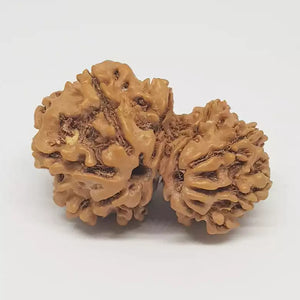
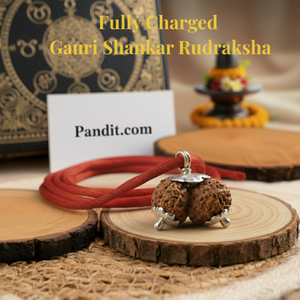
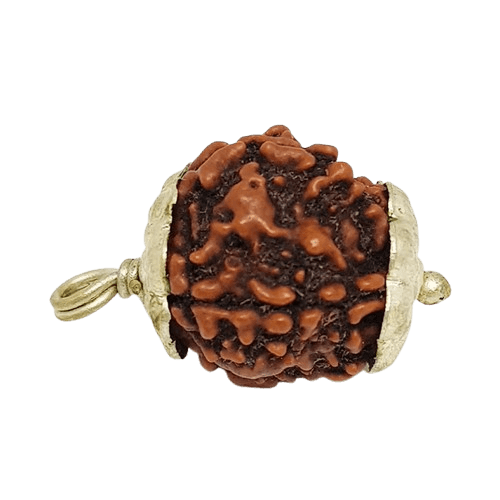
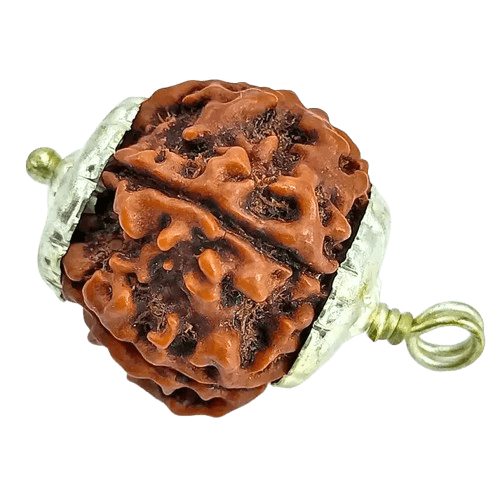
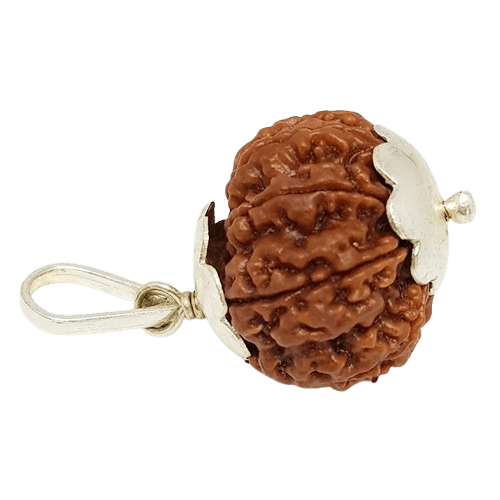
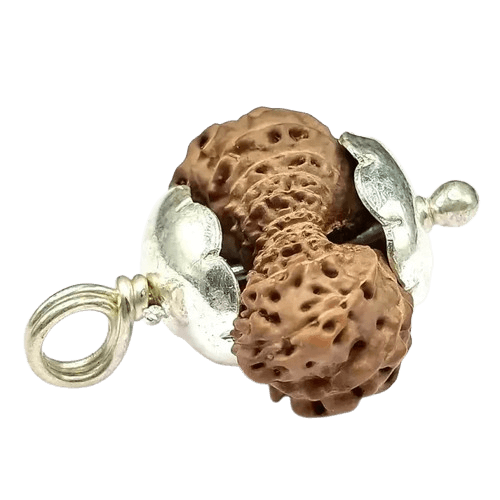
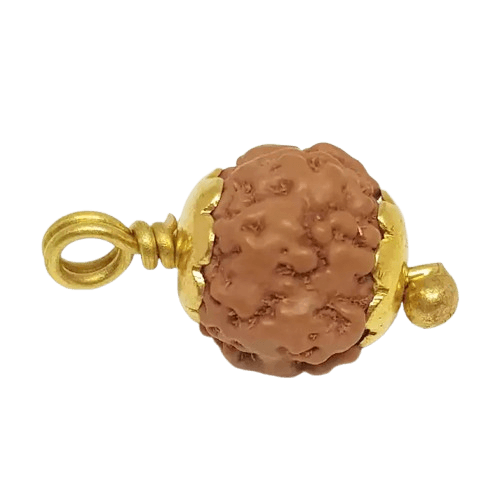
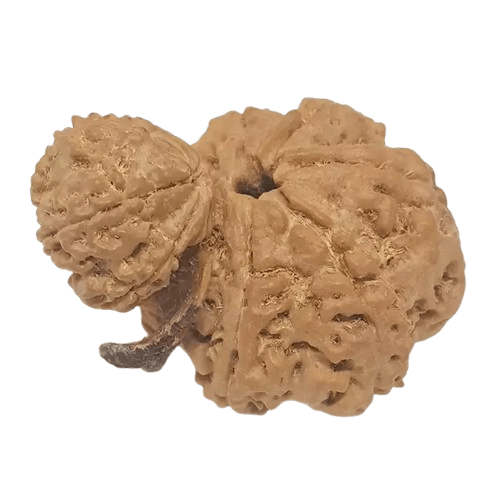
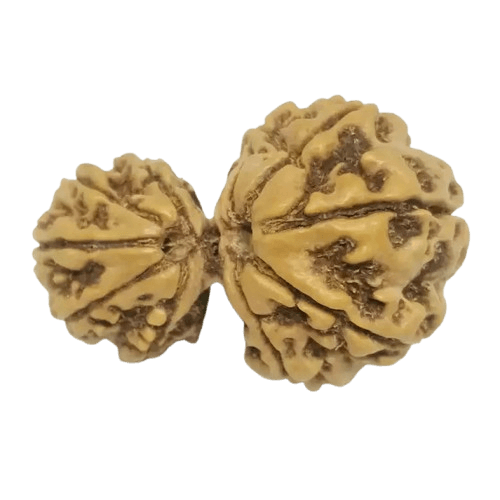
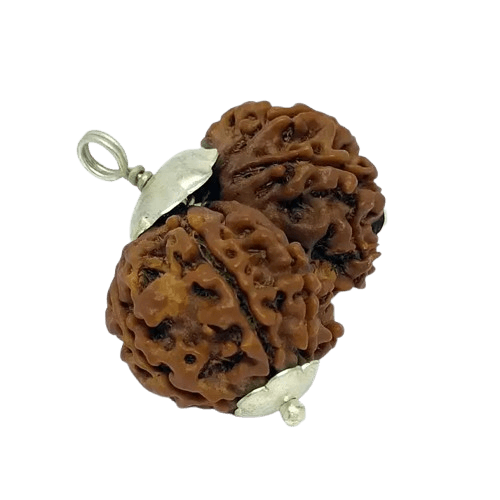
Women can wear any mukhi Rudraksha that aligns with their intentions—be it Panchmukhi for emotional balance or Gauri-Shankar for harmony.
Reality: The choice of Rudraksha depends on intention, not gender.
Myth 4: Women Should Avoid Rudraksha During Pregnancy

Cultural taboos often advise pregnant women to avoid Rudraksha for fear of “disturbing the baby.” In reality, Rudraksha is energetically calming and protective.
It can help reduce stress, anxiety, and emotional fluctuations, creating a positive environment for both mother and child.
Reality: Rudraksha can be safely worn during pregnancy, especially beads like Panchmukhi or Gauri-Shankar, which promote balance and protection.
Conclusion: Understanding the Reality
The myths surrounding gender and Rudraksha have no basis in authentic spiritual practice. Energy, intention, and devotion are the true determinants of a Rudraksha bead’s effectiveness.
Women can safely wear Rudraksha at all stages of life—during menstruation, pregnancy, or daily activities—while reaping its spiritual, mental, and emotional benefits.
By separating cultural myths from spiritual reality, women can embrace Rudraksha as a powerful tool for protection, meditation, and personal growth, free from fear or restriction.