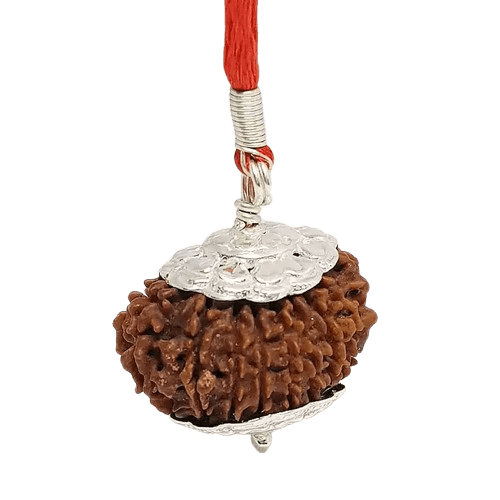


Excited for Sawan time coming up? It also brings you the sacred opportunity to observe Sawan Vrat for Lord Shiva. Yes, the people who are Lord Shiva devotees are well-versed about Sawan vrats, the four Mondays when people don’t refrain from eating dates on Shiva to achieve his holy grace.
But what is this vrat all about? Let’s get to know the mystery behind it, why people observe the vrat, and its sacred importance:
Sawan Somwaar Vrat & Its Sacred Importance
The holiest time of the year, Sawan Somvaar Vrat, is observed on Mondays during the month of Sawan (Shravan). The time is believed to be extremely auspicious when devotees observe fasts, perform rituals, and chant Lord Shiva mantras to please him and purify themselves.
In the Hindu Vedas, the day is ruled by the Moon (Som), which is said to be close to Lord Shiva’s heart. There are four Mondays when the vrat is kept; these days are considered powerful to keep the vrat.
Why Do We Keep Fast During Sawan? The Mythology Behind the Vrat
Now, one may ask, why do we fast for Sawan somwar? What’s the purpose? So, here are some of the reasons why a person observes Mahadev Vrat:
- It’s like a devotion and surrender to Lord Shiva.
- It helps in the spiritual purification of the body and mind.
- It grants you desire fulfillment, especially if you want marital harmony forever and want a good life partner.
- It helps in attaining practicality and controlling one’s overdesires.
The Cosmic Connection: Sawan & Lord Shiva
As per Hindu mythology, Sawan is the month when the energies of nature align with Lord Shiva’s presence. Also, it is said that at this time, Samudra Manthan took place, called the churning of the ocean.
When the ocean was churned, 14 divine treasures emerged at that time; one of them was Halahal, the deadly poison. To save the universe, Lord Shiva consumed the poison, which lodged in his throat and turned his throat blue. It’s because of this that Lord Shiva is called Neelkanth.
The mythology says that it’s due to cooling down the effect of poison on Lord Shiva; devas and sages began to offer water, milk, and sacred leaves to Lord Shiva, especially during the Sawan month.
Fasting For Devotion & Discipline
Another reason why Shiv Vrat is kept during Sawan days is for spiritual purification. It’s for general inner relief and calming the senses, shifting one’s energy towards spiritual growth.
Here’s what it is kept for as a spiritual purpose:
- Detachment from worldly desires
- Cleansing of body, mind, and soul
- Strengthening one’s willpower and devotion
- A heartfelt offering to please Lord Shiva, who is known to be easily pleased by simple and sincere prayers.
Vrat Observance For Unmarried Women and Marital Blessings
In many parts of India, unmarried girls observe the Sawan vrat to get an ideal life partner like Lord Shiva, the devoted, powerful, and kind. Every married woman keeps a vrat because of her husband’s long life and prosperity. In addition, it also keeps peace and happiness in the household. The vrat observance also strengthens one’s bond through shared spiritual goals, if one has them.
Shiva & Parvati’s Love Story
It is believed that Goddess Parvati did intense tapas and penance during the Sawan month to win Shiva’s love and devotion. Her tapasya moved Lord Shiva’s heart, and he accepted her as his divine consort. So, this vrat also reminds us of devotion, discipline, and faith, and how it can win the most divine heart.
Must-Do Rituals During Sawan Vrat (Shravan Somwar)
a. Morning Bath & Clean Start
The day begins with a clean, holy bath, which is before sunrise. The puja space is then cleansed to the core, and clean clothes are worn, typically white or light-colored, to perform auspicious rituals.
b. Shivling Abhishek
Shivling Abhishek is also called the sacred bathing of Lord Shiva. The Jalabhishek is done in the Shiv puja, and after that, the panchamrit abhishek is also done, which is the mixture of milk, honey, curd, ghee, and sugar on the shivling, chanting:
‘Om Namah Shivaya’
Or Maha Mrityunjaya Mantra’
c. Bet Patra & Offerings To Make
Bel patra, white flowers, milk, bhasma (vibhuti), and fruits are offered to Shivji while doing puja. The Bel Patra must always be offered facing upwards, and it has three leaflets.
d. Vrat Katha Recitation
Vrat katha is then recited, which narrates the significance and blessings of observing this fast. Shiv Chalisa and Shiv Puran are also recited.
e. Evening, Puja & Aarti
Finally, after the puja, Shiv aarti is done, in which a diya is lit up with full devotion. Offer fresh water or milk again if possible.
Step-By-Step Puja Vidhi
- Start by clearing your puja area thoroughly and set up a photo or Shivling on a clean cloth or any wooden platform.
- Sit facing east or north.
- Fold your hands and take a vow to observe the Somvaar Sawan Vrat with full devotion and purity.
- Express your love, wishes, and prayers to Lord Shiva.
- After this, Jalabhishek and Panchamrit Abhishek are done to the Shivling.
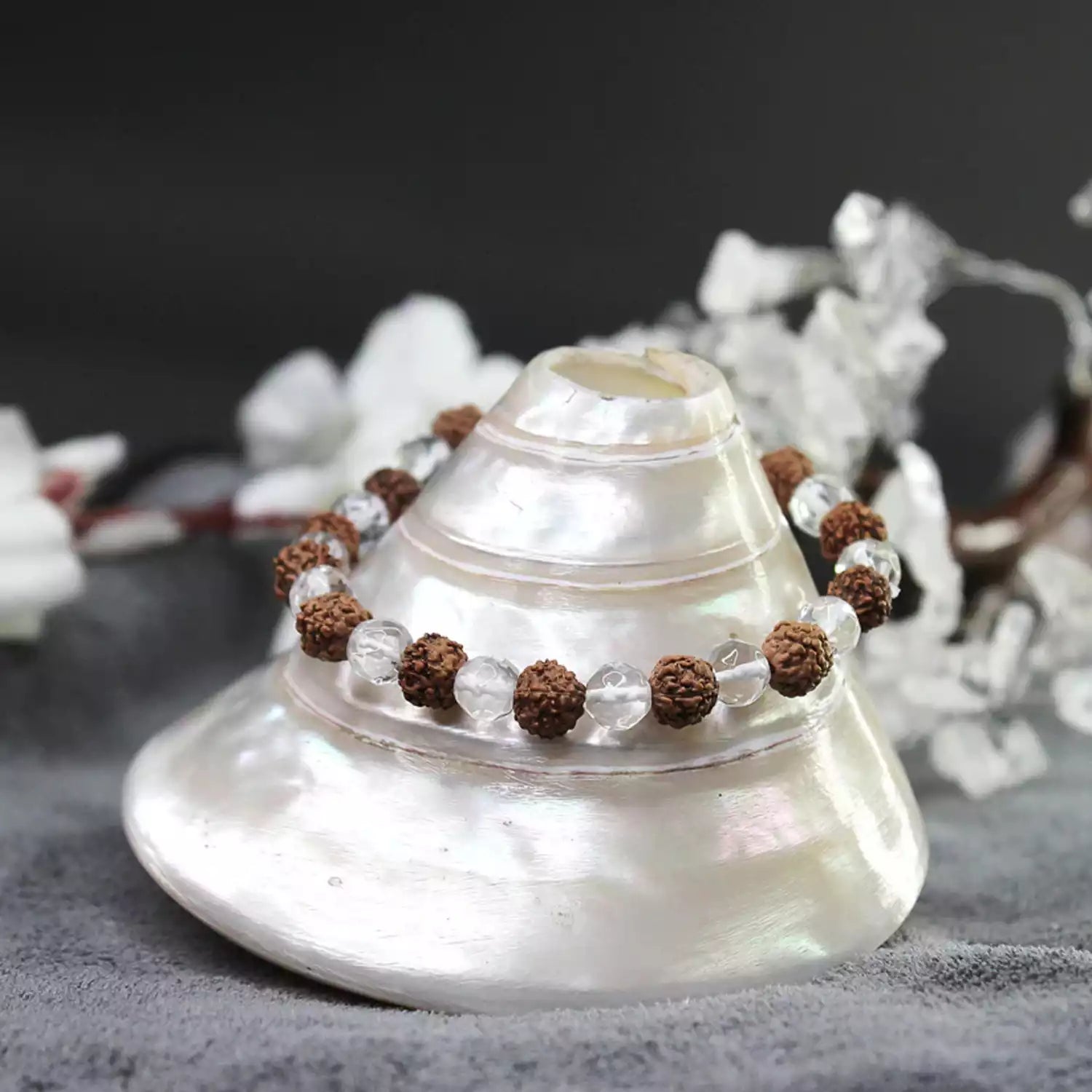
- Chant the mantras of Lord Shiva; repeat them 108 times. You can also wear a Rudraksha Mala while chanting the mantras.
- Bel Patra, white flowers, sandalwood paste, and fruits, especially coconut or banana, are offered to the Shivling.
- Incense sticks and diyas are also lit up for positive vibes.
- The vrat katha is read and listened to.
- The final step is doing Aarti and prayers.
- After aarti, offer your heartfelt gratitude to Lord Shiva.
What To Eat & What To Avoid During Sawan Fast?
Sawan fasts are also about one’s inner cleansing. So, it involves a satvik pure diet, which helps make the mind, body, and soul revive.
Have a look at the quick guide on what you should eat and what things to avoid:
What to Eat:
- Fruits
- Dairy products, including milk, curd, paneer, and ghee. The paneer must be homemade.
- Vrat-friendly grains like Singhara flour, kuttu flour, and Rajgira.
- Vegetables, including potatoes, sweet potatoes, arbi, pumpkin, and lauki.
- Sabudana for khichdi, vada, and kheer.
- Rock salt, called sendha namak.
What To Avoid:
- Regular Salt
- Onion and Garlic
- Grains like wheat, rice, and lentils
- Non-vegetarian food and eggs
- Alcohol, caffeine
Mistakes That Invalidate Your Vrat
- Using regular salt instead of sendha namak
- Eating grains, rice, pulses, and processed foods.
- Consuming onions and garlic.
- Skipping the puja or vrat katha
- Forgetting the vow
- Getting angry, lying, and harming others
- Offering forbidden items to Lord Shiva, like tulsi, turmeric, and red flowers
- Wearing dark-colored clothes during puja.
- Breaking the fast improperly, which is eating before sunset or without evening prayer.
- Inconsistent fasting, which means missing a Monday, disrupts the spiritual cycle.
Final Reflection
So, this was a short guide to the rituals one must do to observe each Sawan Somvaar vrat. In short, the reason behind this vrat observance is that it honors the act of Lord Shiva act of drinking poison. It helps in cleansing one’s soul and seeking blessings for marital life. Above everything, it reenacts the devotion of Parvati’s love for Lord Shiva.
For more such puja vidhis and ritual guidance, get connected with us at ppandit.com. If you seek personalized consultation on divine accessories or spiritual ornaments, then talk to the Astro expert and Vastu Guru, Pt. Rahul Kaushl for the ideal advice.
Keep up the spirit and chant “Om Namah Shivaya.”