


Meditation is a transformative practice that nurtures mental clarity, emotional balance, and spiritual growth.
While it can seem intimidating to beginners, a structured step-by-step approach makes it accessible and highly effective.
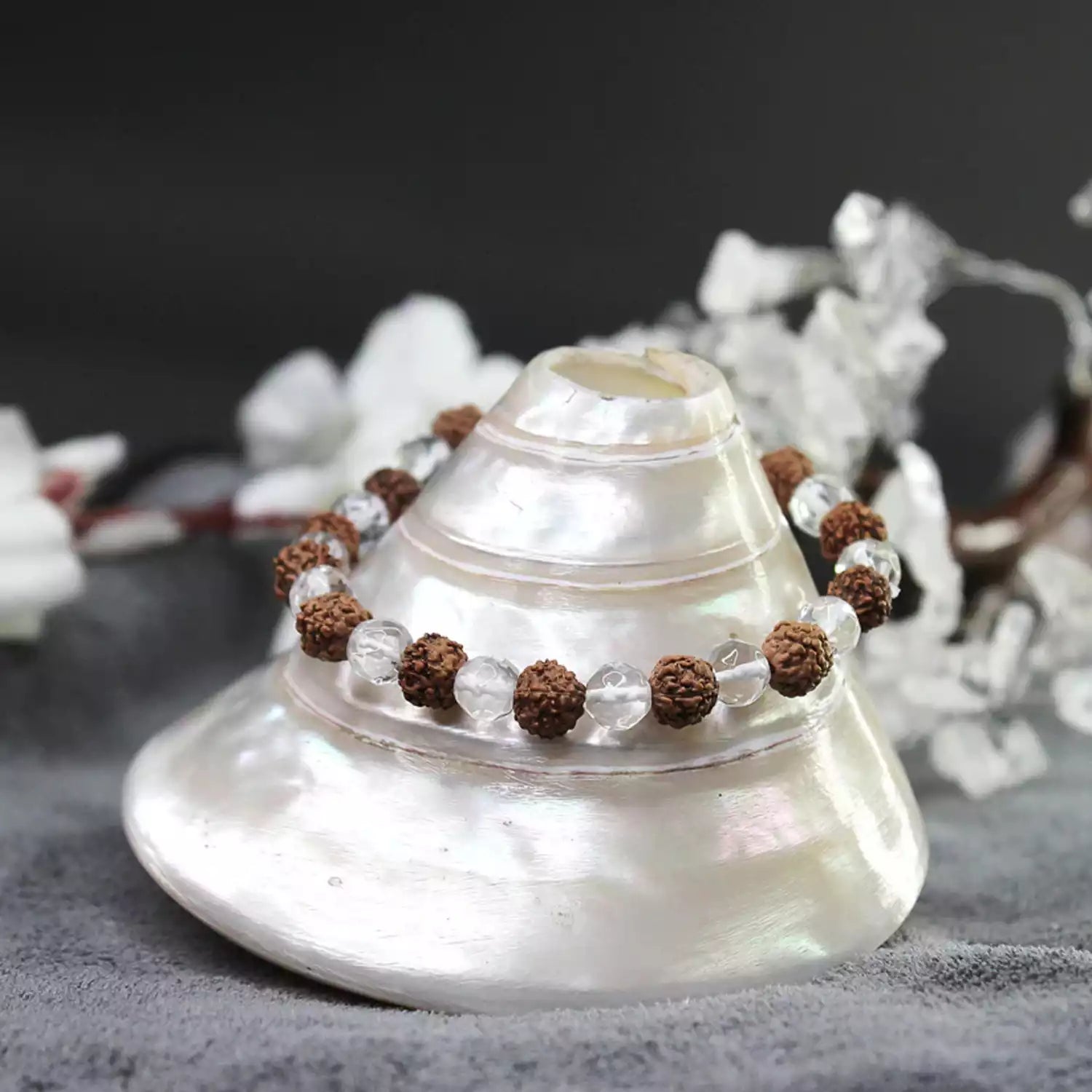
Incorporating a 5 Mukhi Rudraksha or similar spiritual tools can deepen the experience, but meditation itself is a versatile practice that anyone can adopt.
This guide will walk you through a practical method to cultivate focus, calm, and inner harmony in your daily life.
Step 1: Create a Calm Environment
Begin by finding a quiet, clean space where you won’t be disturbed. Your environment should feel peaceful and free from distractions.
You can enhance the atmosphere with soft lighting, incense, or gentle background music. A dedicated meditation corner helps signal to your mind that this is a sacred time for reflection and self-care.
Sit comfortably on a cushion or chair with your spine erect and shoulders relaxed. A stable posture ensures alertness while minimizing physical strain during the session.
Step 2: Center Yourself
Close your eyes and bring awareness to your body. Take a few deep, intentional breaths, inhaling slowly through the nose and exhaling fully through the mouth.
Notice how your body feels, releasing tension in your neck, shoulders, and jaw. Mentally scan your body from head to toe, acknowledging any areas of tightness and gently letting them soften.
This step helps anchor you in the present moment and prepares your mind for focused meditation.
Step 3: Hold or Wear Your Spiritual Tool
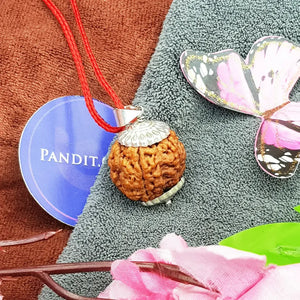
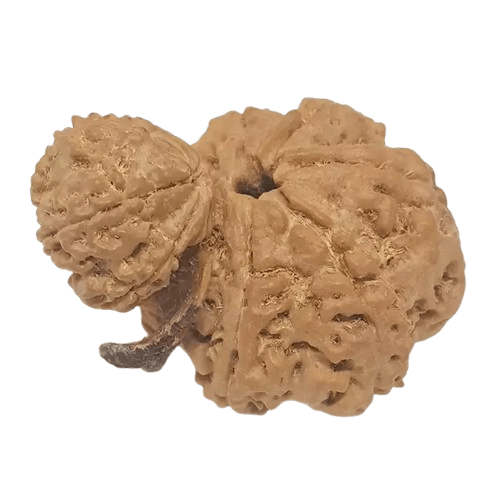
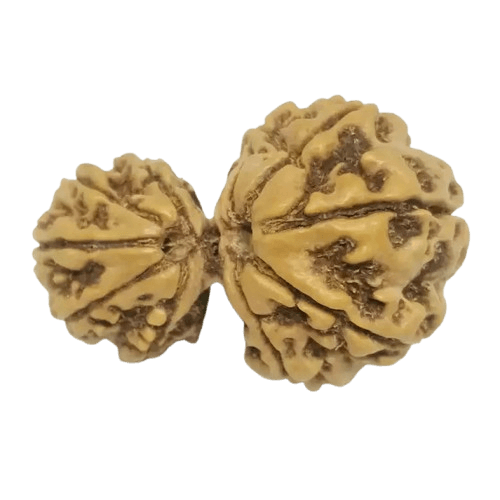
If using a 5 Mukhi Rudraksha or a similar spiritual aid, hold it in your right hand or wear it close to your heart.
This bead serves as a tactile focus point, guiding your energy and enhancing the spiritual dimension of your practice.
Feel its texture, weight, and subtle energy as you breathe, creating a tangible connection between your body and your meditation intention.
Step 4: Focus on the Breath
Begin breath awareness, observing each inhale and exhale without trying to change it. Count your breaths if needed—inhale for four counts, hold for two, exhale for six.
Deep diaphragmatic breathing engages the parasympathetic nervous system, calming the mind and body.
If thoughts arise, acknowledge them without judgment and gently return attention to your breath. This cultivates focus and trains your mind to remain present.
Step 5: Incorporate Mantras or Affirmations
Optionally, you can chant a mantra like “Om Namah Shivaya” or silently repeat positive affirmations. Using your Rudraksha as a mala, recite the mantra once for each bead.
Mantras help anchor your mind, enhance concentration, and invite positive energy. Affirmations like “I am calm, I am focused, I am balanced” can further reinforce a peaceful mindset.
Step 6: Visualize and Reflect
Visualize a warm, radiant light filling your body with calmness and clarity. Imagine tension dissolving with each breath, and your mind becoming clear and balanced.
Spend a few minutes reflecting on gratitude, compassion, or personal intentions. Visualization strengthens mental focus and emotional resilience while deepening your meditation experience.
Step 7: Gently Conclude
After 10–20 minutes, slowly bring awareness back to your surroundings. Wiggle your fingers and toes, stretch lightly, and open your eyes.
Take a few deep breaths and carry the calm and focus cultivated during meditation into your day.
Benefits of Step-by-Step Meditation
- Reduces stress and anxiety
- Enhances mental clarity and focus
- Improves emotional balance
- Strengthens spiritual awareness
- Promotes physical relaxation and well-being
By following this structured step-by-step meditation guide, even beginners can experience profound peace and clarity.
Consistency is key—daily practice transforms meditation from a routine into a powerful tool for self-discovery, emotional resilience, and inner harmony.