

Jai Kanhaiya Lal Ki!
Every year, a beautiful day arrives that is sacred to every person on earth who is a Krishna devotee. Yes! And that day is Janamashtami.
It’s the day when the streets of India are filled with divine lights, the air is mesmerized with Krishna chanting, and hearts overflow with devotion, celebrating the birthday of our beloved Lord Krishna.
As per Hindu mythology, the avatar of Lord Vishnu, Lord Krishna, took birth on this day, the eighth day of the month of Bhadra, according to the Hindu calendar.
The day is divinely called Gokulashtami. The devotees wear Tulsi Jap Mala, do mantra chanting and pray to Lord Krishna for his divine blessings. Lord Krishna was born on this day to destroy Mathura’s demon king, Kansa, who was also the brother of Lord Krishna’s virtuous mother, Devaki.
Now, we will walk into the beautiful celebrations people do on this day, along with the sacred rituals they perform, like Raas Leela and Dahi Handi. So, let’s take a look at
Unique Janamashtami Celebrations
a. Dwarka & Vrindavan Celebrations:
Dwarka is the ancient kingdom of Lord Krishna in Gujarat, and the celebration of Janamashtami was done with royal grandeur here.
The Dwarkadhish temple was decorated fabulously, and people used to gather there for cultural performances and to do rituals.
However, as per the Hindu texts, it is said that Dwarka got submerged into the water after Lord Krishna's departure, which marks the beginning of Kali Yuga.
In Vrindavan, where Krishna's childhood was spent, the celebration of Janmashtami is done in a more playful and devotional way.
The temples, like Banke Bihari Mandir, are decorated, Raas leela is done, and bhajans are chanted that fill the air with the highest devotional vibrations, along with also performing the Jhula ceremony.
b. The Midnight Grandeur:
It is considered that Lord Krishna’s birth occurred at night, so at Vrindavan, at night, bhajans are chanted and devotional singing is done, remembering Krishna. The devotees of Lord Krishna wear traditional clothes and Tulsi Jap Mala to do the rituals. The Abhishek, called ceremonial bathing, is done for baby Krishna with milk, curd, ghee, honey, and holy water.
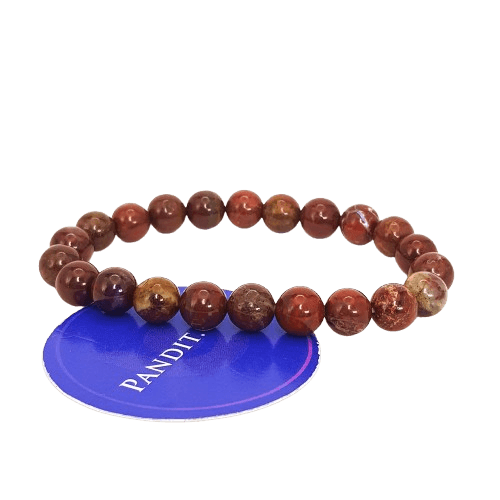
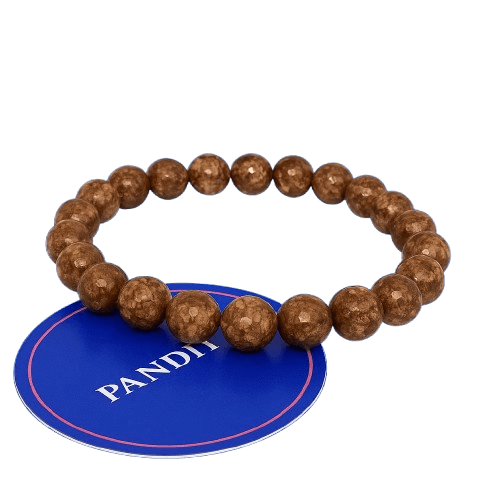
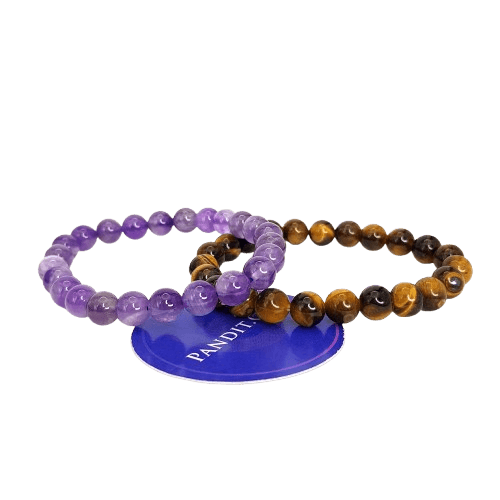
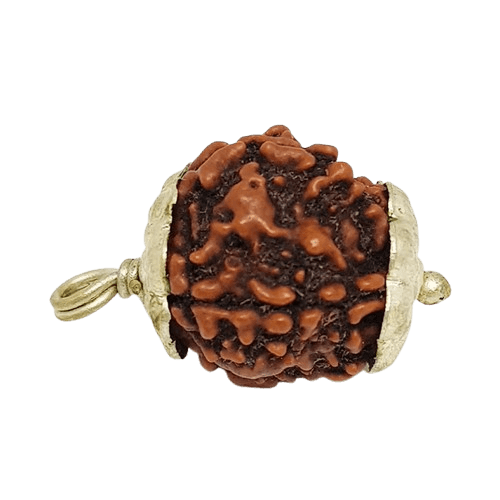
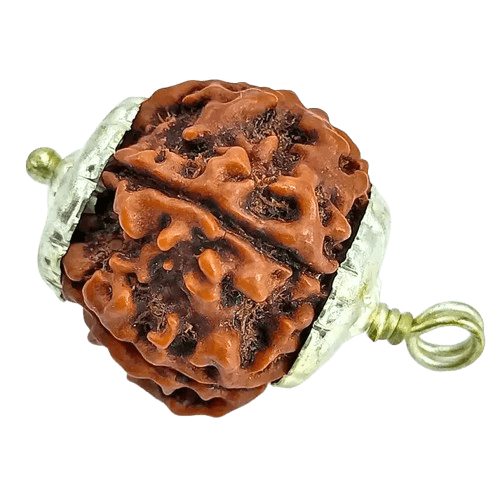
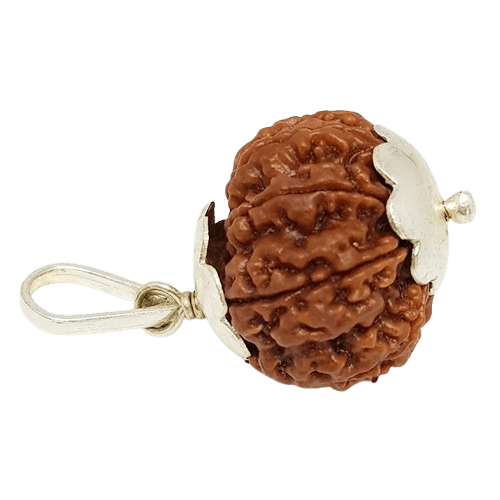
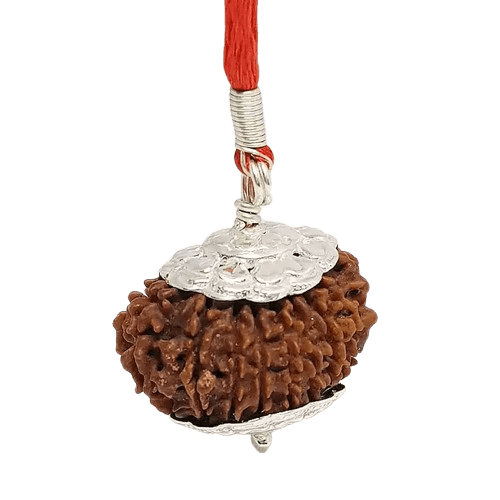
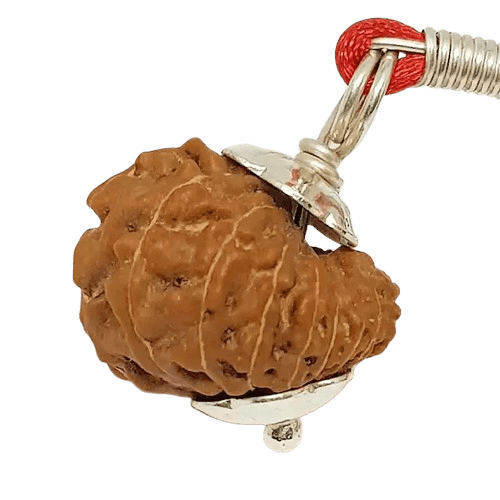
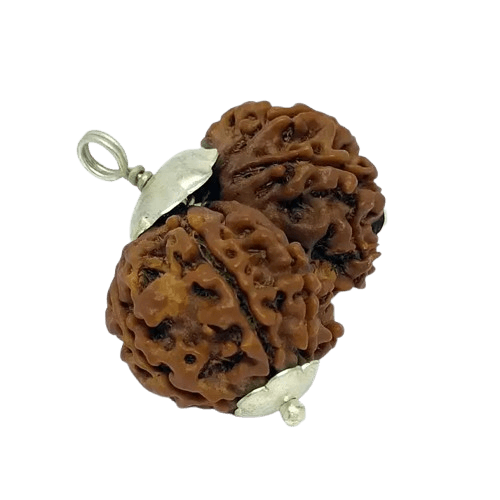
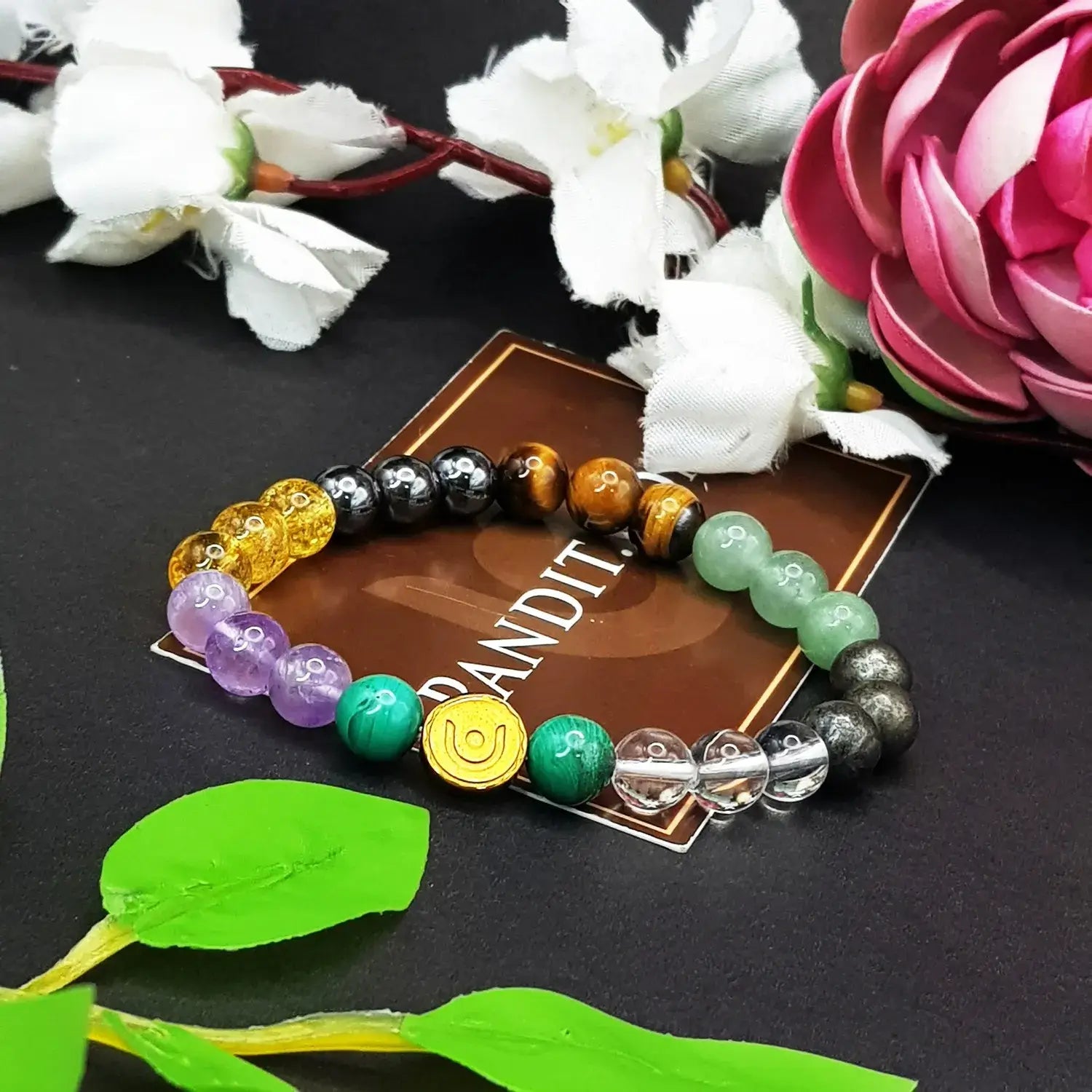
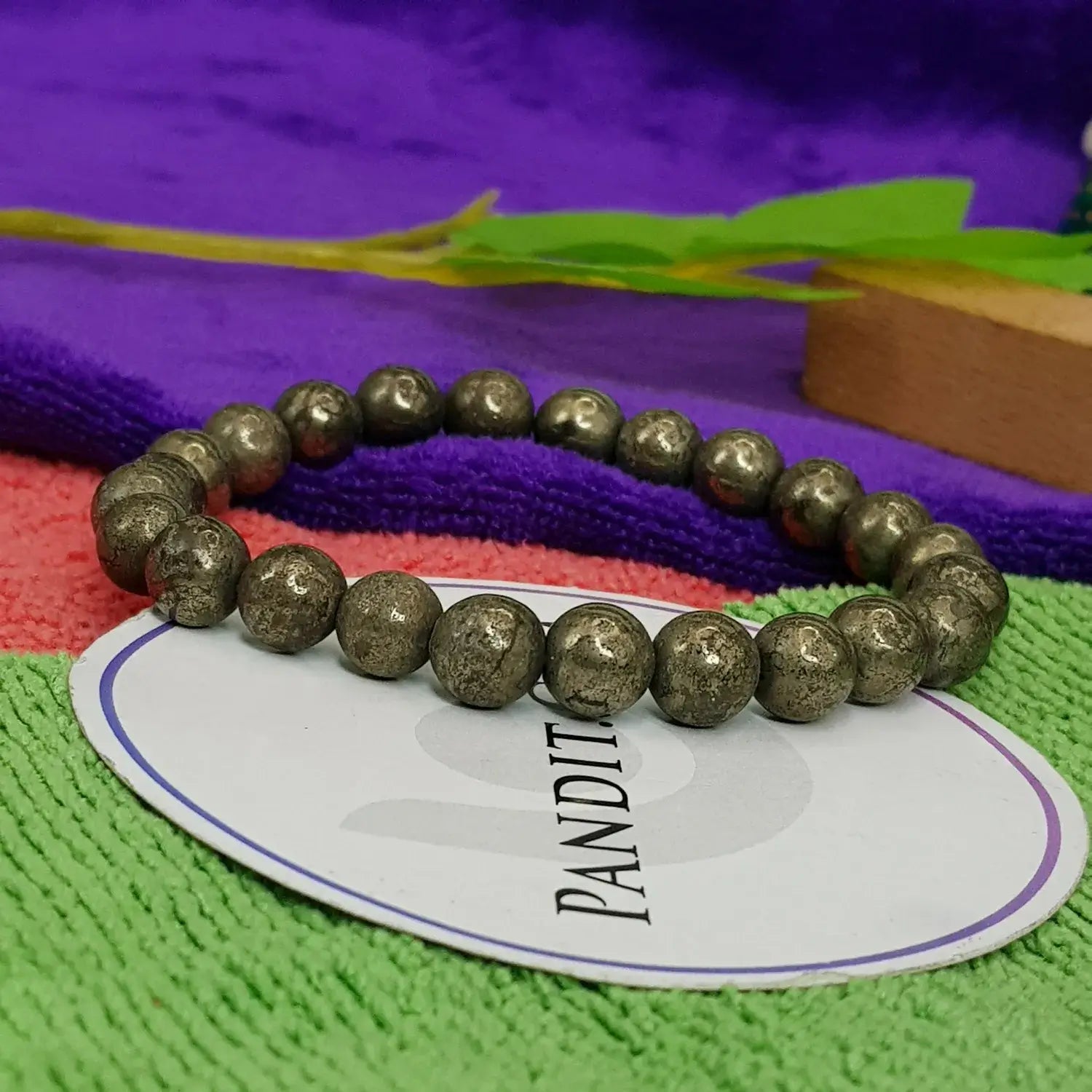
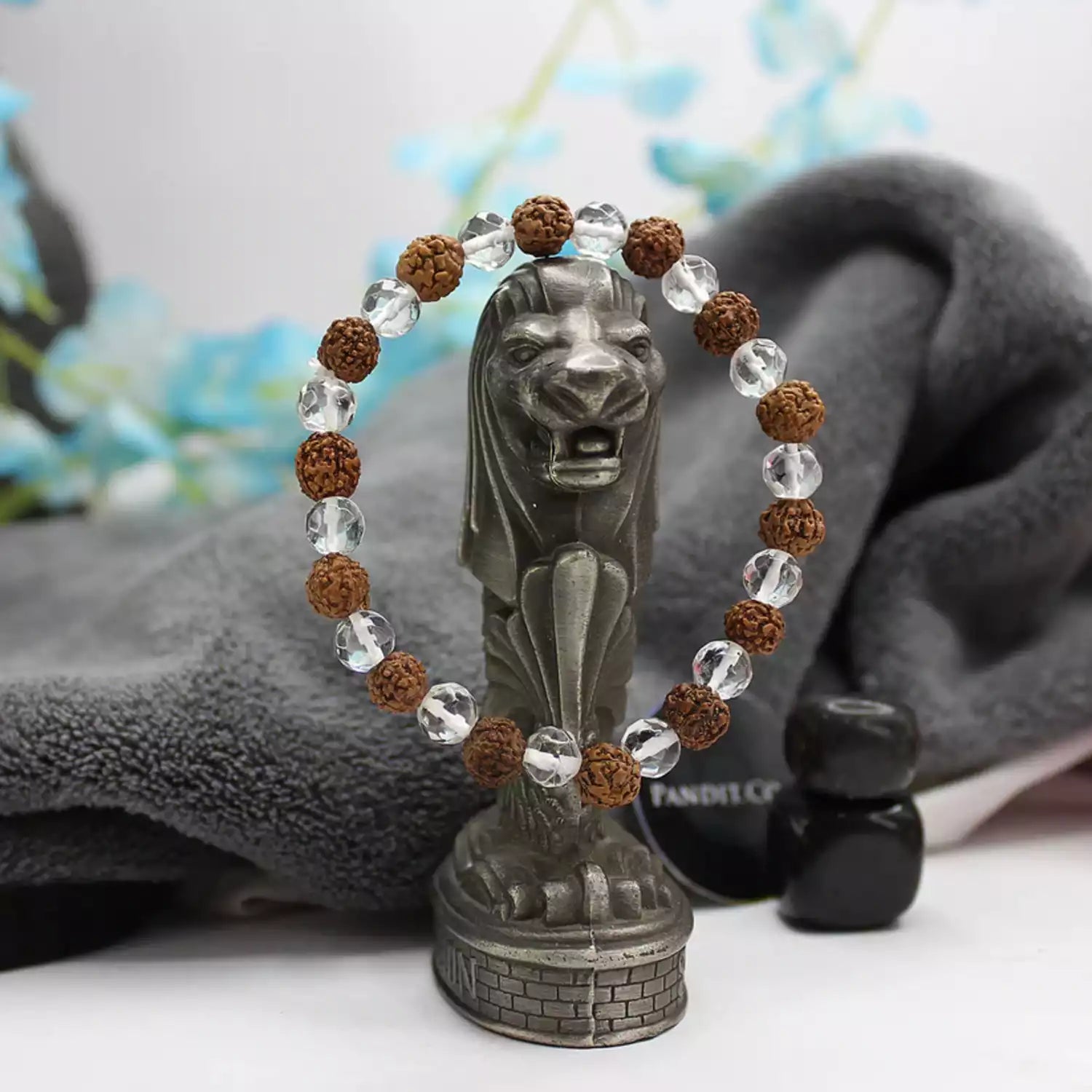
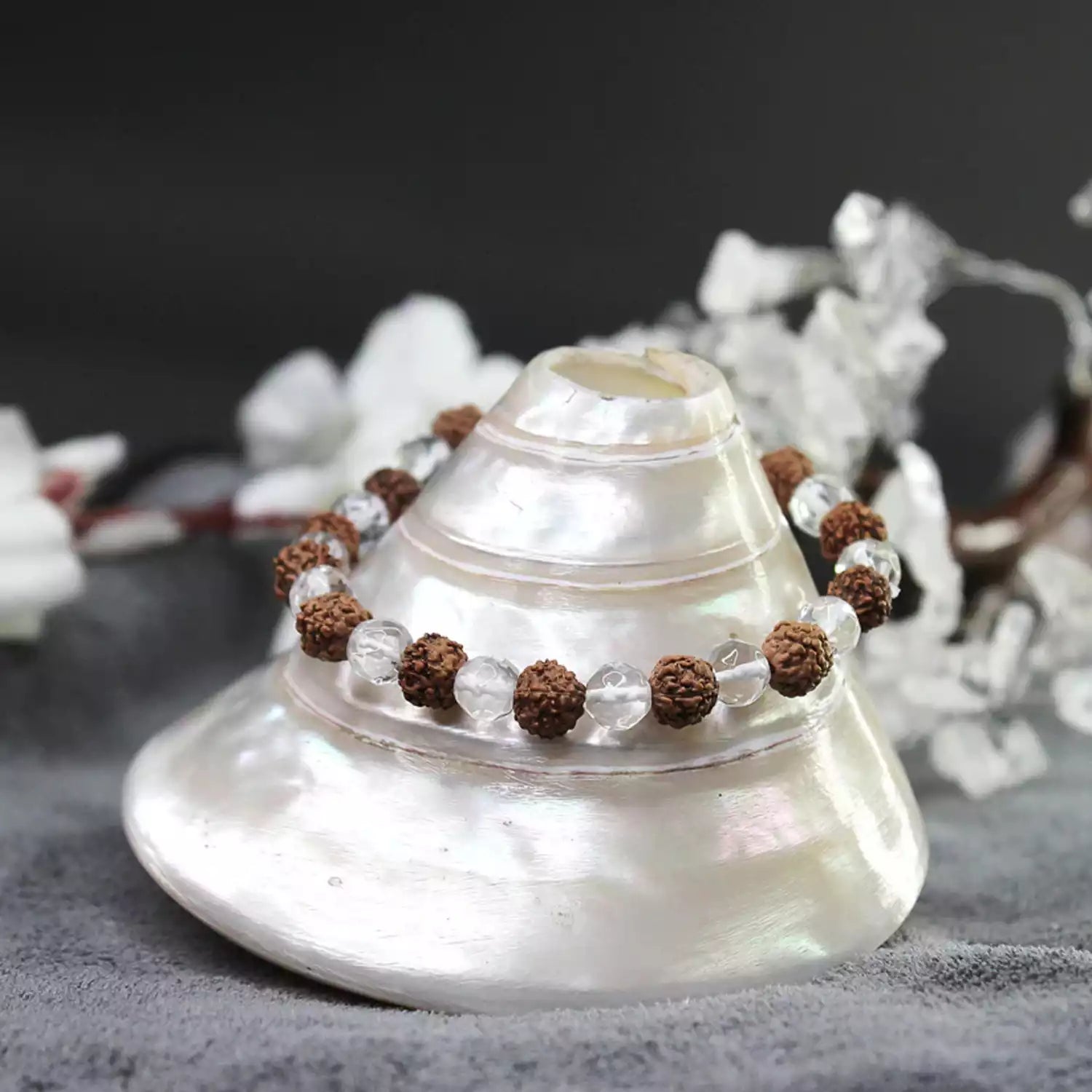
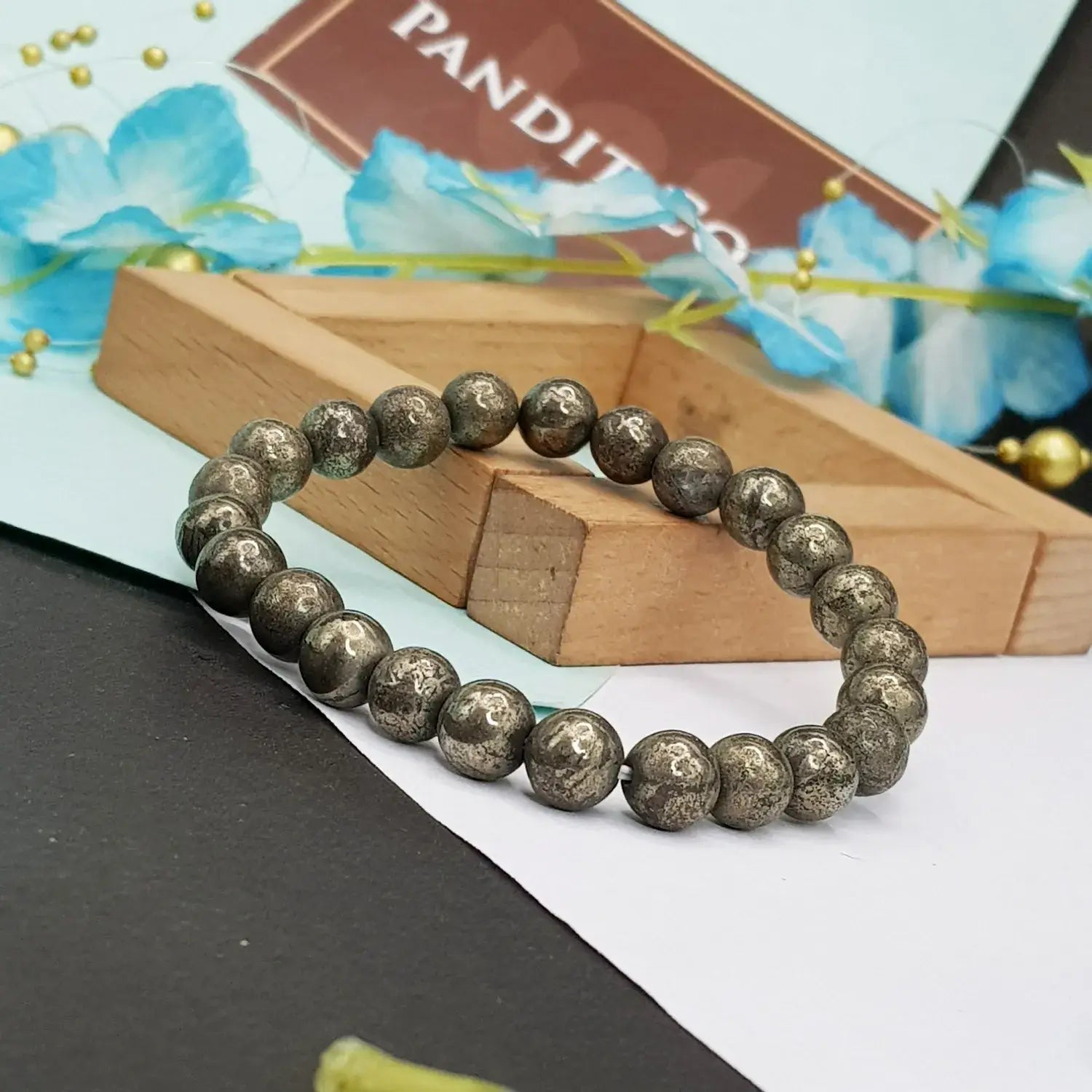
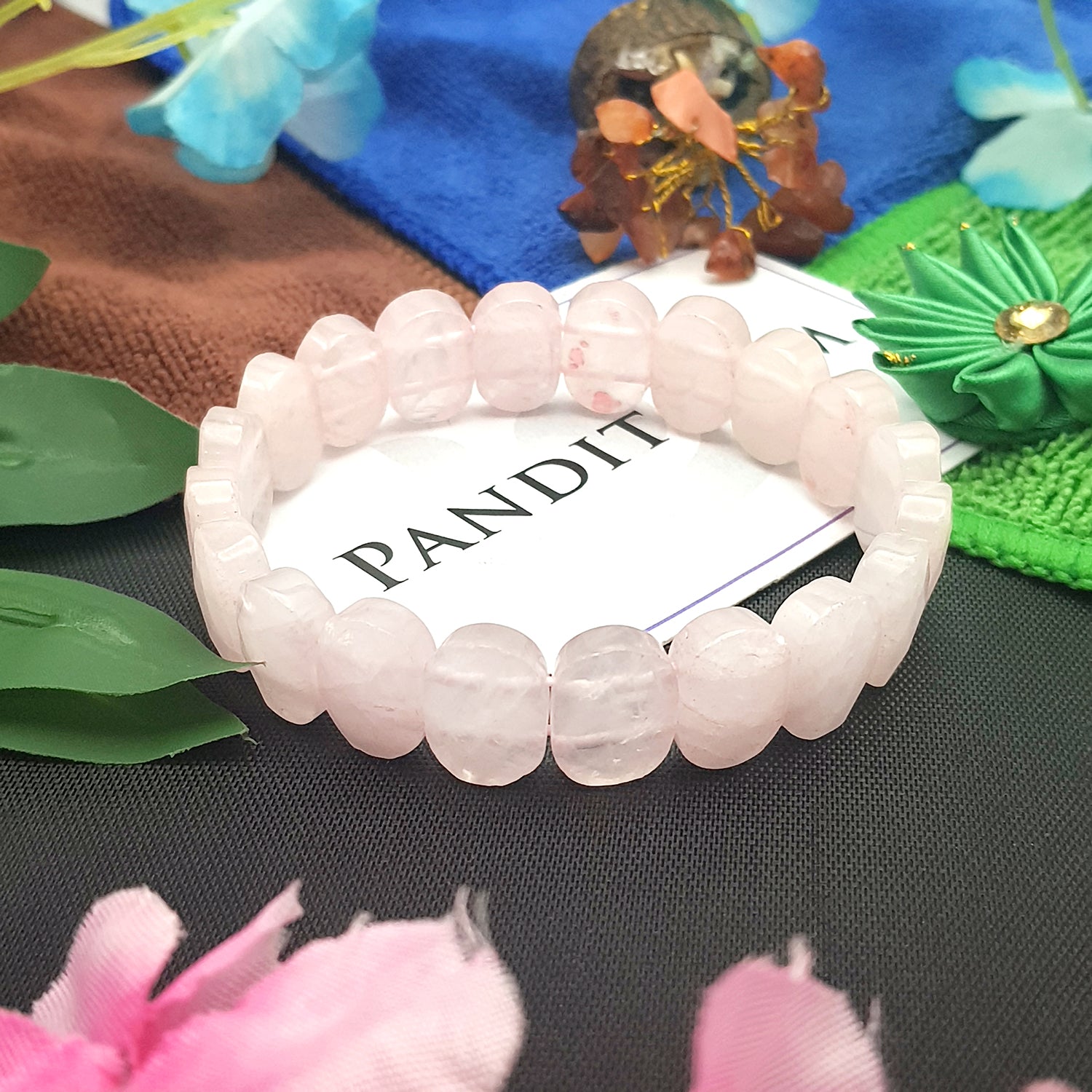
Want to buy this mala, then visit the platform pandit.com and ask for favorable gem or sacred ornament to wear by the Spiritual Mahaguru and Vastu Expert, Pt.Rahul Kaushl.
c. Chappan Bhog Ceremony:
Chappan Bhog is said to be the 56 items that are presented to Lord Krishna. It is said, as per the ancient texts, that Lord Krishna used to take 8 meals per day, and while lifting the Govardhan hill for 7 days, he was not able to take his 8 meals a day, which means missing 56 meals.
Therefore, the lovable devotees of Lord Krishna prepare 56 meals for their beloved deity on this day to honor the sacrifice Lord Krishna made and express their love and devotion towards their beloved God. This ceremony was given the name “Chappan Bhog.”
The Ritual of Raas Leela
Nidhivan, which is the mystical site where Lord Krishna used to perform Ras Leela with Gopis, comes alive on the day of Janamashtami. People visit this sacred spot on this divine day to deepen their spiritual experience.
In addition, Seva Kunj, another site where Lord Krishna used to perform Raas Leela with Radha, is also beautifully decorated on the day of Janamashtami. The place is adorned with lights and flowers, rangolis for a serene retreat for devotees.
During the Leela, in Vrindavan, the young boys or men and even monks perform Raas Leela by immersing themselves in devotion. A classical dance is performed in Manipur known as Manipur Raas, which evolved around Krishna’s playful pastime themes.
Dahi Handi: The Ritual Of Human Spirit & Unity
On Janmashtami, an action-packed ritual is also performed, remembering the mysterious nature of Lord Krishna and his naughty pranks of stealing butter. The ritual is called Dahi Handi, in which the boys or young men (Govindas) form a human pyramid so that one person can reach high above to break the pot hung high up there.
Modern Day Celebrations
Now the Indian culture has not only remained confined to Indian borders but it has extended beyond borders. Such as the people who cannot come to India, the Indian people can even enjoy Janamashtami festivity in the countries they are residing in, such as Canada and the USA. People over there are also ardent devotees of Lord Krishna.
In addition, with the advancement in technology, now the live-streaming of temple rituals or prayers is also done, with which people can enjoy virtual satsangs and celebrations via social channels.
Traditional Snacks & Delicious Sweets Made on Janamashtami
How could a festivity be considered incomplete without delicious food delights in India? The traditional snacks or sweets that are made on Janmashtami are
- Makhan Mishri
- Kheer
- Panchamrut
- Laddoo Varieties
- Khakhras
- Mathura Ka Peda
- Malpua
- Rajgira Poori
- Lassi
- Panjiri
Final Thoughts
So, Janmashtami is all about remembering our beloved Lord Krishna, his naughty mischief, and the sacrifices he made for us. It reminds us of the joy in simplicity, the devotion and peace in the chaos and also the love that transcends all the logic: the eternal love of Radha Krishna.
Therefore, celebrate the Janmashtami with utter devotion every year, as you are not celebrating just our Lord Krishna’s birth but the everlasting dance of love, mischief, and leelas of Krishna ji.
Hare Krishna!!
Do you know that in Bali too, Janamashtami is celebrated by Balinese Hindus performing traditional dances? Want to know more about it? connect us at pandit.com.