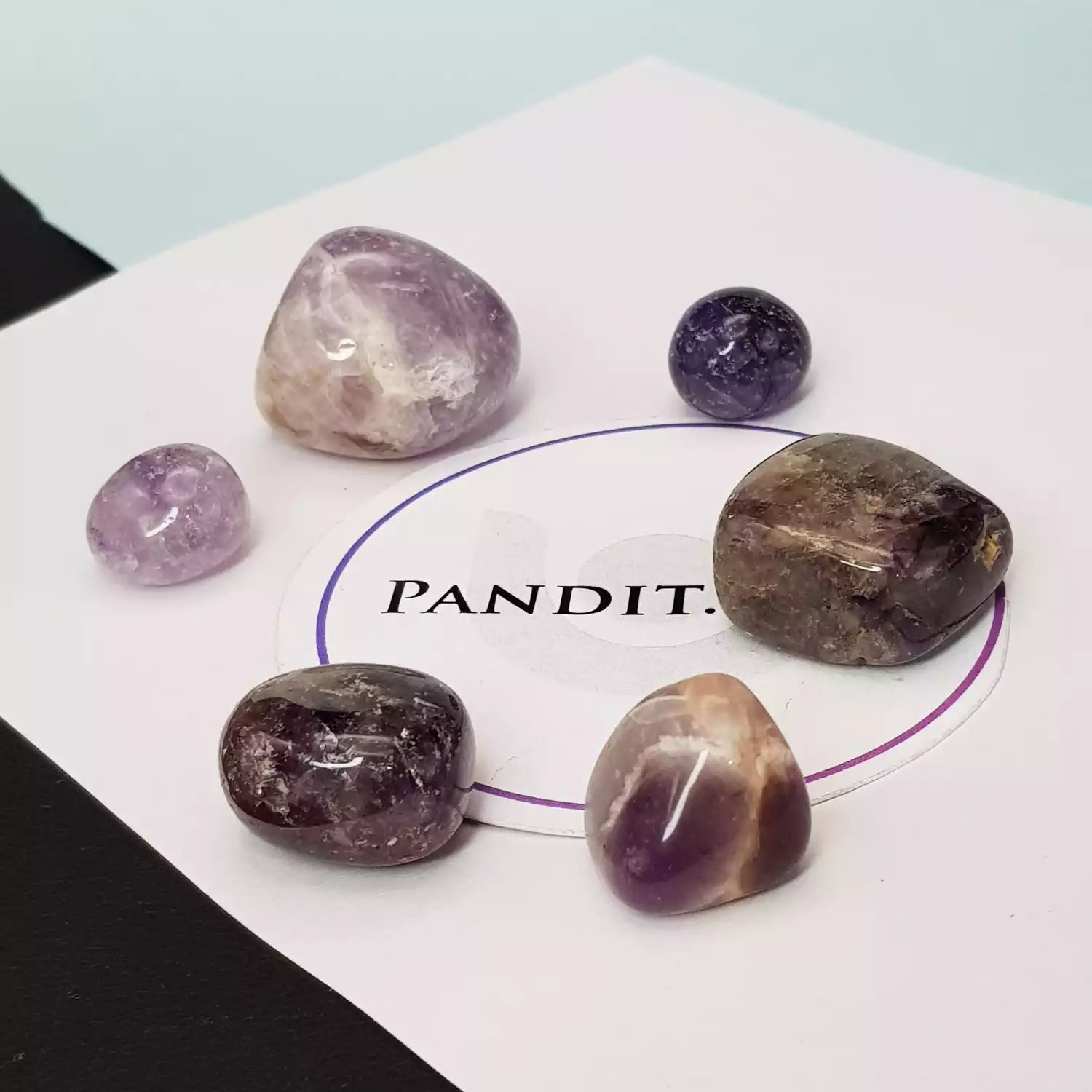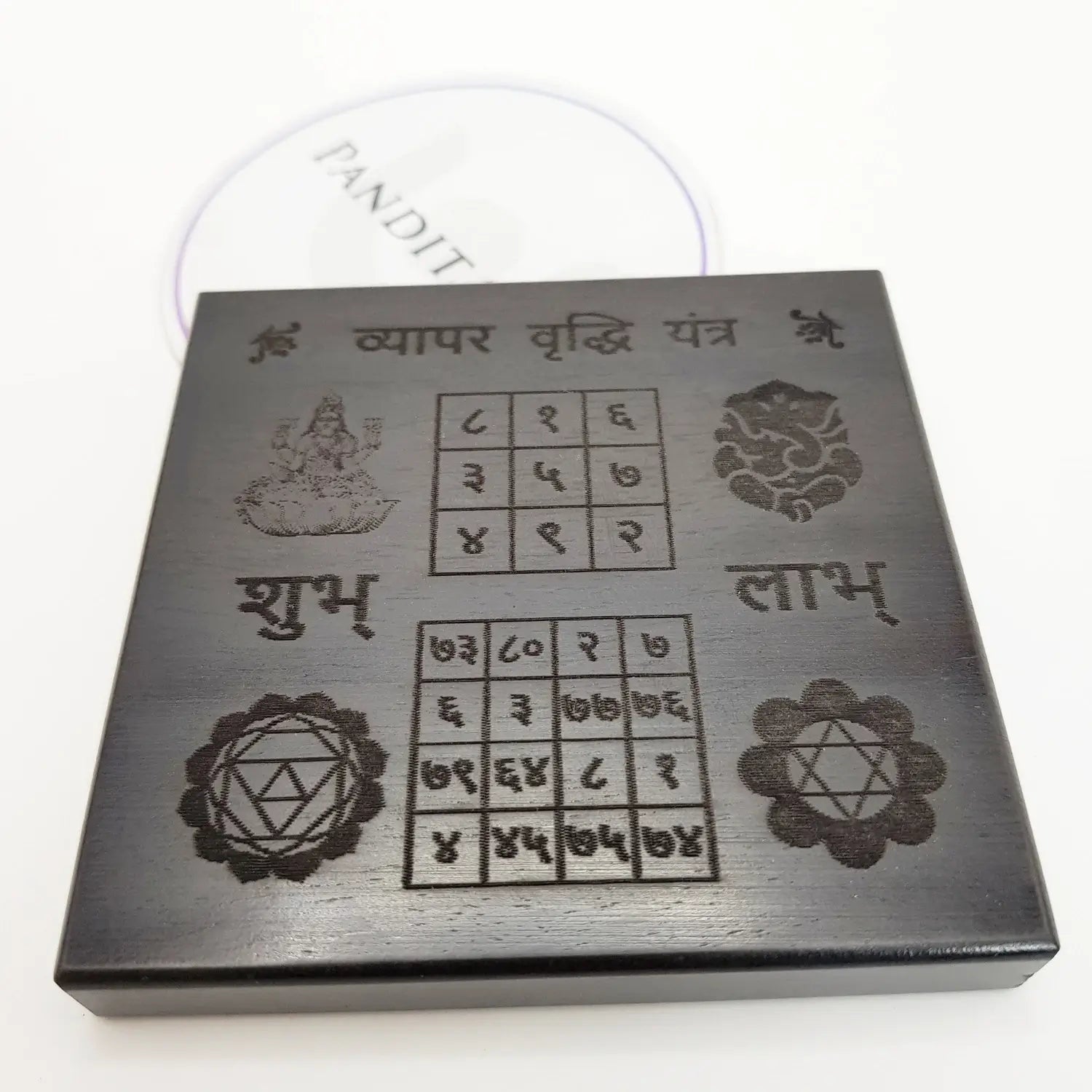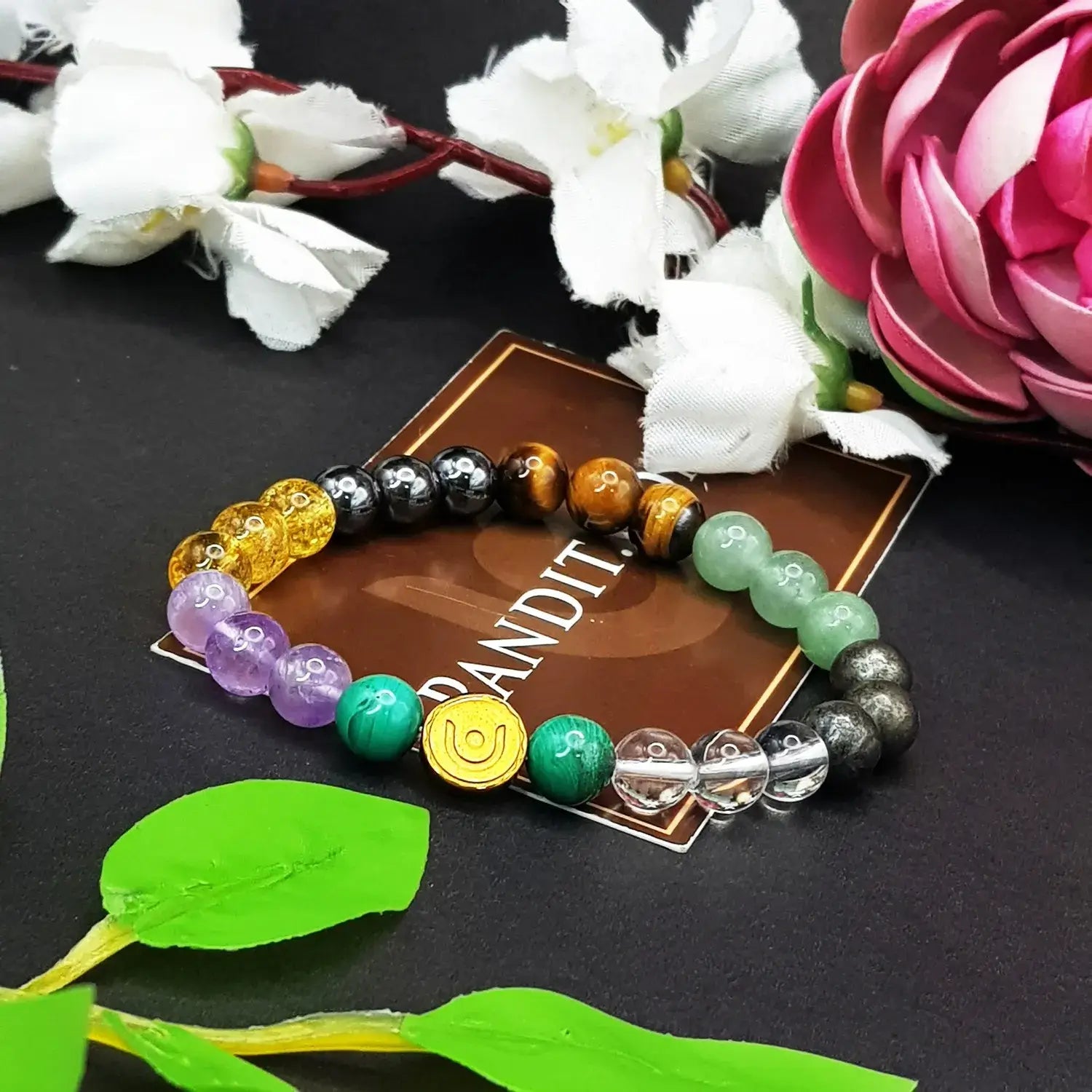


Ganesh Chaturthi, also known as Vinayaka Chaturthi, is celebrated to mark the birth of Lord Ganesha, the remover of obstacles and the giver of wisdom and prosperity. The festival can last for 1, 3, 5, 7, 9, or 11 days, and the duration depends entirely on the devotee’s wish, passion, and ability to serve.
At its heart, Ganesh Chaturthi is all about devotion and love for Ganpati Bappa. Lord Ganesha is believed to bless his devotees in countless ways — from removing difficulties to granting the joy of parenthood. As one popular aarti beautifully describes:
अँधन को आँख देत, कोढ़िन को काया
बाँझन को पुत्र देत, निर्धन को माया
(He gives sight to the blind, health to the ailing, children to the childless, and wealth to the poor.)
Ganesh Chaturthi is not just a festival — it’s a heartfelt welcome to the divine guest who brings joy, prosperity, and blessings into our homes.
Muhurat For Next 6 Years
- 2025 - 26th August, 2025 1: 54 - 27th August 2025 3.44
- 2026 - 14th September 2026 7.06 am - 15 Sept, 2026 7.44
- 2027 - 3 Sept, 2027 2.18 pm - 4 Sept, 2027 12.25
- 2028 - 23rd Aug, 2028 5.09 am - 24th Aug, 2028 1:55 am
- 2029 - 11th Sept, 2029, 6.08 am - 12th Sept, 2029, 2:57 am
- 2030 - 1st Sept, 2030, 12.30 am - 10.37 pm
Which state celebrates Ganesh Chaturthi?
In Maharashtra, Ganesh Chaturthi is more than just a festival — it’s an emotion. The streets come alive for ten whole days, but it wasn’t always this way.
Over a century ago, during British rule, public gatherings were banned. The rulers feared that if people came together, they’d grow united, and unity would be dangerous for their control. But Bal Gangadhar Tilak, a fearless freedom fighter, saw things differently. He knew the power of people standing together, and he refused to let that spirit die.
Through his newspaper Kesari, he inspired hearts and minds. And then, he had an idea — Ganesh Chaturthi. The British wouldn’t dare stop a religious celebration, so Tilak turned it into something much bigger: a public, 10-day festival filled with music, processions, and community gatherings.
What began as an act of resistance became a tradition of joy and unity. Even today, when we celebrate Ganesh Chaturthi in Maharashtra, we’re not just honoring Lord Ganesha — we’re carrying forward Tilak’s vision of togetherness.
What is the moral of Ganesh Chaturthi?
Ganesh Chaturthi reminds us that no obstacle is too great to overcome.
When you feel that a problem is so big you can’t possibly get past it, remember the story of Lord Ganesha. He lost his life — it seemed like everything was over. But Parvati Mata didn’t lose hope. Her unwavering faith moved even the divine, and the impossible became possible.
So, no matter how difficult things seem, hold on to hope. Miracles often happen when you refuse to give up.

What is the story behind Ganesh?
It all started with a curse. A sage had told Parvati Mata that she would never be able to have a child in the natural way.
One day, Parvati was applying haldi and sandalwood paste on her skin. As she washed it off, the golden paste collected in her hands. She looked at it lovingly and, almost instinctively, began shaping it into a little boy. Every curve, every detail was made with a mother’s care. And when she was done, she breathed life into him. That’s how Vinayak came into the world.
Before stepping away for her bath, Parvati told her new son to guard the door and not let anyone in. He took his job seriously. So, when Shiva arrived and tried to enter, Vinayak stood firm and blocked his way. Shiva didn’t know who this boy was, and in a moment of anger, he struck him down — taking his head with a single blow.
When Parvati came back and saw her lifeless son, her sorrow was beyond words. But her grief quickly turned into resolve — she would not accept anything less than bringing him back. She demanded it. Seeing her pain, Shiva sent his followers to search for a head. The first one they found was of a mighty elephant. They brought it back, placed it upon Vinayak’s body, and with divine power, he breathed again — this time as Lord Ganesha, the remover of obstacles and the beloved son of both Parvati and Shiva.
How to do Ganesh Sthapna?
It all begins with choosing your Ganpati idol. Whenever possible, pick an eco-friendly Ganesha — they dissolve easily in water and don’t harm aquatic life. Before welcoming Bappa into your home, make sure the house is clean, especially the place where he will be seated. As you bring Ganpati ji home, keep singing his aarti to fill the atmosphere with joy and devotion.
Many people invite a pandit ji to perform the welcoming rituals, but you can also do it yourself with a clean heart and pure intentions. Once Ganpati ji is placed in the temple, apply chandan and ashtak as a sacred tilak, and perform the aarti. Afterward, tie a mauli (sacred thread) on everyone’s wrist, apply tilak to their foreheads, and distribute prasad — preferably modak, Bappa’s favorite — to everyone present.
How to do Ganesh Visarjan?

Ganesh Visarjan is the heartfelt farewell we give to Bappa after the days of joy, prayers, and blessings he’s spent in our home. On the final day, start by cleaning the mandap and offering fresh flowers, fruits, and his favorite sweets like modak. Perform the last puja and sing Ganpati aarti with full devotion, thanking him for removing obstacles and showering blessings on your family. Gently remove the garlands and decorations from the idol, keeping the mood respectful yet joyful.
If you’re taking Bappa to a river, pond, or sea, carry him in a small procession filled with chants of “Ganpati Bappa Morya, Pudhchya Varshi Lavkar Ya” (Come back soon next year, dear Bappa). For an eco-friendly option, immerse the idol in a large tub or bucket of water at home — once dissolved, the water can be poured under plants as prasad to nature. Before immersion, bow before Bappa, ask for forgiveness for any mistakes during the festival, and invite him to return next year with the same love.
Ganesh Visarjan is never truly a goodbye — it’s a warm “see you soon,” sent off with music, devotion, and gratitude.