

KARWA

Chauth

Who observed the Karwa Chauth for the first time?


Queen Veeravati Story of KarwaChauth

Karwa Chauth Kaise Manayein?
Sargi
It's so much more than just a meal; it’s a plateful of love and blessings. At its heart, Sargi is a beautiful thali of nourishing food that a mother-in-law lovingly prepares for her daughter-in-law, to be eaten before the sun even rises on the day of her fast.
But here's something interesting: where did this lovely tradition even come from?
If you go back to the original tale of Queen Veeravati, whose story is the foundation of Karwa Chauth, there's no mention of Sargi. Her story is about her ultimate penance to bring her husband back to life. After she succeeded, women everywhere were inspired, and the tradition of fasting for their husbands' well-being began to take root.
But traditions aren't set in stone, are they? They breathe and evolve, shaped by the people who practice them. This is where the heart of Punjab adds its beautiful touch to the custom.
Think about it from a mother-in-law's perspective. She sees her daughter-in-law, whom she loves like her own child, preparing to undertake a difficult, day-long fast without a single drop of water. Her natural instinct would be one of care and concern. How can she ensure her daughter-in-law has the strength to get through the day without her health suffering?
And so, this beautiful, practical solution was born from love. The mother-in-law would wake up in the quiet, early hours to prepare a special meal—the Sargi. This wasn't just any food; it was a carefully curated platter of nourishing dishes meant to provide sustained energy and keep her daughter-in-law feeling well throughout the arduous day.
So, when a mother-in-law hands that Sargi thali to her daughter-in-law, she isn't just giving her food. She's saying, "I care about you. I am here for you. Here is my love and strength to help you through this day."


What’s included in Sargi ki Thali?
- 4 Types of Fruits: Apple, Pineapple, Pomegranate & Banana (Make Fruit Salad)
- 4 Types of Dry Fruits: Almonds, Cashews, Raisins, Walnuts (Top them on Salad)
- Sabzi: Gobhi (Cauliflower) ki sabzi
- Paratha or Roti: Made of wheat flour and topped with Ghee
- Curd: With tadka of Jeera and poppy seeds
- Something Sweet: Pheniyan, Meethi Mathi
MOST IMPORTANT: Coconut (It is preferred to have pieces of it, but you can also substitute water with coconut water for added nourishment)
Sargi FAQs:
Should Sargi be Satvik, or can we include onion and garlic?
If you can easily prepare your Sargi without onion and garlic, that is the most ideal and traditional way. But if your mother-in-law has lovingly prepared something that has a little in it, please don't worry. The love and blessings with which the food is made are far more important than the ingredients. The intention is what truly matters!
What is the right time to have Sargi?
The ideal time to sit down and eat your Sargi would be between 4:45 AM and 5:45 AM.
What if I forget to eat Sargi?
Please don't worry if you've forgotten to eat your Sargi; your Karwa Chauth fast is absolutely still valid and your devotion is in no way diminished. The tradition of Sargi is for physical support, but the fast itself is a promise from your heart, and it's your intention (bhavna) that truly matters to the divine. While the day will certainly be more physically challenging, it's important to be extra kind to yourself by conserving your energy, resting as much as you can, and keeping your mind engaged in prayer and the evening rituals. Carry on with your fast and all the traditions of the day, knowing that your love and dedication are what make the fast sacred, not the meal you may have missed.
Is it important to take a bath before Sargi?
Getting up early in the morning and taking a full body bath is usually preferred. Honestly, the common and perfectly acceptable practice that most women follow is to simply wake up, freshen up thoroughly by washing your hands, face, and feet, and then change into a clean set of clothes before eating your Sargi.
You can save your main, festive bath for the afternoon when you're getting ready for the evening puja and katha. So please don't add any stress to your morning; the important thing is to begin your fast feeling clean with a peaceful and prayerful mind.
Should I pray or do anything specific before eating Sargi?
Yes, taking a quiet moment before eating Sargi makes the ritual so much more meaningful. Before you take your first bite, it’s a lovely practice to simply close your eyes, mentally thank your mother-in-law for her love and blessings, and then say a simple, heartfelt prayer.
If you are hindu, then you can chant - ॐ उमामहेश्वराभ्यां नमः (51 times)
If you are Sikh. then you can recite -
ੴ
ਸਤਿ ਨਾਮੁ
ਕਰਤਾ ਪੁਰਖੁ
ਨਿਰਭਉ
ਨਿਰਵੈਰੁ
ਅਕਾਲ ਮੂਰਤਿ
ਅਜੂਨੀ ਸੈਭੰ
ਗੁਰ ਪ੍ਰਸਾਦਿ ॥ (5 Times)
If you are Jain, you might recite the Navkar Mantra.
णमो अरिहंताणं
णमो सिद्धाणं
णमो आयरियाणं
णमो उवज्झायाणं
णमो लोए सव्व साहूणं
एसो पंच णमोक्कारो, सव्व पावप्पणासणो
मंगलाणं च सव्वेसिं, पढमं हवइ मंगलं
If you are Christian, you could say a personal prayer from your heart or recite The Lord's Prayer, asking God to bless your husband and your family.
If you are Muslim, you could make a heartfelt Dua to Allah for your husband's health, success, and a happy life together.
Can I take medications in Sargi owing to deteriorated health?
The true spirit of this fast is to pray for well-being, and that must include your own. Please take your medication with your Sargi without a moment's guilt. Your love is prayer, not hardship.
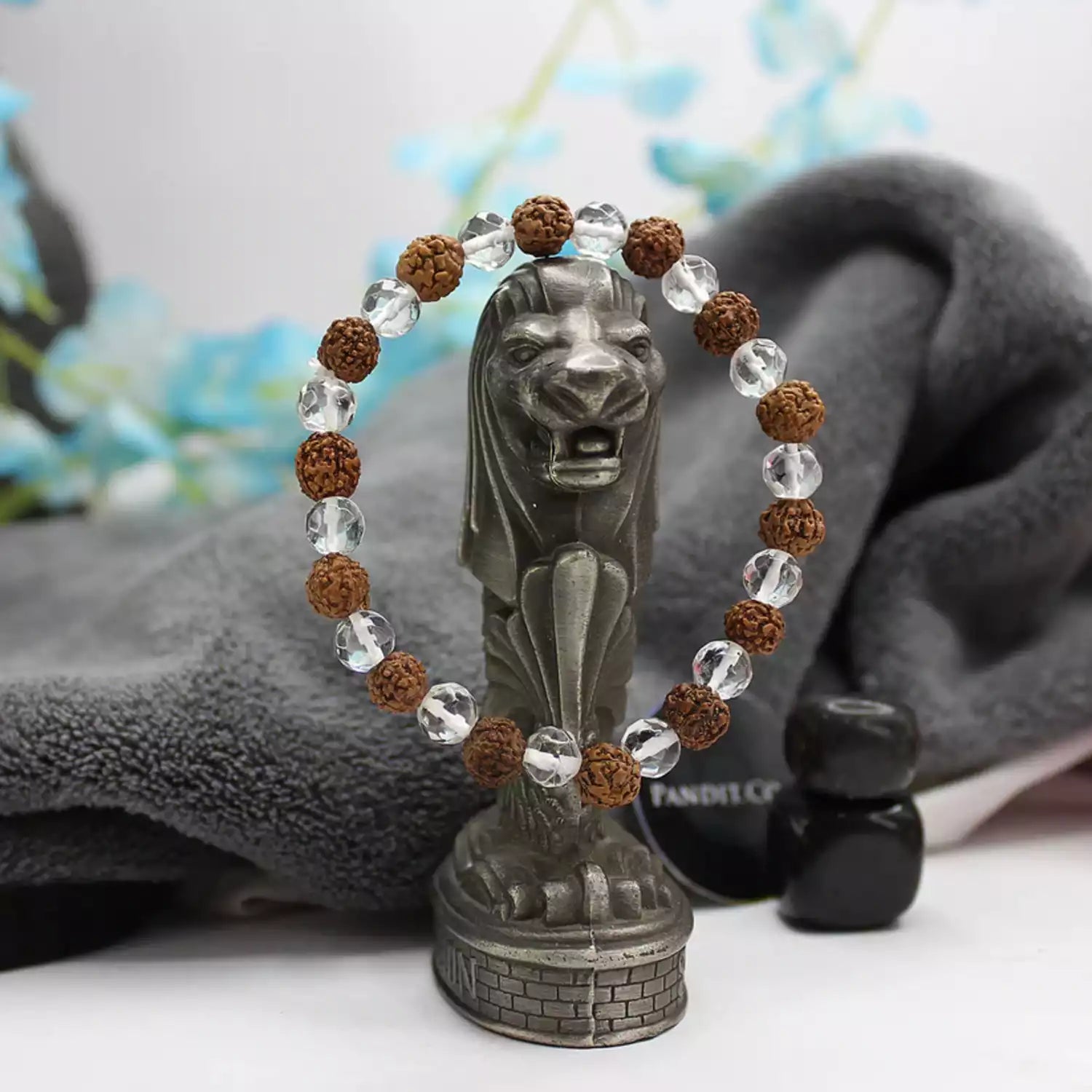
Bless Your Marriage with Sacred Items
Strengthen your bond and celebrate your love with these specially curated items that honor the spirit of Karwa Chauth –

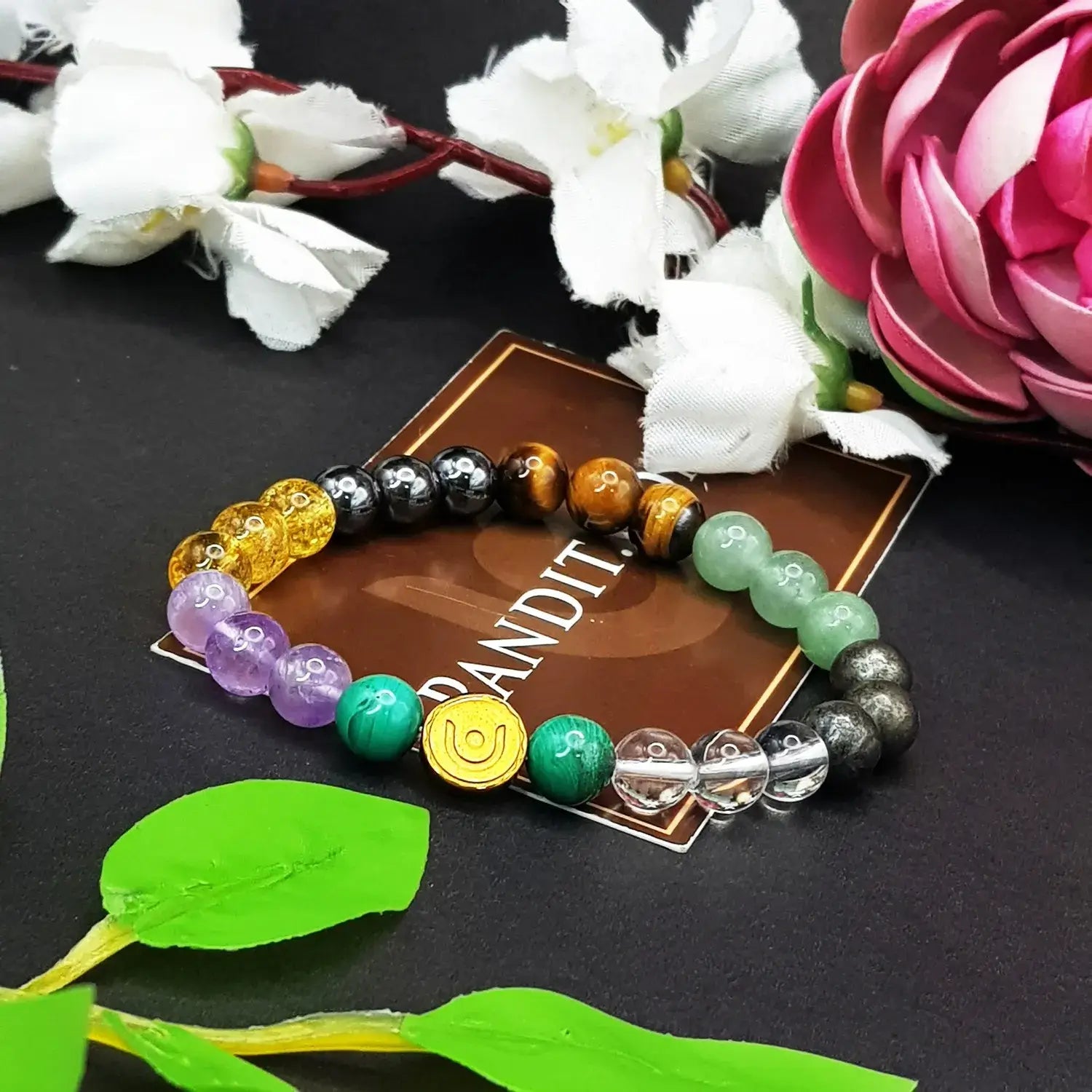
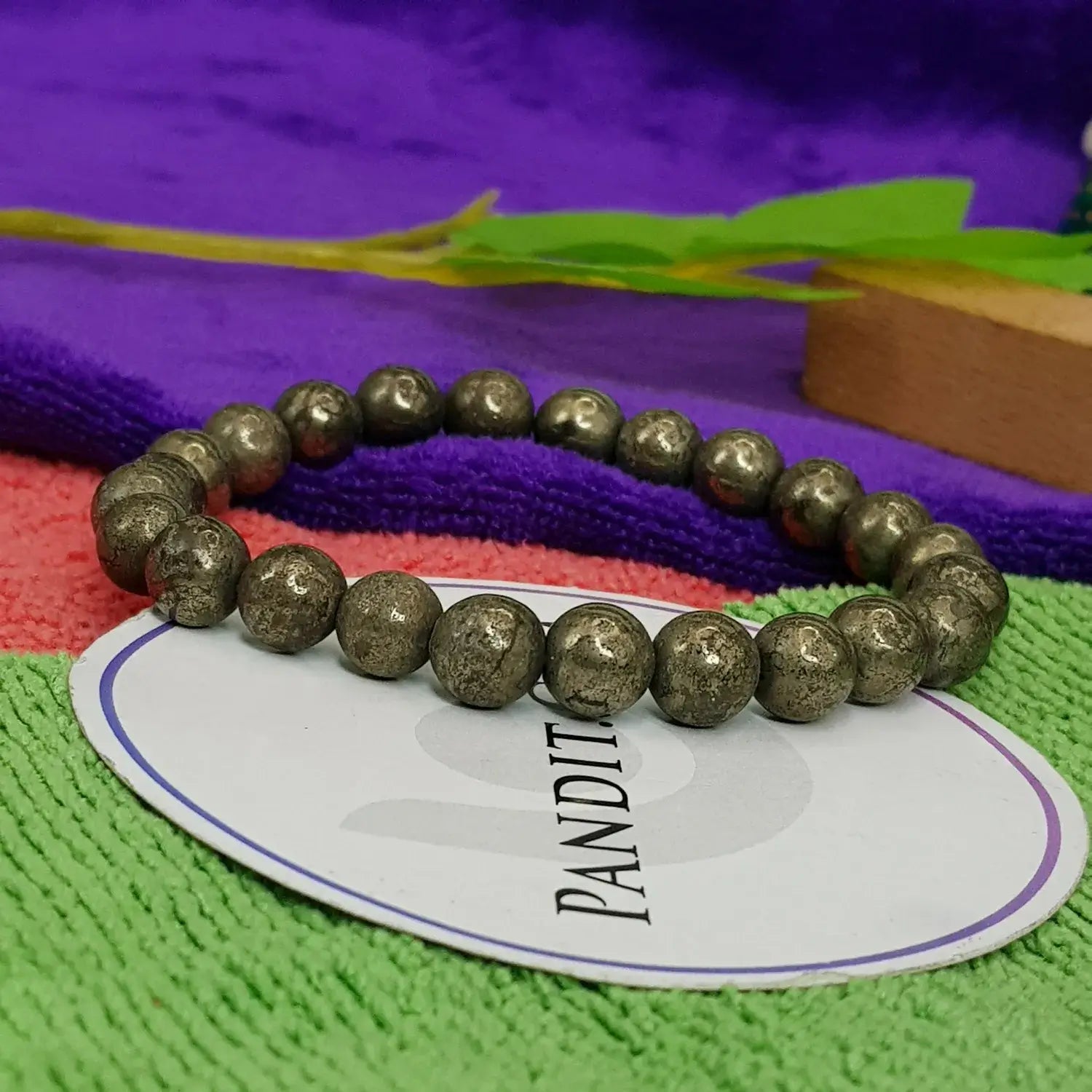
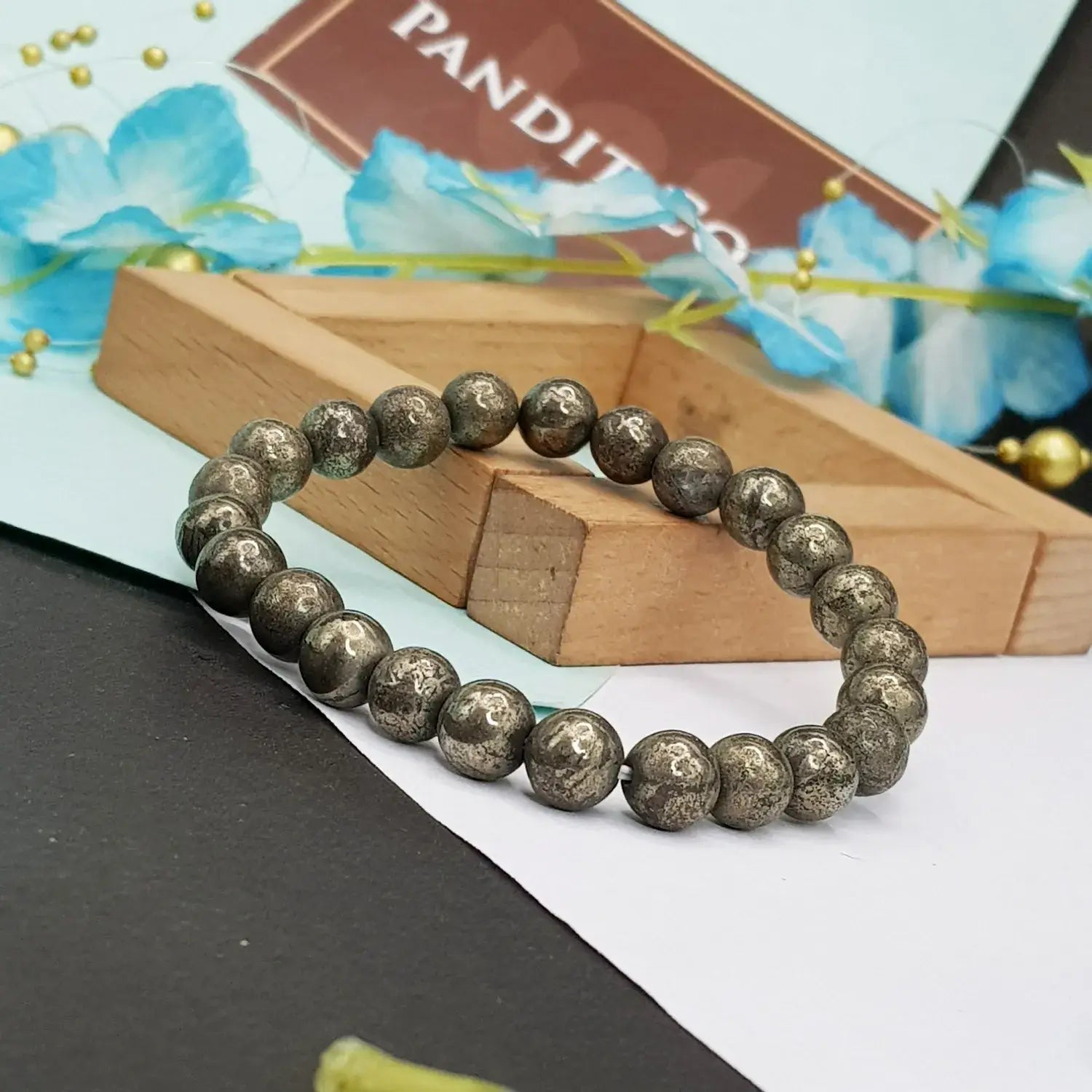
Red Jasper Bracelet
Linked to stability in relationships. You know how a small thing, like a wet towel on the bed, can make you really angry? Especially on Karwa Chauth when you're hungry and tired, a tiny issue can turn into a huge fight. This bracelet is for that exact moment. It’s not magic, it’s just a reminder on your wrist. When you feel yourself about to snap, you can touch it and remember to just pause and take a breath. It helps you stop small problems from becoming big fights.
Buy Now
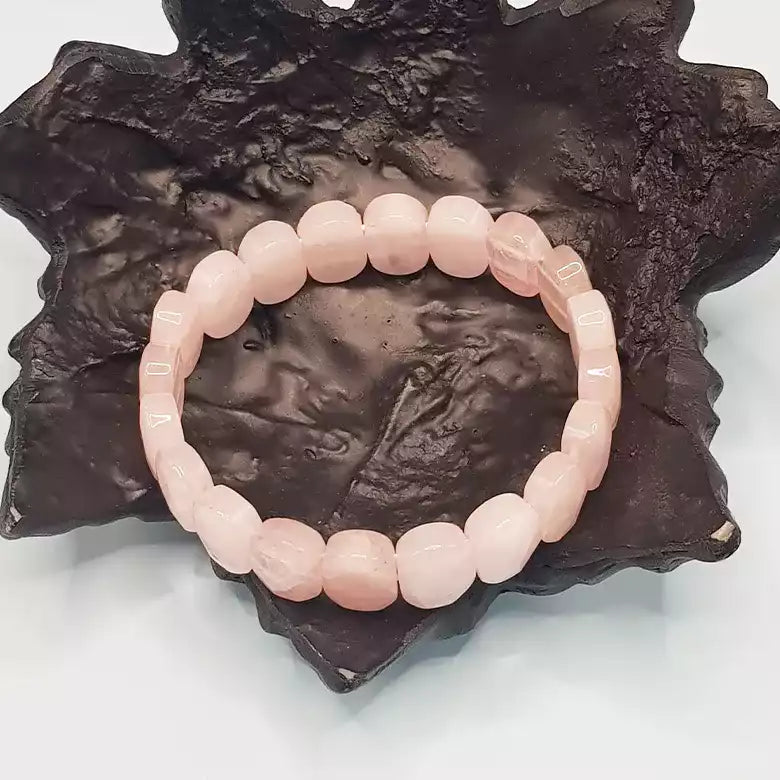
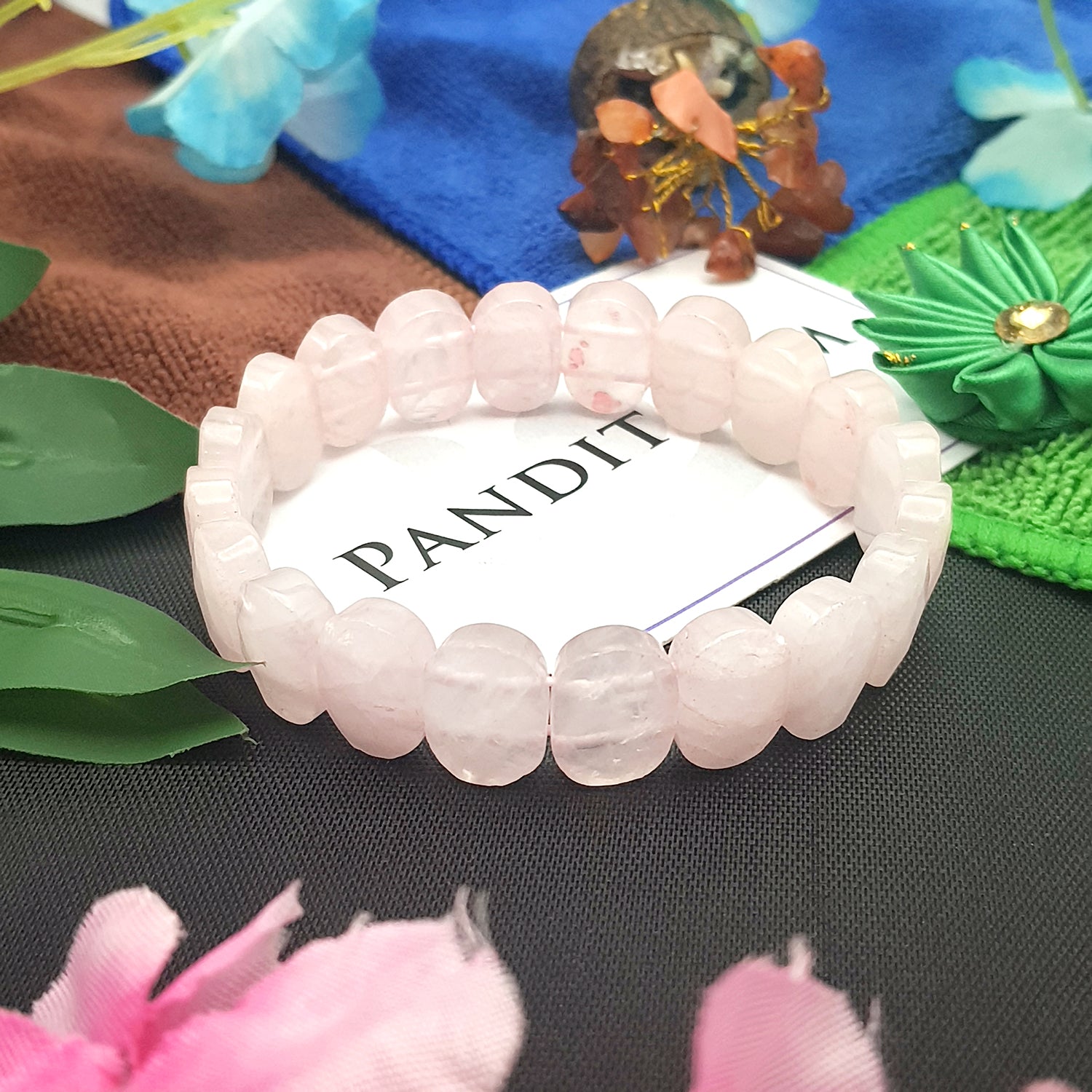
Moonstone (Moonsne) Bracelet
Associated with Chandra Dev (Moon) — the central element of Karwa Chauth. Do you ever feel like you and your husband are just roommates? You sit in the same room on your phones, and only talk about bills and chores. The romance is gone and you miss just talking to each other. This bracelet is a reminder to be a little softer. It’s for when you want to feel connected again, not just like you're managing a house together. It’s a small push to put the phone away and feel like a team again.
Buy Now
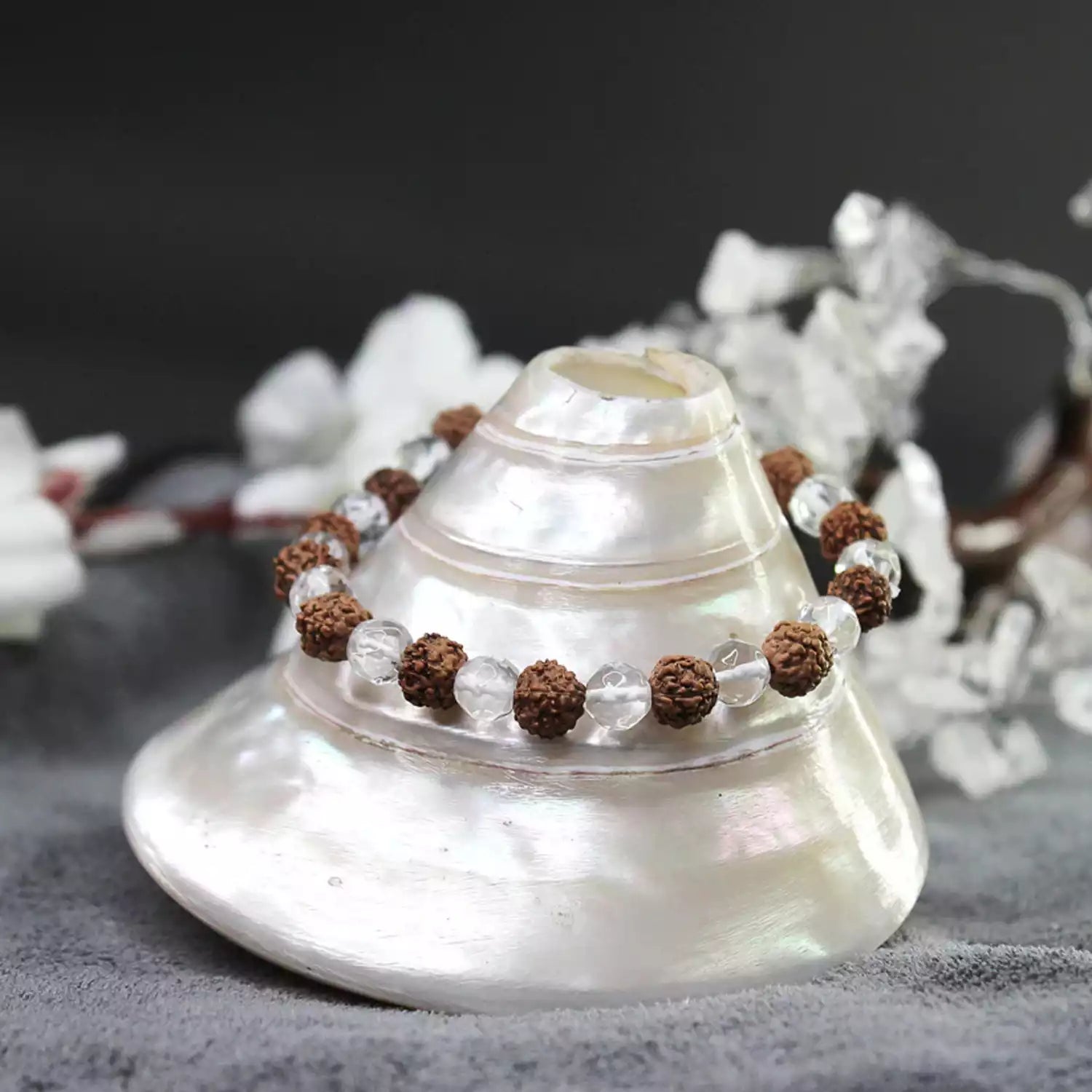
7 Chakra Bracelet
ideal for rituals and fasting meditation during Karwa Chauth. Let's be honest, you're tired. You do everything for the house, the family, and for him. But who is taking care of you? You feel completely drained. This bracelet is a reminder to look after yourself first. You can’t pour from an empty cup. It’s for the woman who is tired of giving all her energy to others and needs to remember that her own peace is important too.
Buy Now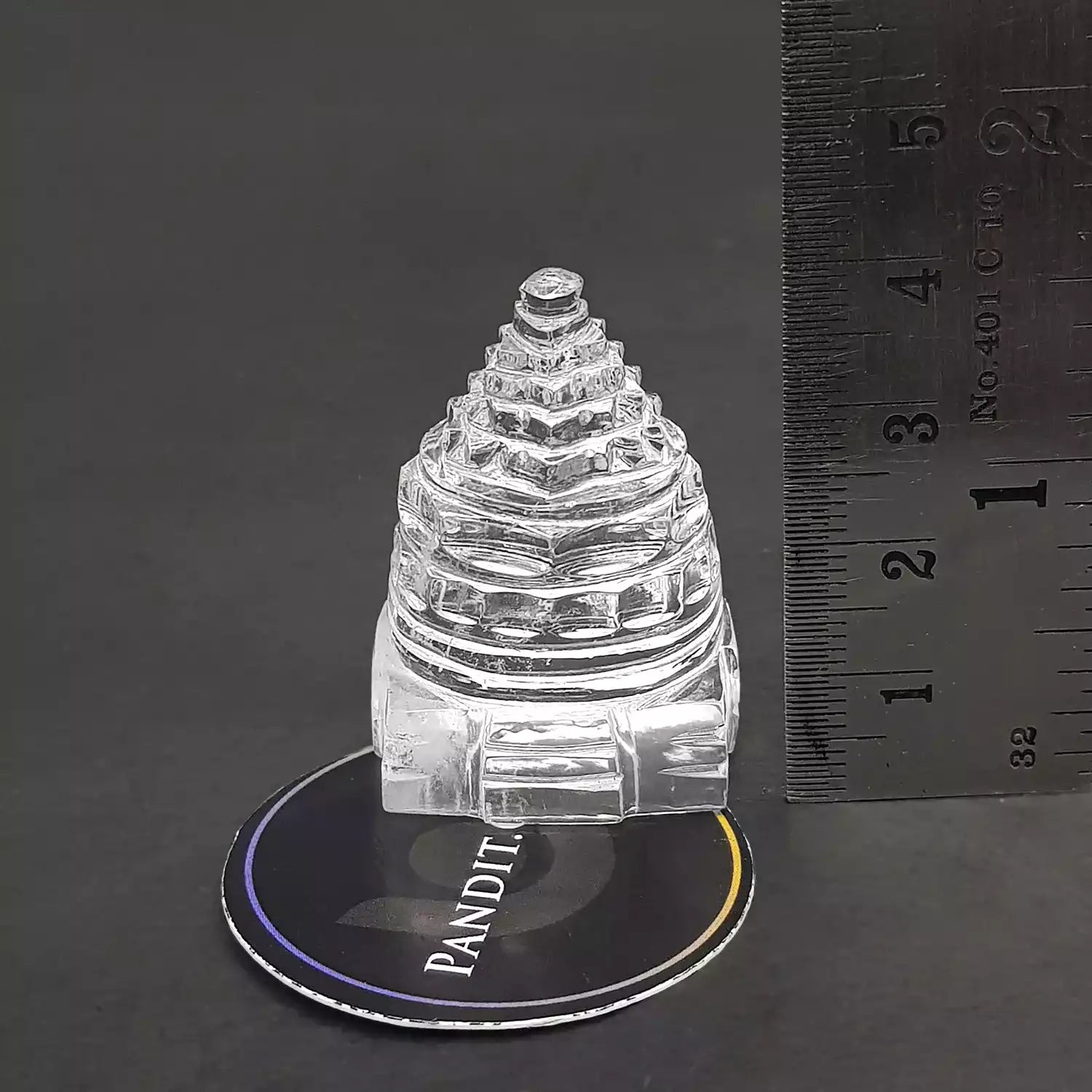
Crystal / Sphatik Shri Yantra
Perfect for worship rituals performed by married women. Even after a fight is over, the house can feel tense and quiet for days. That bad feeling just sticks around, and it feels awful. Putting this Shri Yantra in your pooja is like making a decision to clear the air. It’s a focus for your prayer to get rid of the bad feelings and reset the mood in your home. It's for when you just want things to feel light and peaceful again.
Buy NowSada Suhagan Raho Checklist
Before heading for the Karwa Chauth Katha, women who’ve kept the fast love to get ready in their best — beautiful sarees, glowing faces, and hearts full of devotion. It’s said that when a woman adorns herself this way, she brings good luck and positivity into her husband’s life. But beyond belief, it’s really about celebrating love — that quiet strength, care, and bond that make this day so special.
-

Snan (Bath)
-

Vastra ( Attire)
-

Keshapasharachana (The Hairdo)
-

Sindoor (Vermilion)
-

Maang Tikka (Head Ornament)
-

Bindi (Forehead Dot)
-

Kajal ( Kohl)
-

Karn Phool (Earrings)
-

Nath ( Nose Ring)
-

Haar (Necklace)
-

Baajuband (Armlets)
-

Choodiyan ( Bangles)
-

Angoothi (Rings)
-

Mehndi (Henna)
-

Kamarband (Waistband)
-

Payal & Bichhiya (Anklets & Toe Rings)
FAQs
Bindi kaun se color ke lagani chaiye? (What color bindi should I wear?)
Traditionally, a red or maroon bindi is considered the most auspicious. These colours are the symbol of suhaag.
P.S: While many women now match their bindi to their beautiful outfits, a classic red bindi holds the most significance for the puja.
Are there any color restrictions for clothes (black and white)?
Pt. Rahul Kaushl advises to avoid wearing pure black or pure white clothing for the puja. They are considered inauspicious for celebratory rituals, while white is associated with mourning or asceticism. The day is a celebration of your marriage, so vibrant, bridal colours like red, maroon, pink, orange, yellow, and gold are highly encouraged!
Agr vrt mai health khrab hojaye to pani pi skte hai? (If I fall ill during the fast, can I drink water?)
Yes, absolutely, without a doubt. Your health and life are the most precious things. The fast is a prayer for well-being, not a test to endure harm. If at any point you feel dizzy, nauseous, or extremely unwell, you must break your fast immediately with water or juice. God understands the intention in your heart, and your well-being comes first.
Katha krke tea milk ya pani pi skte hai? (After the Katha, can I drink tea, milk, or water?)
Traditionally, no — the Karwa Chauth fast is a nirjala vrat, which means no food and no water all day. The fast is broken only after seeing the moon and offering prayers to it. The Katha (storytelling ritual) is an important part of the day, but it doesn’t mean you can start eating after that. You still have to wait until moonrise.
That said, every household has its own way of doing things. When we spoke to several women who keep the fast, many told us that whatever you do the first time tends to become your tradition for life.
For example, one woman shared:
“When I kept my first Karwa Chauth, my mother-in-law forgot to give me milk after the Katha. So now, every year, I continue the same way — no milk, nothing after the Katha.”
It’s all about personal belief and willpower. Some women make the fast extra strict — they skip even the sargi (the early morning meal) and stay completely nirjala all day. Others prefer to have a hearty sargi in the morning, and a few even drink milk or eat fruits after the Katha to keep their energy up.
According to Pt. Rahul Kaushl, it’s ideal to keep the fast nirjala if you can. He recommends eating a balanced sargi — just enough to sustain your body, not stuffing yourself for the whole day. He also says it’s best to avoid consuming anything after the Katha. But if you’re genuinely feeling weak or dizzy, it’s okay to have something light. The goal is to dedicate the day to your husband — not to punish your body or test your hunger limits.
In the end, it’s really about faith, love, and intention. Whether you choose to follow every rule to the letter or make small adjustments for your health, what matters most is the devotion behind your fast.
Why is it said that no cutting or sewing should be done on the day of vrat?
Here is the ancient belief behind this tradition, as narrated in folklore:
The story tells of a devoted wife who was observing the Karwa Chauth fast with full dedication. Her husband was a trader and had gone to a faraway city for business. To pass the long hours of the day while waiting for the moon, the woman decided to do some sewing and started stitching clothes for her husband.
As she worked, she accidentally pricked her finger with the needle (sui).
At that very same moment, in the distant city, her husband was suddenly pierced by a sharp thorn (shool) or, in some versions of the story, a small sword, and fell gravely ill, close to death.
When the news of her husband's condition reached the wife, she was heartbroken and immediately realized the connection. In her grief, she prayed fervently to Goddess Parvati (Chauth Mata). The Goddess appeared and explained the profound symbolic link between the husband and wife on this sacred day. She revealed that the wife's act of pricking herself with a needle had manifested as a much larger wound on her husband's body.
The devoted wife begged for forgiveness and vowed that she would never again touch a needle, scissors, or any sharp object on the day of Karwa Chauth. Moved by her piety and repentance, the Goddess granted her wish, and her husband was miraculously healed and returned home safely.
On a practical level, these restrictions also encourage the fasting woman to take a complete day of rest from chores and focus her mind on prayer and devotion.
Can a woman spend her time sleeping on the day of the fast?
The real purpose of fasting isn’t just to stay hungry or thirsty — it’s to quiet the mind and spend the day in prayer, gratitude, and reflection. Sleeping through the whole day kind of takes away from that, doesn’t it?
But at the same time, the nirjala fast is tough — it tests your strength in every way. So taking a short nap to conserve energy isn’t wrong at all; it’s actually wise. Just try to find that balance — rest your body when it needs it, but keep your heart and thoughts connected to the divine.
When you are going to Mandir, what should you have in your thali?
When you’re going to the mandir for Karwa Chauth, make sure to carry your pooja thali with all the essentials. It’s said that each thing you take along holds a special meaning and adds to the purity of your prayers.
Here’s what you should have in your thali:
Ganna (sugarcane)
Fruits
Atta
Kachi Lassi
Diya (made of atta)
Mathiya (big-sized)
Once you reach the mandir, offer everything with a pure heart.
When you return home, the pujari will give you some rice (akshat). Don’t forget to put that rice in your Karwa when you come back — it’s a small but beautiful gesture that’s believed to bring blessings and positivity into your home.
If a woman is on her menstrual cycle, should she observe the fast?
This is a personal decision, but here is the traditional guidance. A woman on her period can absolutely observe the fast.
What is the significance of Thali Exchanging on Karwa Chauth?
The custom of exchanging thalis doesn’t come from one specific story — it’s something that grew naturally over time, out of love and togetherness. In the old days, it probably began as a simple way for newly married women, who were often far from home, to build a bond with other women in their community. It gave them a sense of belonging — a little circle of support, laughter, and strength. Over the years, that small gesture turned into something deeply spiritual. When women exchange thalis today, they’re not just passing plates — they’re sharing blessings, love, and good fortune (saubhagya) with each other. It’s a beautiful reminder that even though the fast is personal, the journey is shared — and through unity, every prayer feels a little more powerful.
Which song is sung when you are exchanging thalis?
Veero Kudiye Karwda,
Sarv Suhagan Karwada,
Aye Katti Naa Teri Naa,
Kumbh Chrakhra Feri Naa,
Gwan Pair payeen Naa,
Sui Cha Dhaga Payi Naa,
Ruthda maniyen Naa,
Suthra Jagayeen Naa,
Bhaine Pyari Veera,
Chan Chadde te Pani Peena,
Lay Veero Kuriye Karwara,
Lay Sarv Suhagan Karwara.
करवा चौथ पूजा का शुभ मुहूर्त: शाम 05:46 से 07:02 बजे तक
॥ करवा चौथ व्रत कथा ॥
प्राचीन काल की बात है, वीरावती नाम की एक पतिव्रता स्त्री थी। वह अपने सात भाईयों की अकेली और लाडली बहन थी। उसका विवाह एक राजा से हुआ था। जब वीरावती ने शादी के बाद अपना पहला करवा चौथ का व्रत अपने मायके में रखा, तो उसने पूरे दिन निर्जला व्रत का पालन किया।
शाम होते-होते वह भूख और प्यास से व्याकुल हो उठी और बेहोश हो गई। अपनी प्यारी बहन की यह हालत उसके भाईयों से देखी नहीं गई। वे जानते थे कि वीरावती चंद्रोदय के बाद ही अपना व्रत खोलेगी, लेकिन चंद्रमा के निकलने में अभी समय था।
इसलिए, अपनी बहन की पीड़ा को दूर करने के लिए, भाईयों ने एक उपाय सोचा। एक भाई दूर एक पीपल के पेड़ पर चढ़ गया और एक दीपक जलाकर उसे छलनी (छन्नी) से ढक दिया, ताकि वह दूर से ऐसा लगे जैसे आकाश में चाँद निकल आया है। बाकी भाईयों ने आकर वीरावती से कहा, "बहन, देखो चाँद निकल आया है। अब तुम अर्घ्य देकर अपना व्रत खोल सकती हो।"
वीरावती ने उस नकली चाँद को असली समझकर अर्घ्य दिया और अपना व्रत खोल लिया। जैसे ही उसने भोजन का पहला टुकड़ा मुँह में डाला, उसे अपने पति के बीमार होने का समाचार मिला। वह तुरंत अपने ससुराल के लिए निकल पड़ी। रास्ते में उसे भगवान शिव और माता पार्वती मिले।
माता पार्वती ने वीरावती को बताया कि उसके भाईयों ने छल से उसका व्रत तुड़वा दिया है, जिसके कारण उसके पति की यह दशा हुई है। वीरावती अपनी गलती पर बहुत पछताई और माता पार्वती से क्षमा याचना करते हुए अपने पति के जीवन की रक्षा के लिए प्रार्थना की।
उसकी भक्ति और पश्चाताप को देखकर माता पार्वती द्रवित हो गईं। उन्होंने वीरावती को उपाय बताया और कहा, "तुम पुनः पूरी श्रद्धा और भक्ति के साथ करवा चौथ का व्रत करो। विधि-विधान से पूजा करके जब तुम चंद्रोदय पर अर्घ्य दोगी, तो तुम्हारे पति पुनः स्वस्थ हो जाएंगे।"
वीरावती ने माता पार्वती के कहे अनुसार पूरी श्रद्धा और कठोर नियमों के साथ करवा चौथ का व्रत रखा। उसने पूरे दिन अन्न-जल का त्याग किया और शाम को भगवान शिव, माता पार्वती और श्री गणेश की पूजा की। रात में जब सच्चा चाँद निकला, तब उसने चंद्र को अर्घ्य दिया और अपने पति के जीवन की कामना की। उसकी सच्ची भक्ति और श्रद्धा के प्रभाव से उसके पति तुरंत स्वस्थ हो गए और उसे पुनः प्राप्त हो गए।
माना जाता है कि तभी से यह परंपरा चली आ रही है कि सुहागिन स्त्रियाँ अपने पति की लंबी आयु और सुख-समृद्धि के लिए करवा चौथ का निर्जला व्रत रखती हैं और चंद्र दर्शन के बाद ही व्रत का पारण करती हैं।
समापन प्रार्थना: हे करवा माता, जैसे आपने वीरावती पर अपनी कृपा की, वैसे ही इस कथा को कहने, सुनने और व्रत रखने वाली सभी सुहागिनों पर अपनी कृपा बनाए रखना और उनके पतियों को दीर्घायु प्रदान करना।
Frequently Asked Questions
What if I am alone and can’t do a group pooja?
If you’re doing the Karwa Chauth puja alone, don’t worry. Just light a diya in front of Lord Shiva and Goddess Parvati’s picture, offer your puja items, and read or listen to the Karwa Chauth katha.
Instead of passing the thali around, simply rotate your own thali clockwise seven times while praying for your husband’s long life.
Do I have to be the one to read the Katha, or is it okay if I just listen?
It's absolutely okay to just listen. In fact, that’s how it's traditionally done in most homes.
Think of it this way – the main purpose is to really hear the story and connect with its beautiful message. In most family gatherings for the puja, you'll see one older aunty or grandma telling the story while everyone else listens with full attention. There's actually a lovely concept in our culture called Shravan Bhakti, which means showing your devotion simply by listening with your heart. So, you're not taking a shortcut at all; you're participating in a very powerful and traditional way. If you're doing the puja by yourself, putting on a good audio or video of the Katha is a wonderful way to do it.
So, no need to stress about narrating. Just find a comfy spot, listen with your whole heart, and you're all set!
Why do we have to hold rice or wheat in our hands the whole time?
This is one of my favorite parts of the ritual because it's so meaningful! Holding those little grains is like holding a little piece of a prayer. It’s not just a random custom; it actually does a few things at once:
First, think of the grains as your personal "witness". As you listen to the story and make your prayer for your husband, you're holding them as a symbol of your vow. It’s like saying, "I am here, fully present in this moment, making this promise."
Second, in our pujas, unbroken rice is called Akshat, and it’s considered a very pure and complete offering. By holding it, you're basically charging it with all the good energy and devotion from the story. Later, when you offer these energized grains to God, you're giving a very special and personal offering.
I've heard a few different stories for Karwa Chauth. Which one is the right one?
The most famous one you'll hear, especially in North India, is the story of Queen Veeravati and her seven brothers. But you might also hear about the legendary Savitri, who cleverly saved her husband Satyavan from the God of Death, or even a story connected to Draupadi from the Mahabharata.
So, which one is the "right" one? Pt. Rahul Kaushl replies: the one your family follows.
Occult master, Rahul Kaushl says, “There isn't one single correct story that everyone has to use. It can be taken as different family recipes for a festival dish. They might have slightly different ingredients, but they are all made with the same love and for the same celebration. What’s amazing is that all these stories, no matter the characters, share the exact same beautiful message: they celebrate the deep love, faith, and strength of a wife.
Karwa Chauth pe Chand ka Intezar
The moon on Karwa Chauth always loves to make a grand entry — it shows up late, almost as if it’s teasing everyone!
While you wait, you can make the time enjoyable. Some ladies play fun games or chat with friends, while others keep busy preparing dinner or setting up the thali.
No matter how you spend your time, waiting for the moon — with excitement and love — is what makes Karwa Chauth so special.
How to prepare the pooja thali before sighting the moon?
Your pooja thali must include all of the following:
The Karwa
A Lit Diya
The Chhalni (Sieve)
Sweets
Dry Fruits & Fruits
Roli (Kumkum), Akshat (uncooked rice), and an Incense Stick.
A small piece of a saree or cloth to offer to the mother-in-law.
Why must I look at the moon through a sieve? Can't I just look at it directly?
The sieve, with its tiny holes, is believed to filter the moon's powerful rays. It’s a symbolic way of saying, "I only want to receive the purest, most gentle, and auspicious blessings." It's believed to ward off any negativity or the evil eye (buri nazar), ensuring that only pure goodness reaches you.
After a day of patient waiting, the act of slowly revealing the moon through a sieve makes the moment more special. It’s that final, beautiful veil before the moment you’ve been waiting for. It turns a simple sighting into a profound ceremony.
What is the significance of looking at my husband's face through the same sieve after seeing the moon?
This is the second, and equally beautiful, part of the same symbolic act.
Once you have looked at the moon through the sieve, that sieve is now considered "charged" with the moon's divine, filtered blessings.
When you immediately lower it to look at your husband's face, you are symbolically extending that divine filter over him. You are performing a silent, visual prayer that says:
"Just as this sieve filtered out all negativity from the moon's light, may it also filter out all hardships, sorrows, and obstacles from your life. May only happiness, health, and prosperity touch you."
It is a beautiful gesture that connects the celestial (the Moon God's blessing) directly to your life partner.
Should the sieve be decorated?
Decorating the chhalni with gota, paint, mirrors, or colourful ribbons is a personal expression of your happiness and devotion. The sieve is a central part of your puja, and making it beautiful is a way of honouring the ritual. It shows you are not just going through the motions, but are celebrating the occasion with all your heart.
Does Seive has to be a new one every year?
There is absolutely no rule that you need a new sieve every year. In fact, for many families, the same sieve is used for years and becomes a cherished part of their Karwa Chauth tradition. An old sieve carries the memories and blessings of all the previous years' fasts. It becomes a family heirloom, even if a simple one.
So, the choice is entirely yours. If you love the creativity of decorating a new sieve each year, that’s wonderful. If you feel a deep connection to the one you’ve used before, that is just as beautiful. The true significance lies in your feelings and your faith, not in whether the sieve is old or new.
What do I do if my sieve is broken or has a hole in it?
In Hindu rituals, it is a general practice that any item used for puja should be whole and complete, not broken or khandit.
A ritual is a complete offering, a full prayer. Using a broken item is considered to disrupt that wholeness and is seen as inauspicious. Imagine offering a flower to God; you would always choose a fresh, whole one, not one with torn petals.
The sieve’s very purpose is to be a complete 'filter'. A large crack or a hole defeats its symbolic function. Therefore, if your sieve is significantly broken, it is best not to use it. The most logical and ritually correct thing to do would be to get a new one.
What is the correct way to offer Arghya (water offering) to the moon?
Once you have seen the moon through the sieve, you should stand facing it. Hold your karwa (the earthen pot) with both hands, if possible, as it's a sign of reverence. Then, tilt the karwa forward and pour the water out in a slow, steady stream, keeping your eyes on the moon or looking down at the stream of water as it flows.
The Mantra: "Om Som Somaya Namah" (In Hindi: ॐ सोम सोमाय नमः)
What should I mix in the water for the Arghya?
While pure water is perfectly fine, many families add a few special things to the water in the karwa to make the offering more sacred.
A pinch of kumkum (roli)
A few grains of uncooked rice (akshat)
A flower petal or a whole small flower.
A little bit of sugar or a mishri cube
Do I need to say a specific prayer or mantra while offering Arghya?
Yes, saying a small prayer or mantra is what fills the water offering with your intention. You don't need to know a long, complicated Sanskrit mantra if you're not comfortable. The most important thing is your heartfelt prayer. You can simply say something in your own words from the heart, like: "Hey Chandra Dev (Moon God), please accept my offering and my fast. Please bless my husband with a long, healthy, and happy life. Keep our bond strong."
If you do want to say a simple, common mantra, you can chant "Om Som Somaya Namah" (ॐ सोम सोमाय नमः). This is a mantra for the Moon God and is very easy to remember. Just repeat it a few times as you pour the water.
How many times should I offer water?
Typically, the water from the karwa is poured in one single, continuous stream until the pot is empty. It is considered one complete offering. However, some family traditions might involve pouring a little water, circling the thali (doing a small aarti), and then pouring the rest. But the most common and widely followed practice is to pour it all at once in a slow, steady flow while you say your prayer.
Do I touch my husband's feet after he breaks my fast?
Yes, this is a very common and traditional practice. After your husband gives you water and a bite of food, touching his feet is a gesture of respect and love. By doing this, you are not just honouring him as your husband but also thanking him for his support and seeking his blessings and partnership for the life ahead.