

Breath is the bridge between the body and mind. Breath awareness, also called pranayama in yogic practice, is a powerful technique to calm the mind, reduce stress, and deepen meditation.
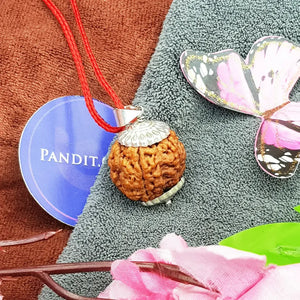
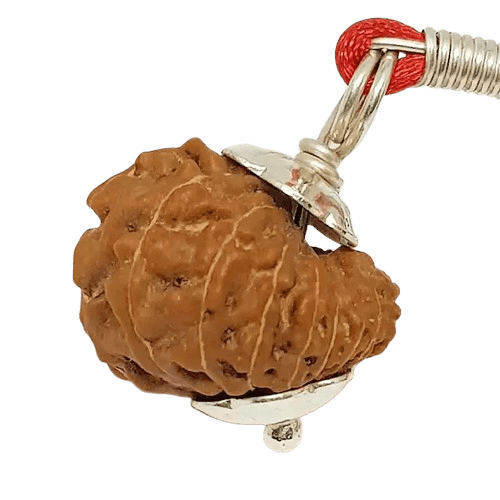
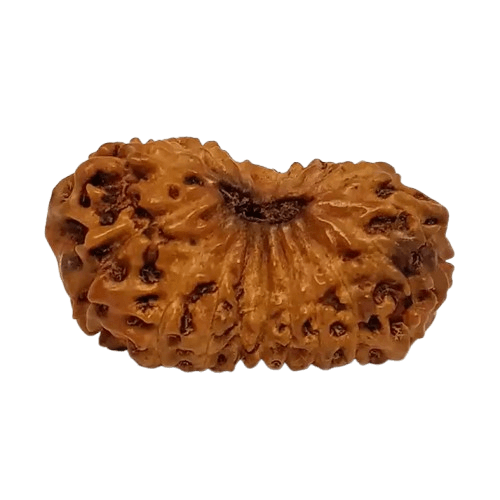
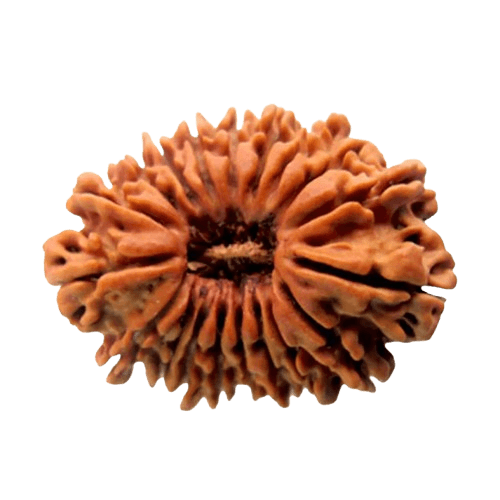
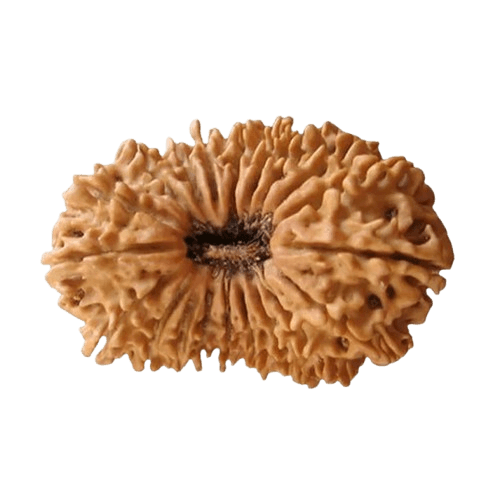
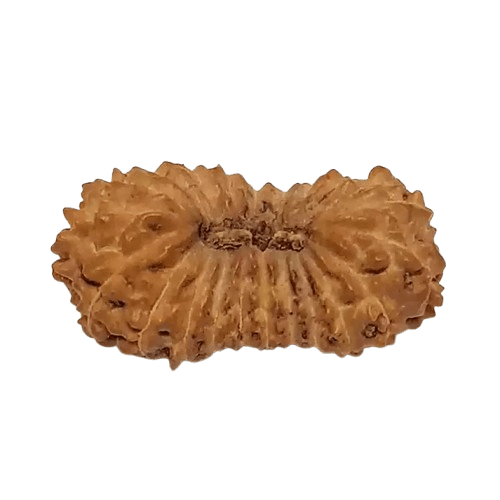
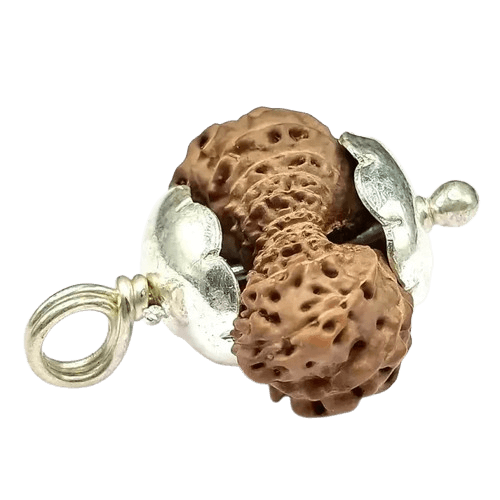
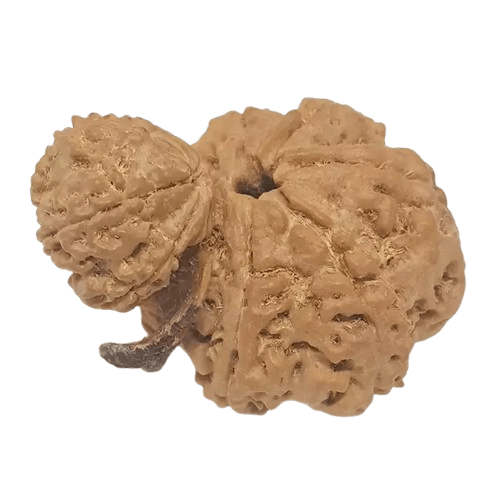
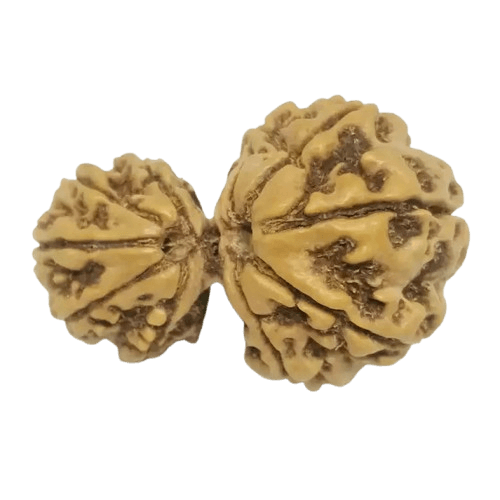
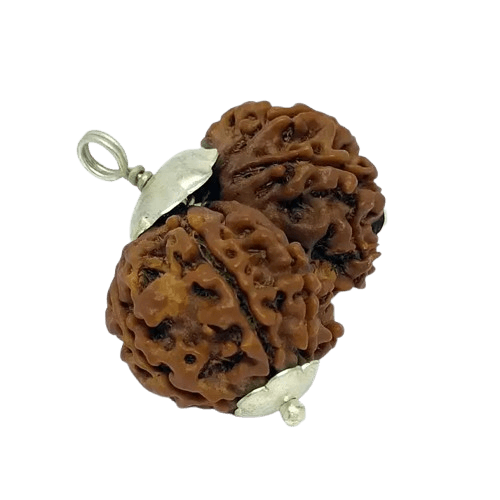
When combined with a 5 Mukhi Rudraksha, breath-focused meditation becomes even more transformative, enhancing focus, emotional balance, and spiritual awareness.
This guide explores practical breath awareness techniques and explains how integrating Rudraksha into your practice can maximize benefits.
Why Breath Awareness Matters
Your breath directly influences your mental and emotional state. Shallow, irregular breathing can increase stress, anxiety, and mental fatigue, while slow, deep breathing promotes relaxation, clarity, and focus. Breath awareness techniques help:
- Anchor the mind during meditation
- Reduce stress and anxiety
- Enhance concentration and memory
- Balance the body’s energy and support chakra alignment
When paired with the 5 Mukhi Rudraksha, breath awareness helps channel the bead’s energy more effectively, creating a calm yet alert state ideal for meditation.
Preparing for Breath Awareness Meditation
- Choose a Quiet Space: Select a serene, comfortable environment free from distractions.
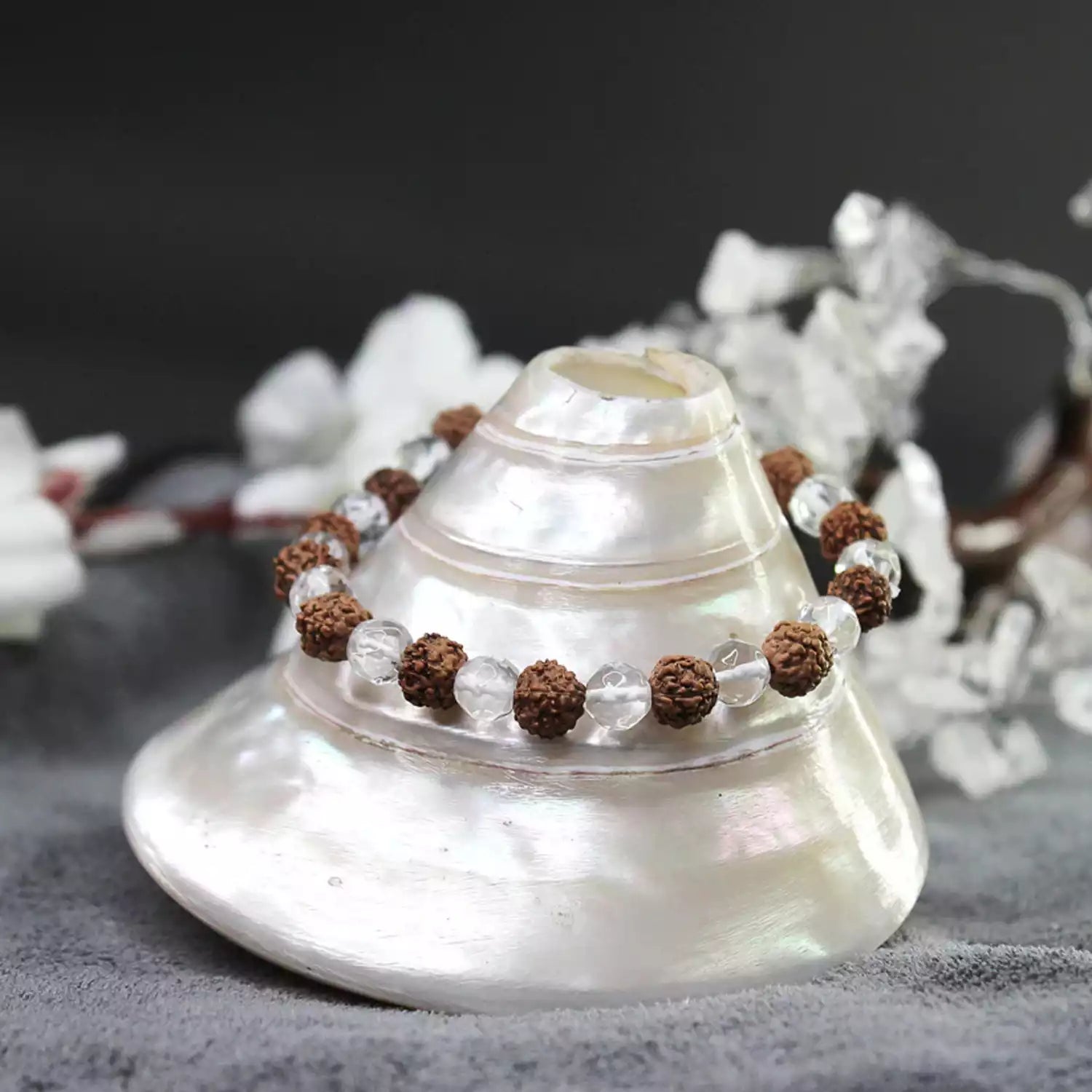
- Hold or Wear the Rudraksha: Keep the bead in your right hand, wear it near your heart, or use it as a mala. Its energy enhances focus and spiritual alignment.
- Sit Comfortably: Maintain an upright posture, relax your shoulders, and close your eyes.
Simple Breath Awareness Techniques
- Deep Diaphragmatic Breathing
- Inhale slowly through your nose, allowing your abdomen to expand.
- Exhale fully through your mouth, drawing the navel toward the spine.
- Focus on the rise and fall of your abdomen.
This technique engages the parasympathetic nervous system, reducing stress and calming the mind. - Counting Breath
- Inhale for a count of four, hold for two, exhale for six.
- Repeat for 5–10 minutes, keeping attention on each breath.
Counting helps maintain single-pointed focus, prevents distraction, and trains the mind to stay present. - Alternate Nostril Breathing (Nadi Shodhana)
- Close your right nostril with your thumb and inhale through the left.
- Close the left nostril with your ring finger and exhale through the right.
- Continue alternating for several cycles.
This balances energy flow in the body, calms the nervous system, and harmonizes both hemispheres of the brain. - Breath Visualization
- Imagine inhaling pure, white light and exhaling stress or negativity as a dark cloud.
- Visualize the 5 Mukhi Rudraksha amplifying this cleansing process, filling your body with calm and clarity.
Integrating Breath Awareness with Meditation

Combine these techniques with a mantra or affirmation for enhanced effects. For example, while performing deep diaphragmatic breathing, silently repeat “Om Namah Shivaya” or “I am calm, I am focused”.
The Rudraksha acts as a focal point, helping maintain attention and enhancing the vibrational energy of the practice.
Benefits of Breath Awareness with Rudraksha
- Reduces stress, anxiety, and mental fatigue
- Improves focus, clarity, and concentration
- Enhances emotional balance and resilience
- Strengthens spiritual connection and chakra alignment
- Supports holistic physical and mental well-being
Breath awareness techniques are essential tools for cultivating a calm, focused, and spiritually aligned mind.
When practiced with a 5 Mukhi Rudraksha, the effects are magnified, helping you release stress, maintain mental clarity, and connect deeply with your inner self.
By incorporating these techniques into your daily routine, you can transform meditation from a simple practice into a powerful path of focus, healing, and self-discovery.