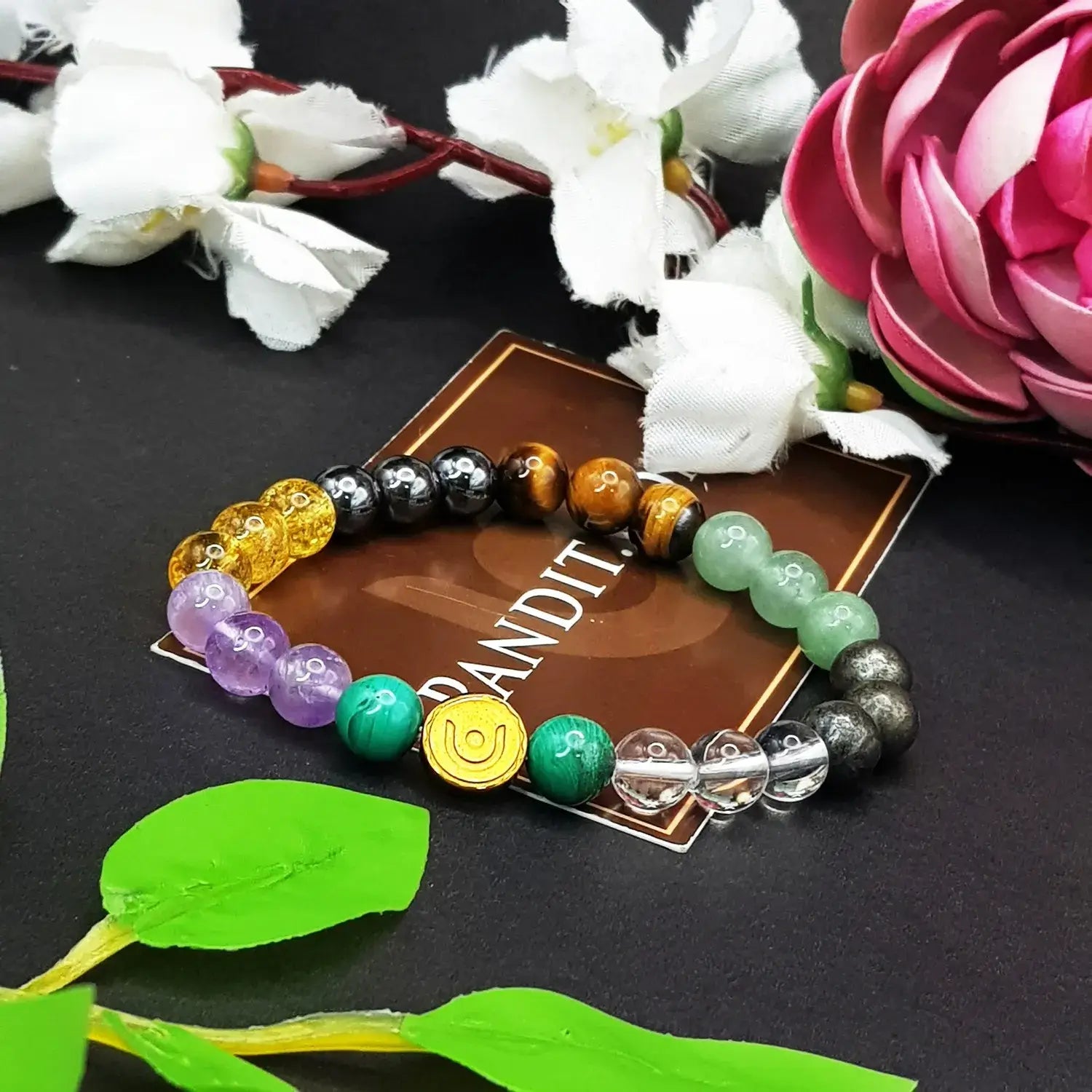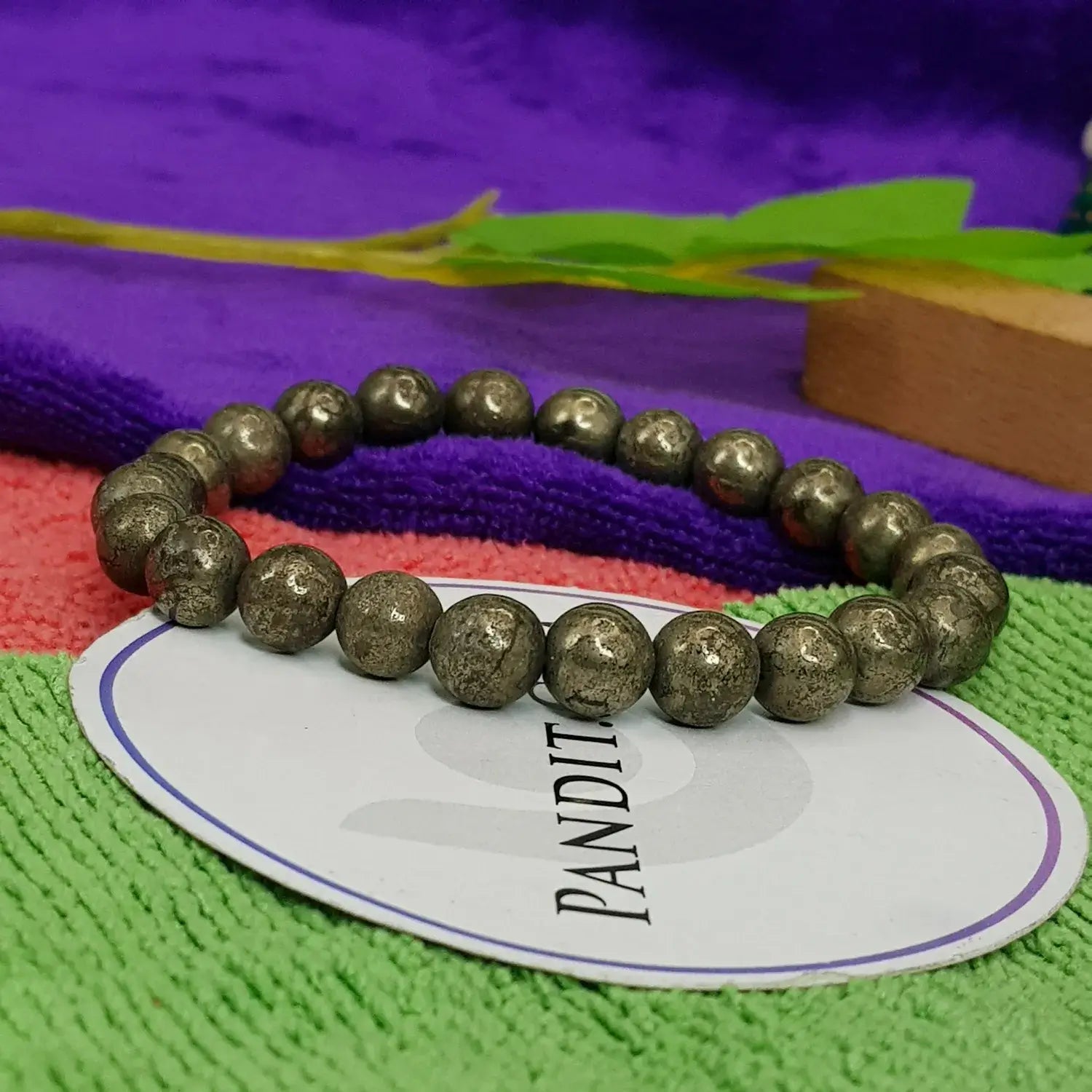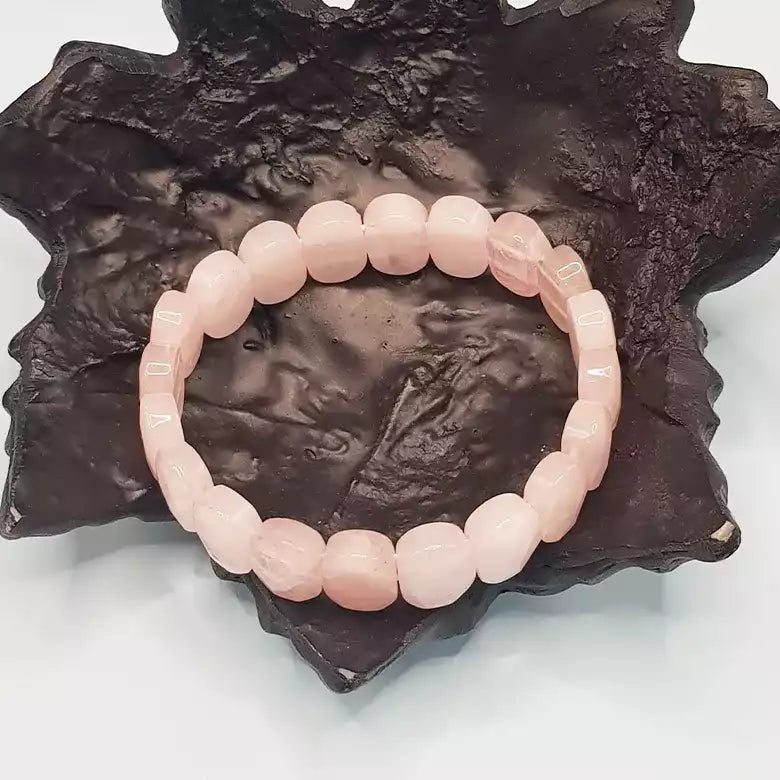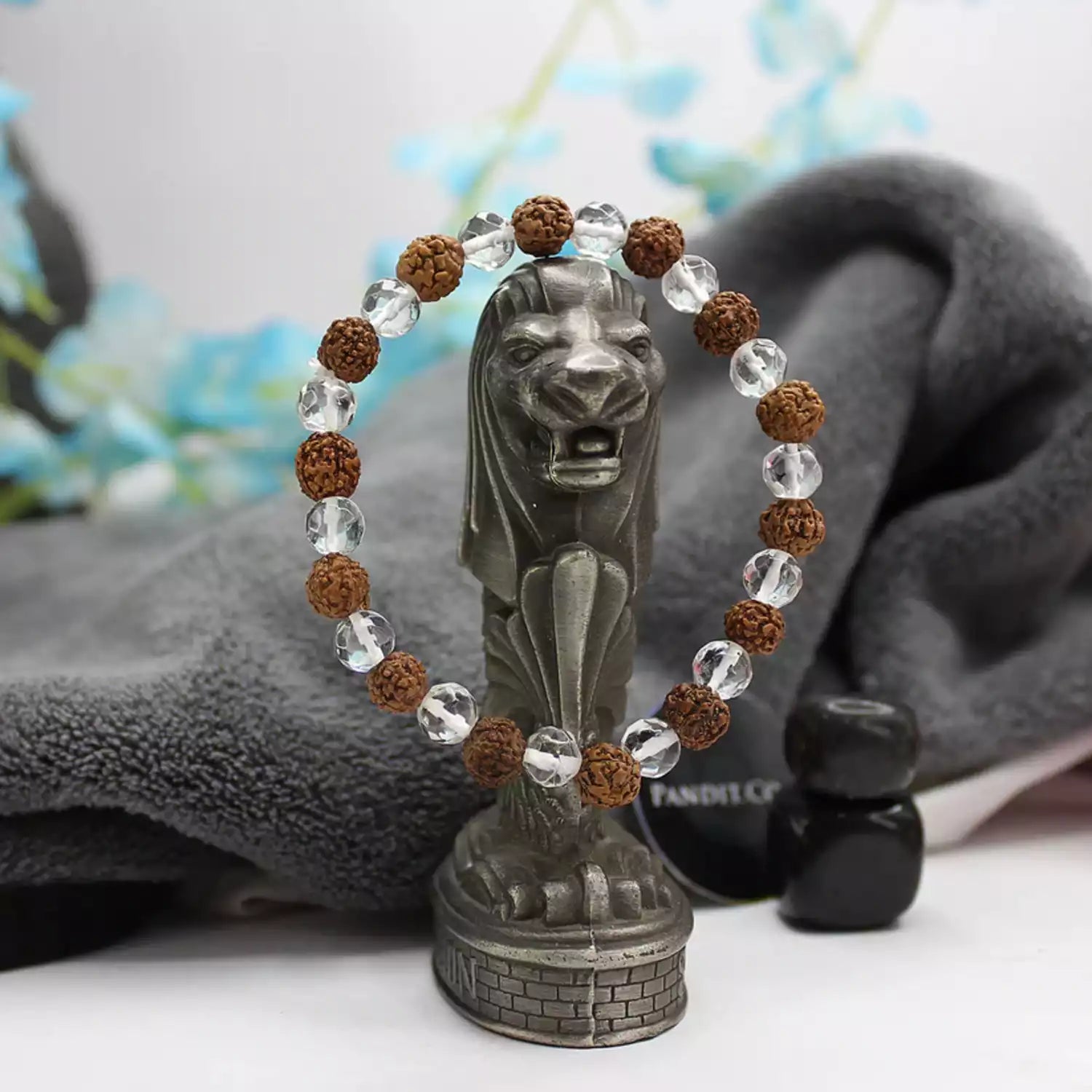


जेम्स्टोन (रत्न)
Choose Your Gemstone

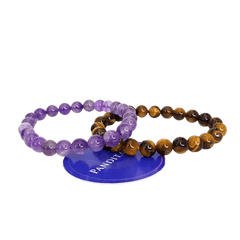
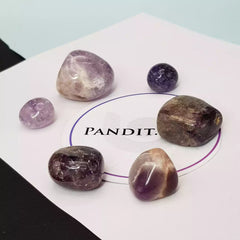
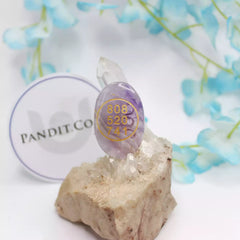
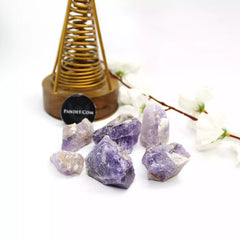
Amethyst Gemstone
35 Products
Beryl Emerald Gemstone
1 Products
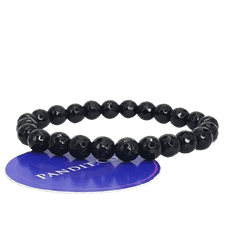
Black Banded Agate Onyx Gemstone
1 Products
Black Pearl Gemstone
63 Products
Bloodstone Gemstone
1 Products
Blue Amazonite Gemstone
64 Products
Blue Goldstone Gemstone
1 Products
Blue Onyx Gemstone
1 Products
Blue Sapphire Gemstone
112 Products
Blue Topaz Gemstone
80 Products
Blue Zircon Gemstone
1 Products
Carnelian Gemstone
1 Products
Cats Eye Gemstone
25 Products
Elephant Jasper Gemstone
1 Products
Emerald Gemstone
1 Products
Fire Opal Gemstone
7 Products
Golden Pearl Gemstone
11 Products
Golden Sunstone Gemstone
0 Products
Green Onyx Gemstone
1 Products
Hessonite Gemstone
1 Products
Iolite Gemstone
50 Products
Keshi Pearl Gemstone
43 Products
Moissanite Gemstone
6 Products
Moonstone Gemstone
60 Products
Moss Agate Gemstone
1 Products
Opal Gemstone
1 Products
Opalite Gemstone
1 Products
Peridot Gemstone
7 Products
Pitambari Gemstone
32 Products
Pyrite Gemstone
89 Products
Red Coral Gemstone
1 Products
Red Onyx Gemstone
1 Products
Rose Quartz Gemstone
1 Products
Ruby Gemstone
48 Products
Sodalite Gemstone
1 Products
Tiger Eye Gemstone
204 Products
Turquoise Gemstone
1 Products
White Hakik Gemstone
1 Products
White Onyx Gemstone
1 Products
White Pearl Gemstone
1 Products
White Sapphire Gemstone
1 Products
White Zircon Gemstone
1 Products
Yellow Citrine Gemstone
1 Products
Yellow Onyx Gemstone
1 Products
Yellow Sapphire Gemstone
1 ProductsA ratna is worn in Jyotish to strengthen the planet it belongs to. Pandit.com lists the navaratna and their upratna, or substitute stones, as single pieces with their carat weight, so you choose the exact stone you will wear: Blue Sapphire (Neelam), Pitambari, Yellow Sapphire (Pukhraj), Ruby (Manik), Emerald (Panna), Hessonite (Gomed), Cat's Eye (Lehsunia), pearls and red coral, along with iolite, amethyst and other upratna. Every stone is chosen under Pt. Rahul Kaushl.
The nine planets and their gemstones
Each of the nine grahas has one principal ratna, and most have gentler, more affordable substitutes. This is the arrangement followed across Vedic astrology.
| Planet | Ratna | Common upratna |
|---|---|---|
| Surya (Sun) | Ruby (Manik) | Red spinel, red garnet |
| Chandra (Moon) | Pearl (Moti) | Moonstone |
| Mangal (Mars) | Red Coral (Moonga) | Carnelian |
| Budh (Mercury) | Emerald (Panna) | Peridot, green onyx |
| Guru (Jupiter) | Yellow Sapphire (Pukhraj) | Citrine (Sunela) |
| Shukra (Venus) | Diamond (Heera) | White sapphire, white zircon, opal |
| Shani (Saturn) | Blue Sapphire (Neelam) | Amethyst, iolite (Neeli) |
| Rahu | Hessonite (Gomed) | Chosen case by case |
| Ketu | Cat's Eye (Lehsunia) | Chosen case by case |
How to choose the right gemstone
A gemstone strengthens whatever its planet stands for in your chart, the helpful and the difficult alike. That is why the stone is chosen from the birth chart and not from the rashi alone. An astrologer looks at which houses the planet rules, where it sits, its strength and the running dasha.
- Start with the lagna. Stones of the planets that rule good houses for your ascendant are the usual first choice.
- Do not combine enemies. Stones of planets that are natural enemies, such as Manik and Neelam, are not worn together.
- Test the strong stones. Neelam, Gomed and Lehsunia act quickly, so many astrologers advise a short trial before the stone is set.
- Use an upratna when the budget is tight. A clean substitute is better than a heavily included ratna.
To get a stone matched to your chart, consult Pt. Rahul Kaushl.
How to wear a gemstone
- Set the stone so its base touches the skin. Gold is traditional for Manik, Pukhraj and Moonga, and silver for Moti; Neelam, Gomed and Lehsunia are often set in silver or panchdhatu.
- Wear it on the day of its planet, in Shukla Paksha, in the morning after bathing.
- Wash the ring in raw milk and Ganga jal, then chant the planet's beej mantra 108 times.
- Wear it on the finger of the planet: the ring finger for Surya and Mangal, the index finger for Guru, the middle finger for Shani, and the little finger for Budh and Chandra.
Frequently asked questions
Which gemstone should I wear?
It depends on your birth chart, not only your rashi. The stone of a planet that rules good houses for your ascendant is usually the first choice. A consultation is the safest way to decide.
What is the difference between a ratna and an upratna?
A ratna is the principal gemstone of a planet, such as Neelam for Shani. An upratna is a substitute stone for the same planet, such as amethyst or iolite for Shani. Upratna are gentler and more affordable.
How many carats should my gemstone be?
Weight is decided with the astrologer, by the planet, your chart and the quality of the stone. A clean stone of a moderate weight is preferred over a large stone with heavy inclusions.
Which metal should a gemstone be set in?
Gold is traditional for Manik, Pukhraj and Moonga, and silver for Moti. Neelam, Gomed and Lehsunia are often set in silver or panchdhatu. Your astrologer may adjust this for your chart.
Can I wear Neelam without a trial?
Neelam is known as a fast-acting stone, so many astrologers advise wearing it for a few days on trial, or keeping it close, before it is set permanently.
What is Pitambari?
Pitambari is a natural sapphire that shows both blue and yellow in one stone. It is associated with Shani and Guru together, and it is chosen only when both planets support the chart.