

असली रुद्राक्ष

इसके अनुसार क्रमबद्ध करें:


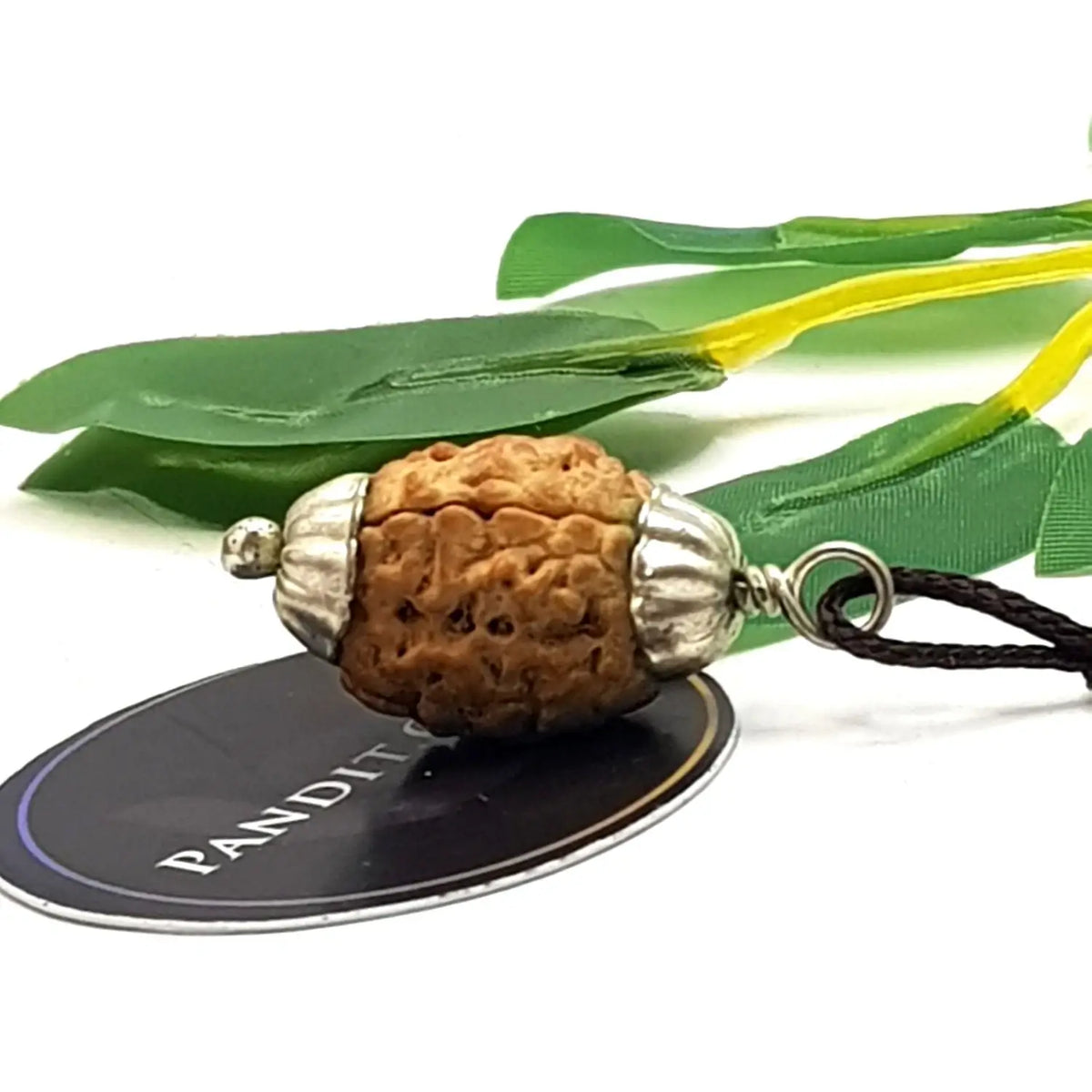
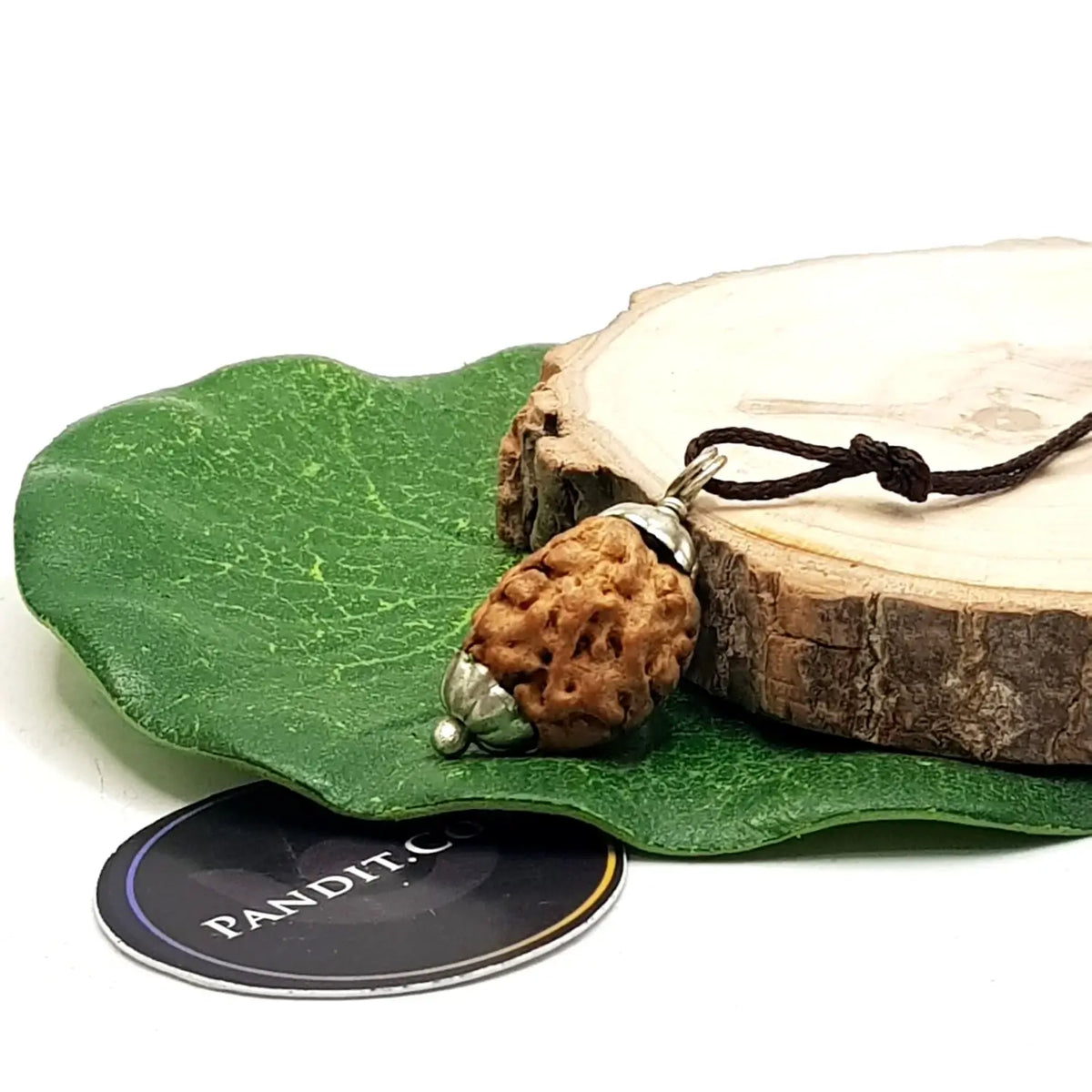


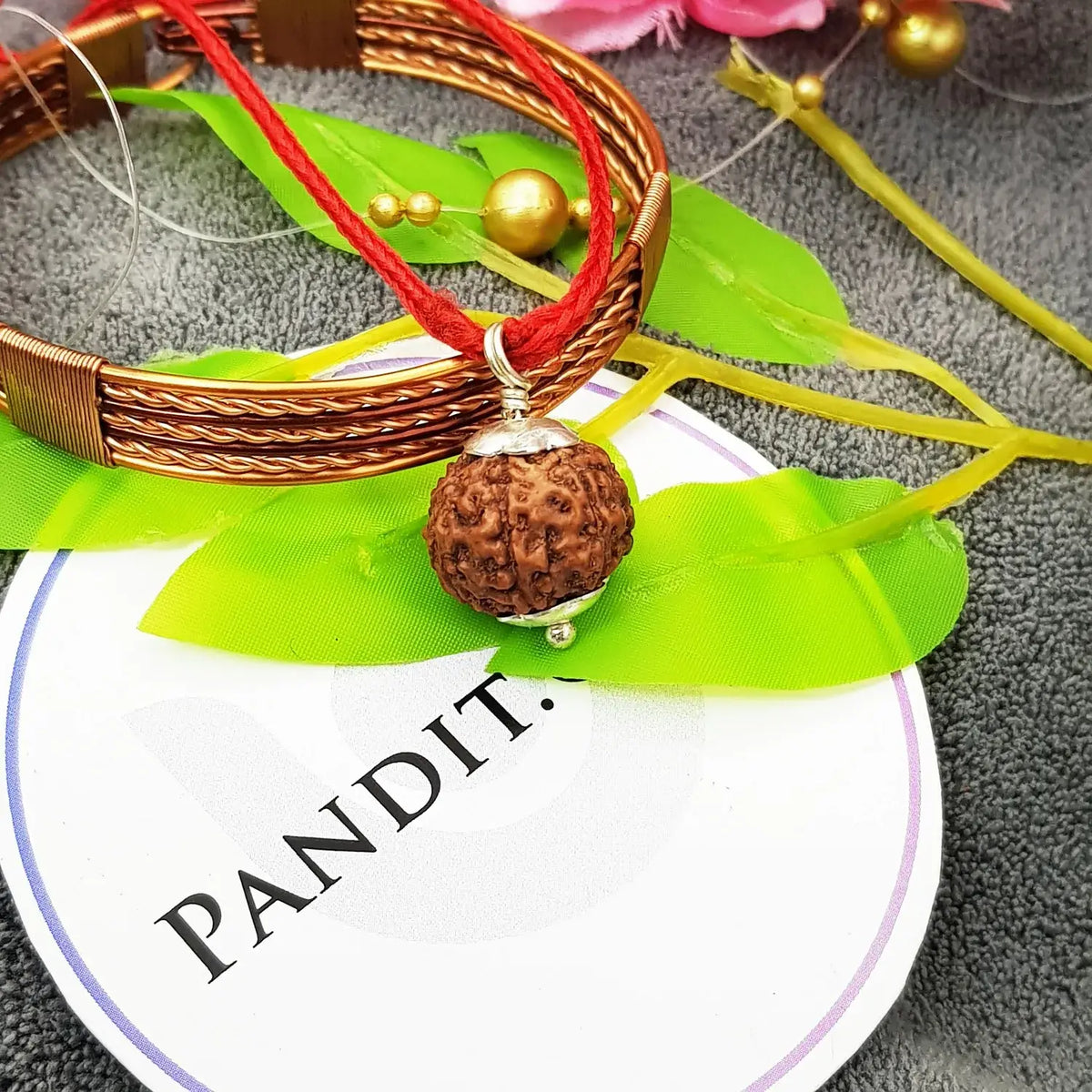


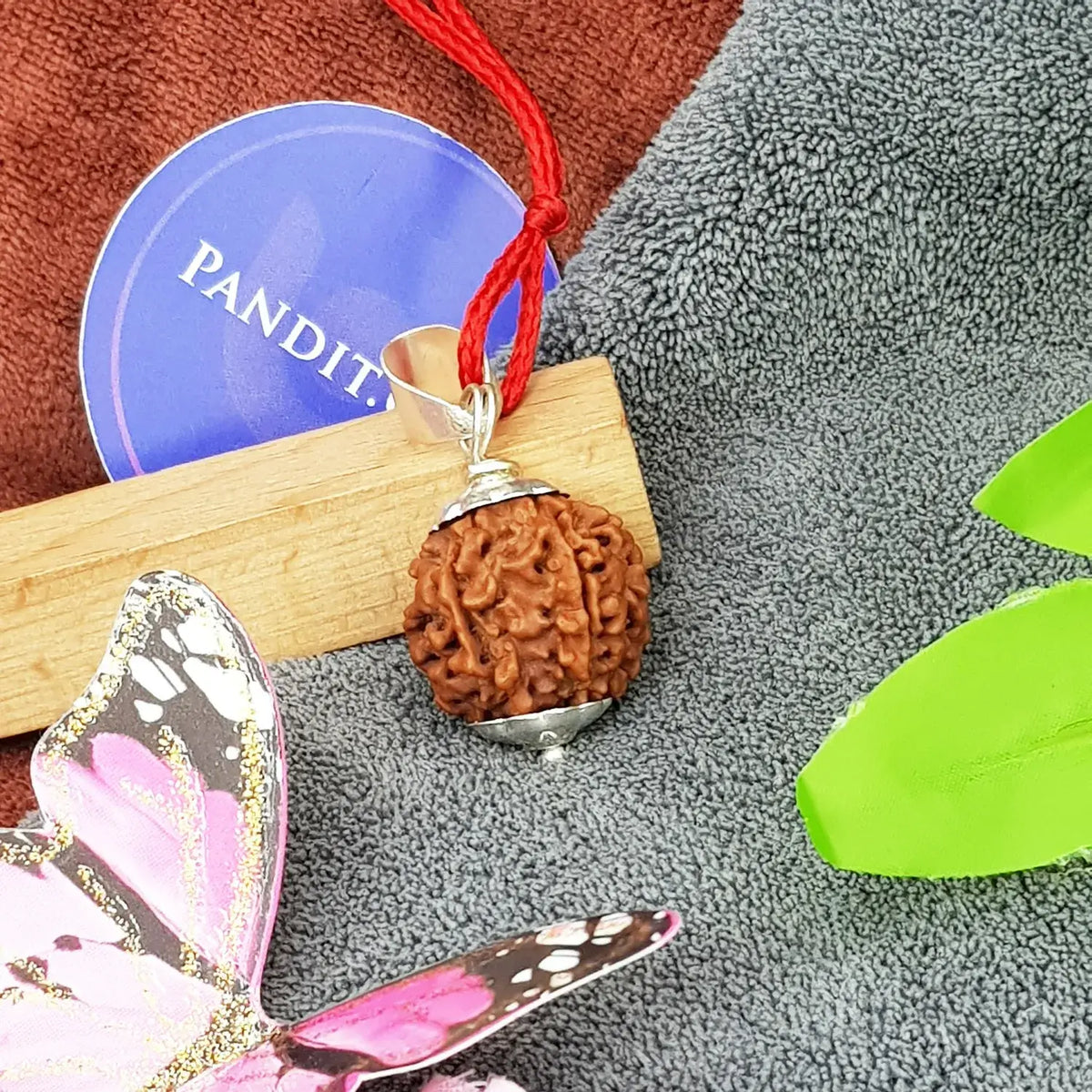
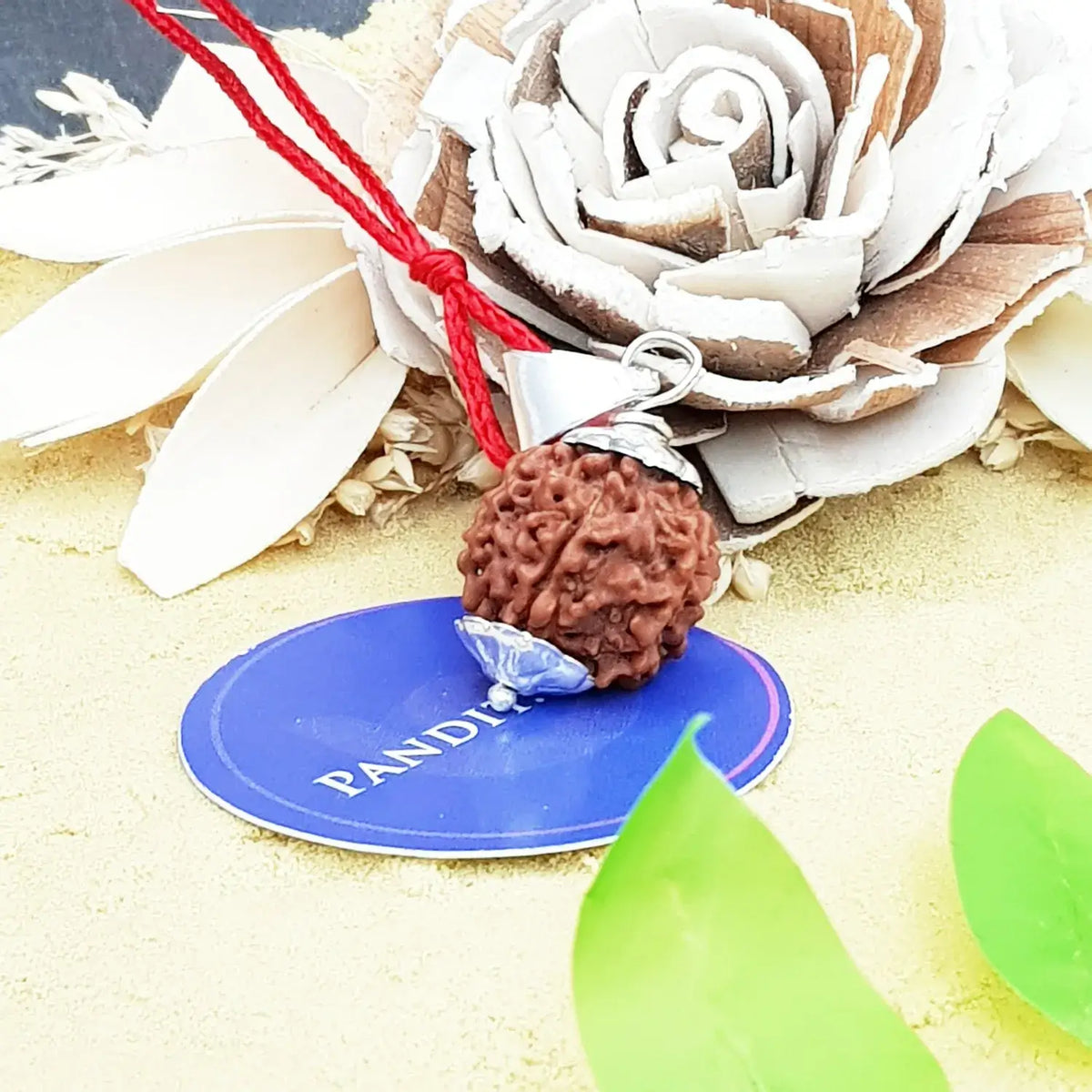


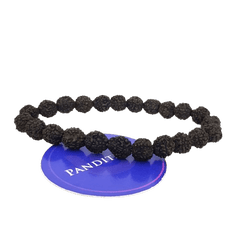
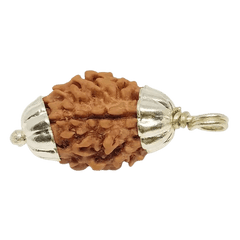
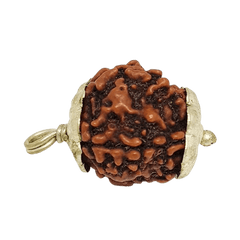
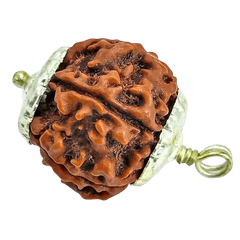
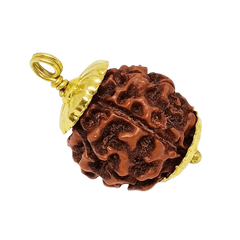
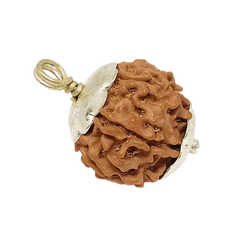
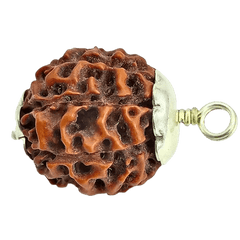
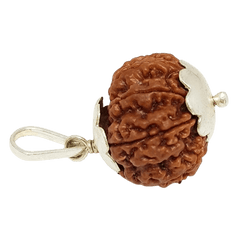
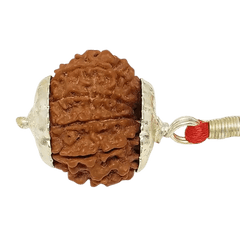
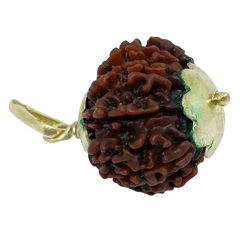
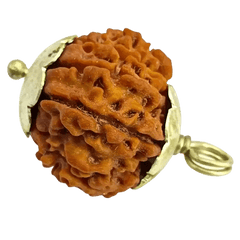
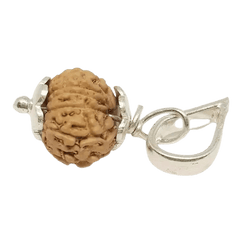
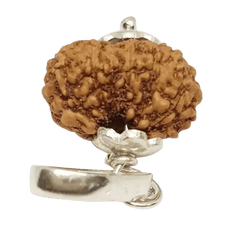
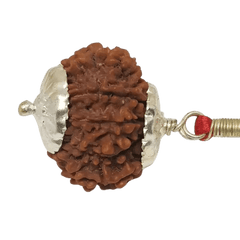
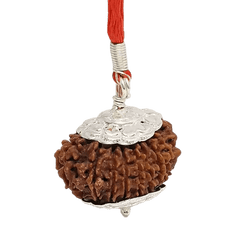
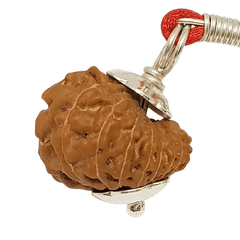
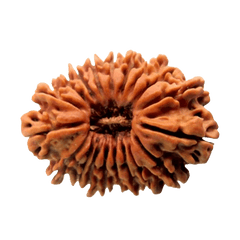
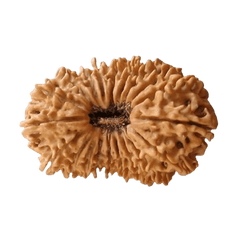
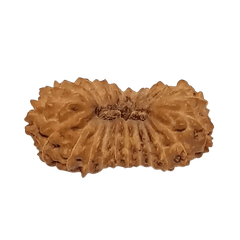
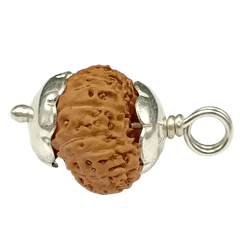
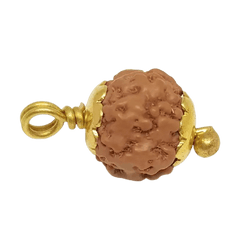
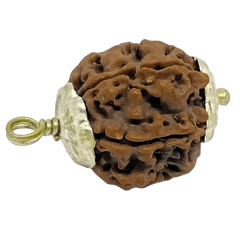
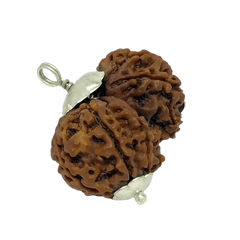
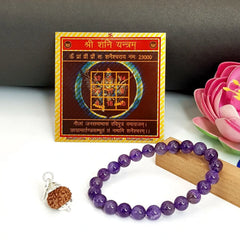
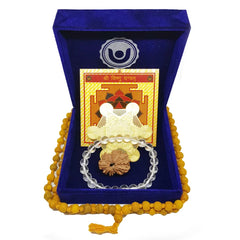
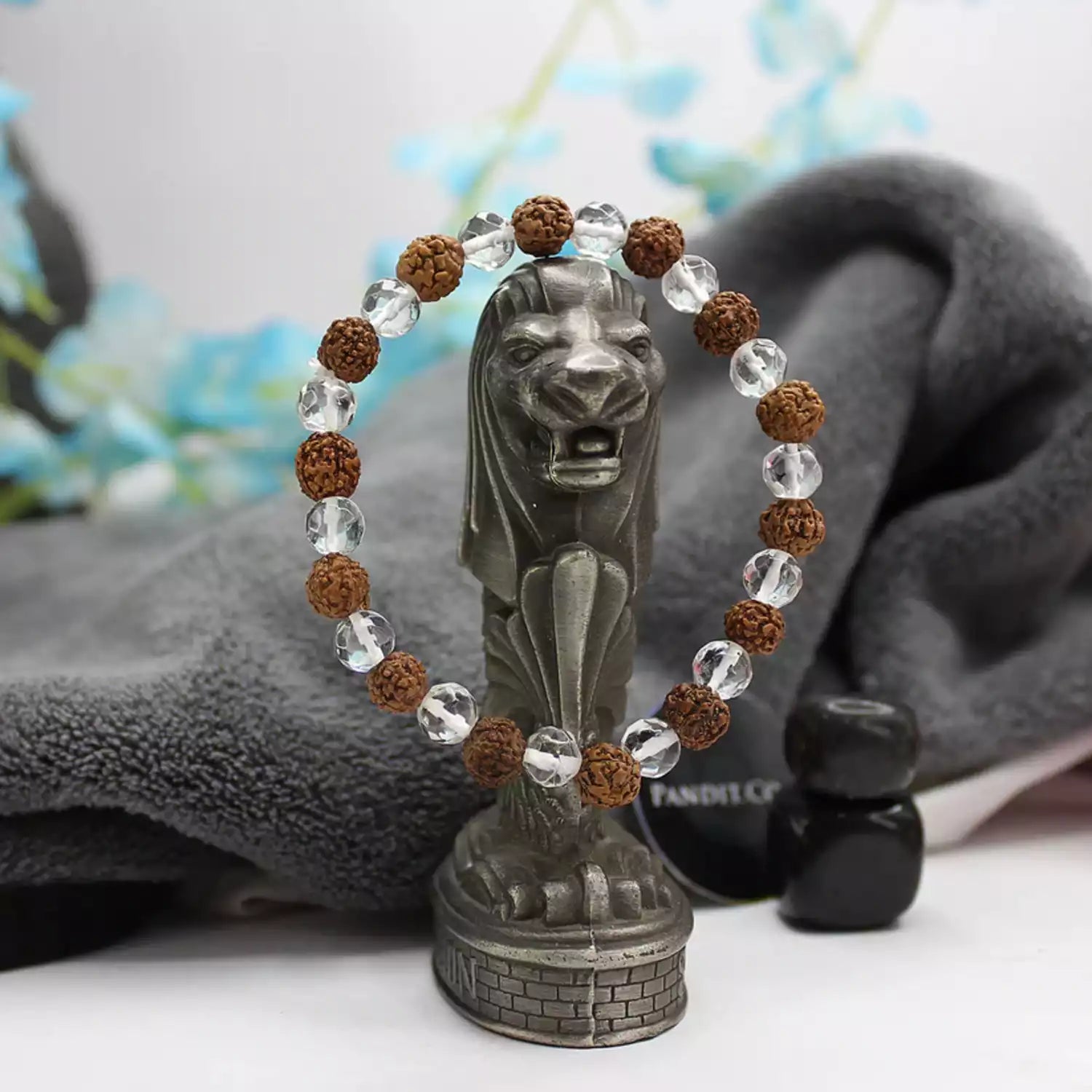
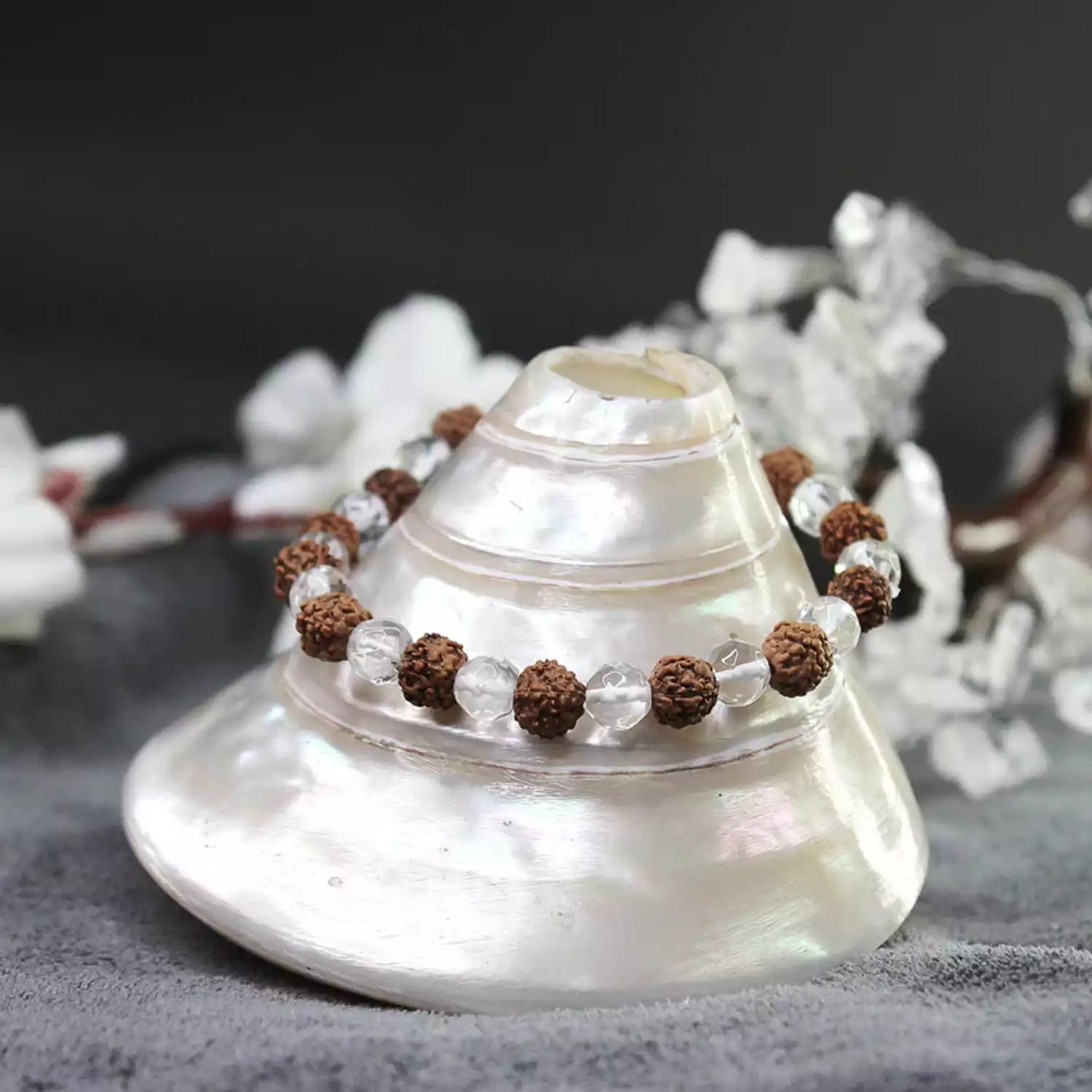
Rudraksha is the dried seed of the Elaeocarpus tree, and in the Shaiva tradition it is worn as the bead of Shiva. Pandit.com stocks Nepal, Indonesian and Indian rudraksha from 1 to 23 mukhi, the rare joined and shaped beads such as Gauri Shankar, Ganesh and Trishul, and ready-to-wear malas and bracelets. Every bead is selected under Pt. Rahul Kaushl, many beads come with an optional silver cap, and a lab certificate is available on request.
What is a rudraksha?
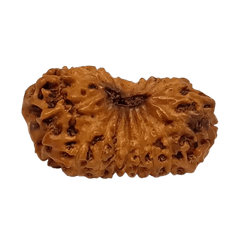
The name joins Rudra, a name of Shiva, with aksha, the eye. The Shiva Purana (Vidyeshvara Samhita) and the Rudrakshajabala Upanishad describe the bead, its faces and the way it is to be worn. A mukhi, or face, is a natural cleft that runs from the top of the bead to the bottom. The number of mukhi is the bead's identity: it decides the deity and the planet the bead is associated with, and it is the first thing to check when you buy.
Which mukhi is linked with which planet?
The planet links below are the convention followed in modern Jyotish practice. The classical texts describe each mukhi by its deity, and they differ in places, so treat this as a starting point rather than a rule.
| Mukhi | Planet in modern practice | Most often chosen by |
|---|---|---|
| 1 Mukhi | Surya | Serious sadhakas; rare and costly |
| 2 Mukhi | Chandra | Those working on relationships and emotional steadiness |
| 3 Mukhi | Mangal | Those who want confidence and drive |
| 4 Mukhi | Budh | Students, writers and speakers |
| 5 Mukhi | Guru | Everyone; the common bead for daily japa |
| 6 Mukhi | Shukra | Artists and those in creative work |
| 7 Mukhi | Shani | Those in a difficult Shani period |
| 8 Mukhi | Rahu | Those beginning new ventures; linked with Ganesha |
| 9 Mukhi | Ketu | Devotees of Durga |
Beads of 10 to 23 mukhi are rarer, are usually chosen for a specific sadhana, and are best selected after a chart reading.
Nepal, Indonesian or Indian rudraksha?
All three are seeds of the same family. Nepal beads are larger, with deep and clearly cut mukhi, and cost more. Indonesian beads, often called Java rudraksha, are smaller and denser, with finer lines, and are preferred for malas because they sit lighter on the body. Indian beads are offered here in the 1 and 2 mukhi. Origin changes size, feel and price; it does not change the mukhi.
Special beads: Gauri Shankar, Ganesh and more
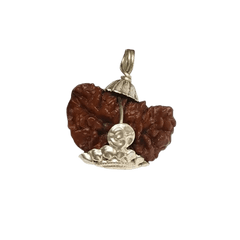
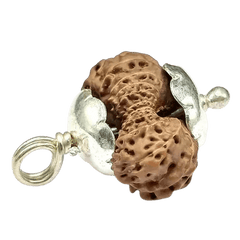
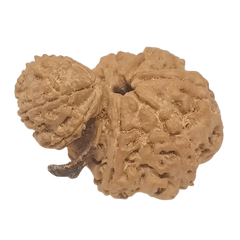
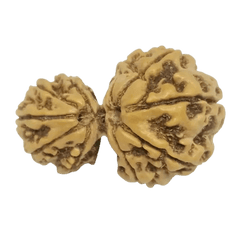
A Gauri Shankar is two beads joined naturally, and is kept as the united form of Shiva and Parvati. A Ganesh rudraksha carries a raised, trunk-like ridge. Shaped beads such as Trishul, Damru, Om, Nandi and Naag are named for the form that appears on their surface. Because these are rare, they are usually kept in the puja room or worn on special occasions.
How to wear rudraksha
- Choose a Monday, ideally in Shravan or on Mahashivratri, or any Monday in Shukla Paksha.
- Wash the bead in clean water and let it dry.
- Sit facing east or north and chant Om Namah Shivaya 108 times with the bead in your right hand.
- Wear it on a red or black thread, or with a silver or gold cap, so that it touches the skin.
- Once a month, wash it and apply a drop of oil so the bead does not dry and crack.
Not sure which mukhi suits your chart? Consult Pt. Rahul Kaushl before you buy.
Frequently asked questions
Which rudraksha can anyone wear?
The 5 mukhi rudraksha. It is the most common bead, is associated with Kalagni Rudra, and is the traditional choice for a japa mala of 108 beads plus the sumeru.
How do I know a rudraksha is original?
An X-ray is the dependable test: a real bead shows one seed chamber for each mukhi. The popular water and coin tests are not reliable, because a dry real bead can float and a dense fake can sink. For any high-value bead, ask for the lab certificate.
Is Nepal rudraksha better than Indonesian?
Neither is better by nature. Nepal beads are larger with deeper mukhi; Indonesian beads are smaller, denser and lighter to wear. Choose by mukhi first, then by the size and budget that suit you.
Which day is best to start wearing rudraksha?
Monday, the day of Shiva, is the traditional choice. Shravan Mondays and Mahashivratri are considered especially auspicious.
Can I wear more than one rudraksha together?
Yes. Many people wear a combination, such as a 5 mukhi mala with a single higher-mukhi bead as the pendant. A combination is best chosen from the birth chart.
Should I choose a bead with a silver cap?
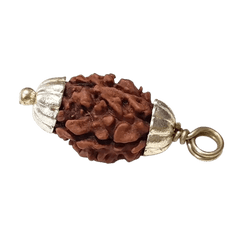
A silver cap protects the bead where the thread passes through and makes it easier to wear as a pendant. It does not change the mukhi or the bead itself, so choose it for comfort and durability.