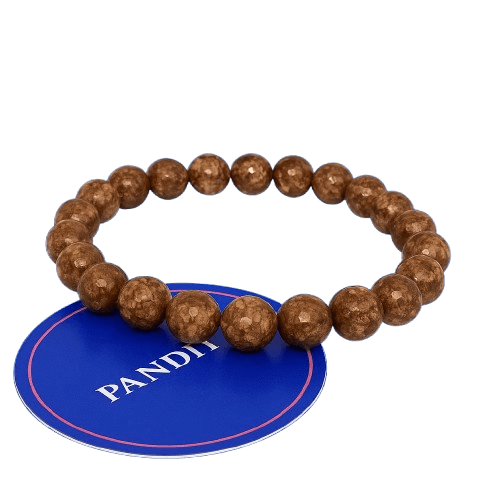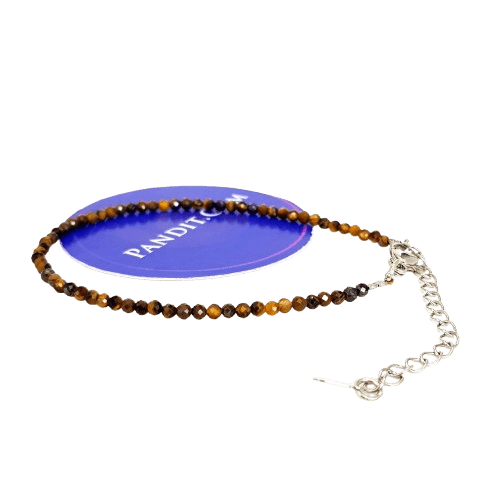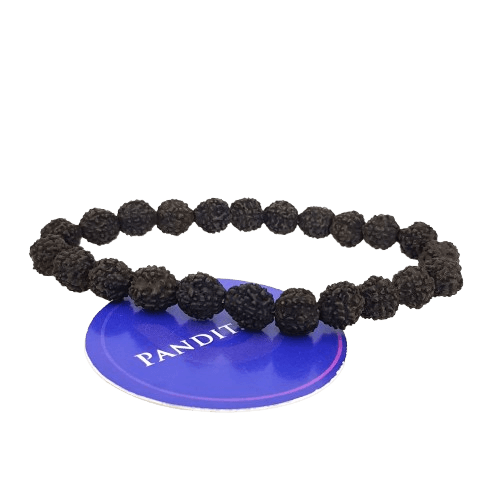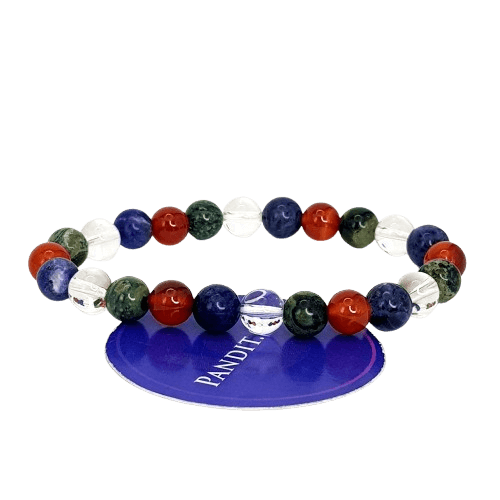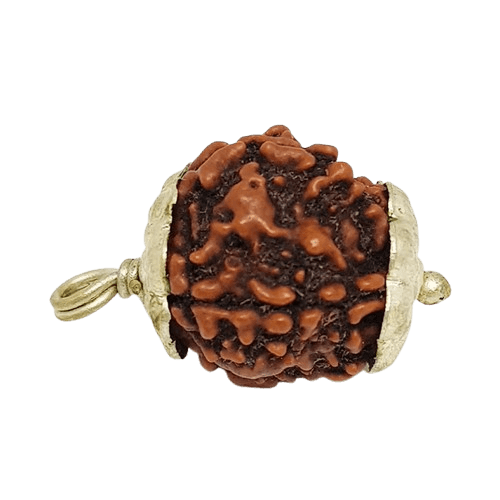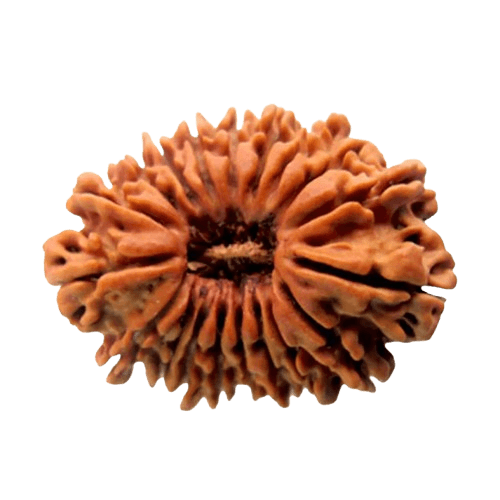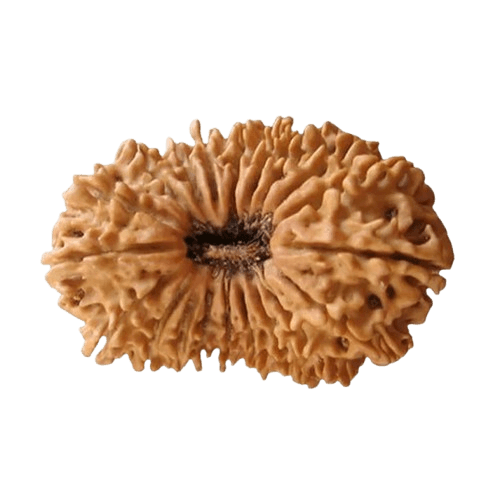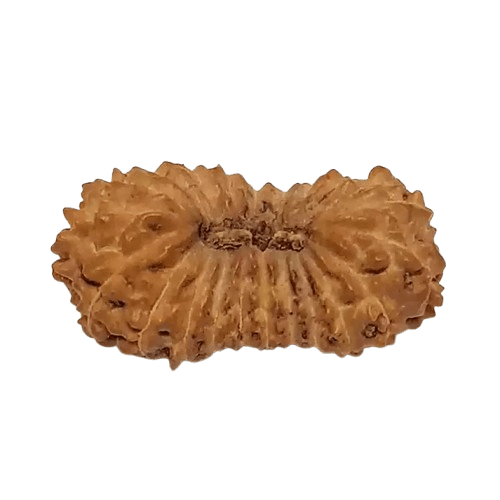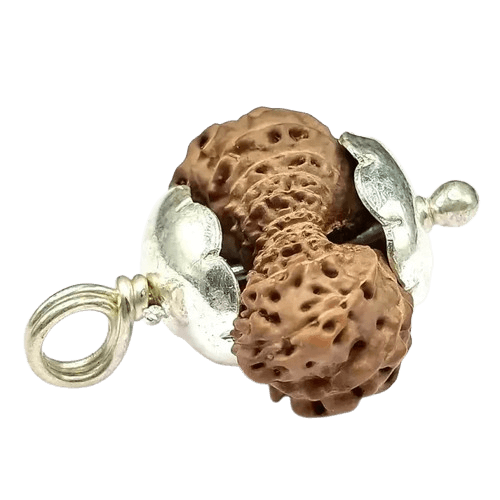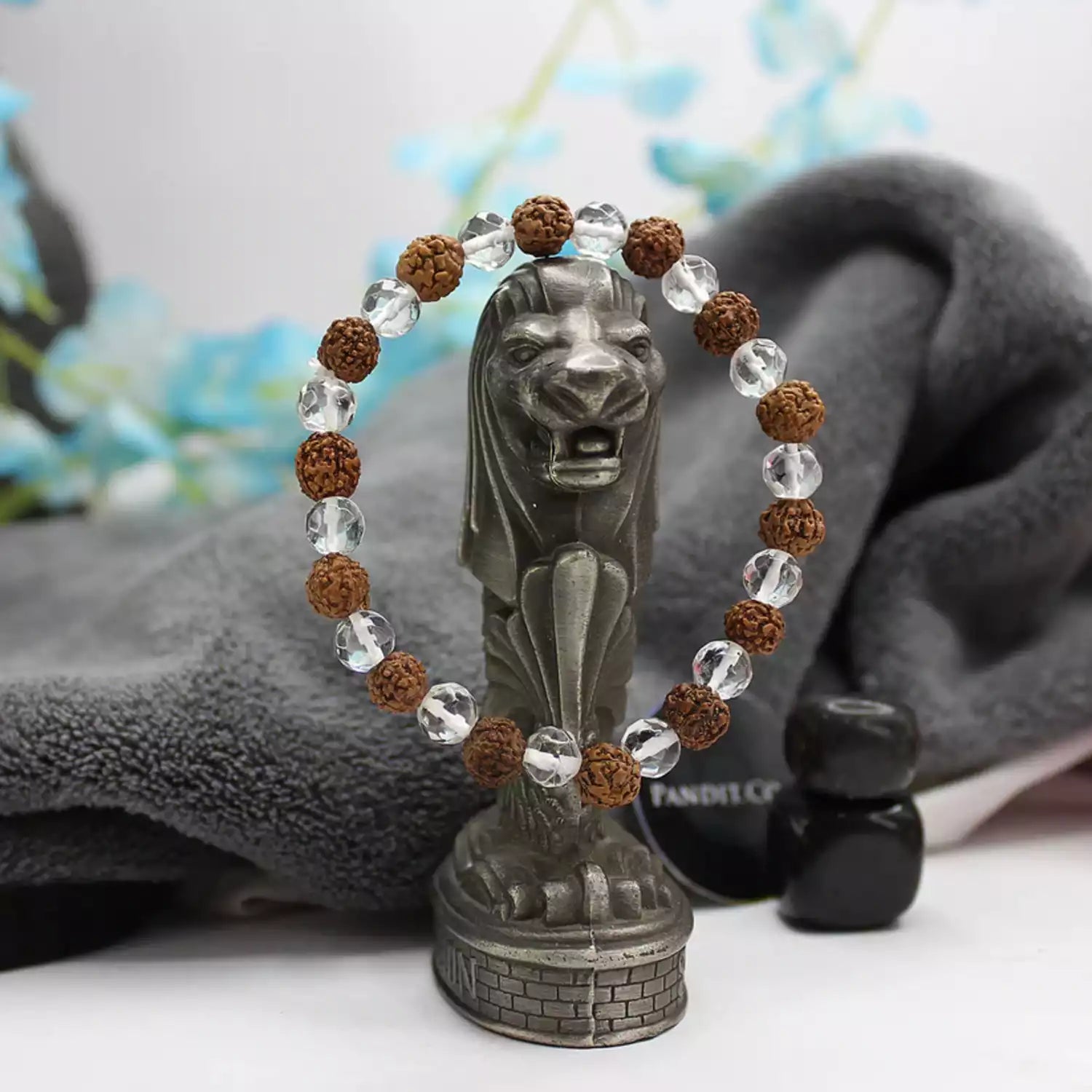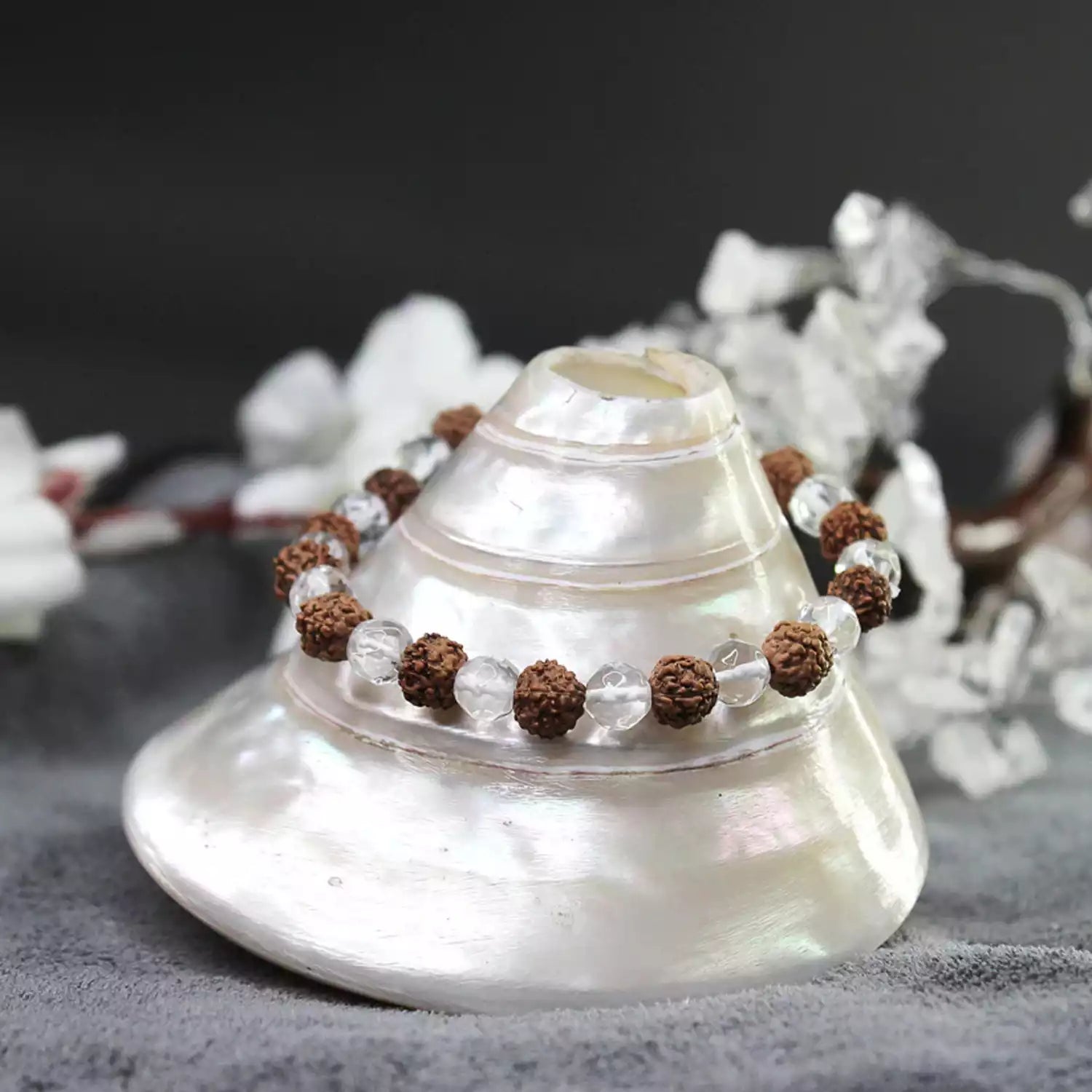


Rudraksha beads have been venerated for centuries as sacred seeds of Lord Shiva, offering spiritual, emotional, and energetic benefits.
While many associate Rudraksha primarily with male ascetics, yogis, and sadhus, historical and scriptural evidence shows that women saints and yoginis have also worn Rudraksha as part of their spiritual practice.
These sacred beads served as tools for meditation, protection, emotional balance, and spiritual growth, helping women align with divine energy and achieve higher consciousness.
1. Female Yoginis of Tantra and Shaivism

In tantric and Shaivite traditions, female practitioners, or yoginis, often wore Rudraksha beads as part of their sadhana.
These women were not only devoted to spiritual practice but also served as teachers, healers, and guides in their communities.
Rudraksha was strung around their necks, wrists, and waist to enhance energy flow, protect against negative vibrations, and support meditation.
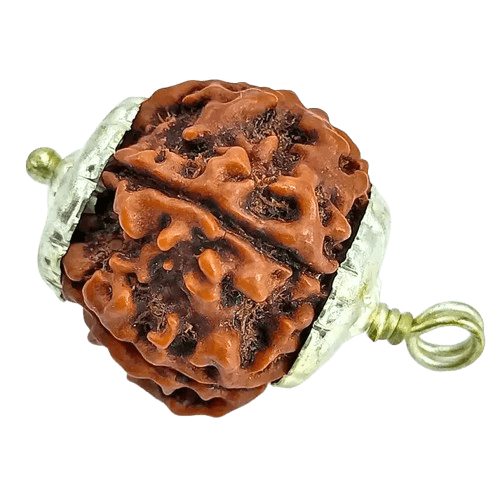
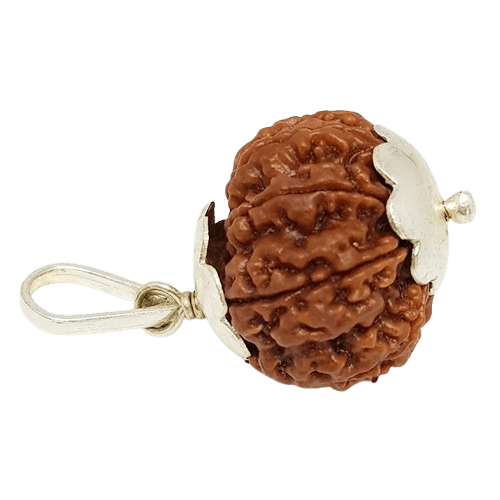
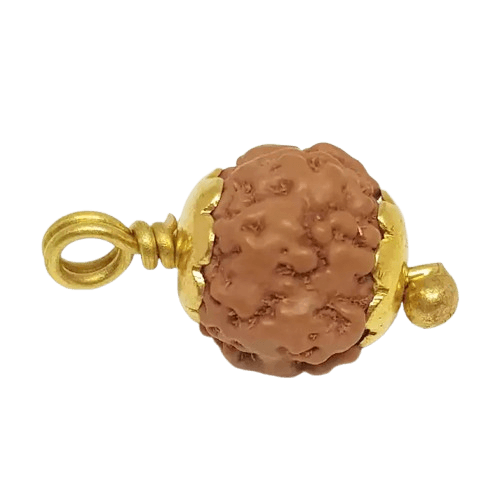
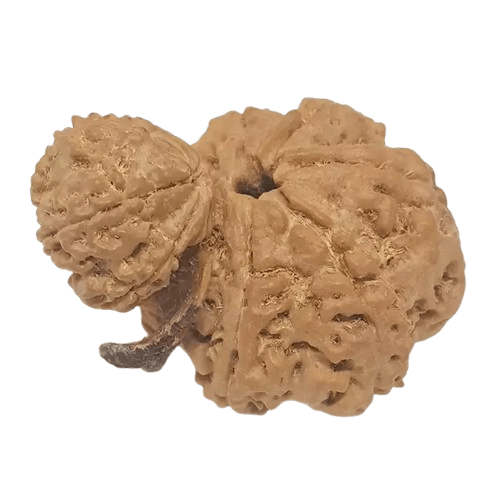
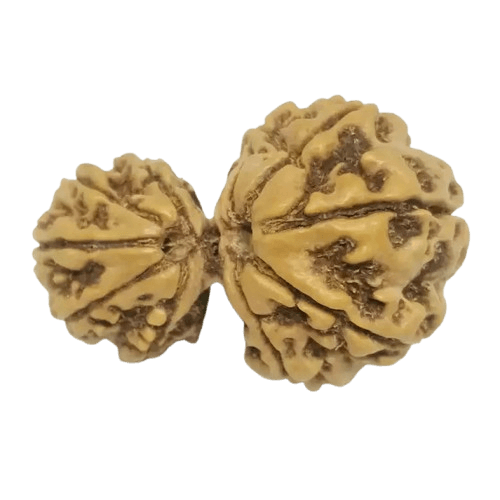
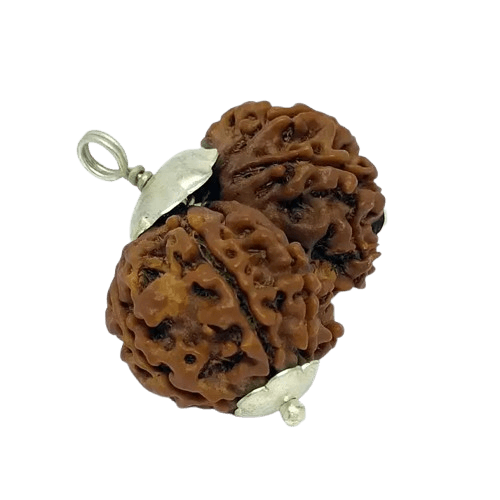
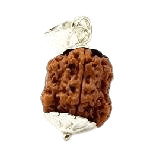
Beads like Panchmukhi and Gauri-Shankar were especially favored for their harmonizing and protective properties.
2. Anandamayi Ma and Contemporary Female Saints

Modern female saints, including Anandamayi Ma, have been known to use Rudraksha in daily spiritual practice.
Anandamayi Ma emphasized devotion, meditation, and inner awareness—qualities amplified by the vibration of Rudraksha beads.
These women used the beads not just as ornaments, but as spiritual tools to maintain concentration, calm the mind, and deepen their connection to the Divine.
Rudraksha supported their inner strength, emotional resilience, and guidance for followers.
3. Rudraksha in the Lives of Historical Female Mystics
Throughout history, female mystics and ascetics in India, especially in the Himalayan and Shaivite traditions, have used Rudraksha for both spiritual protection and empowerment.
Women traveling alone or practicing meditation in forest hermitages relied on Rudraksha to shield their energy, maintain focus, and stay grounded.
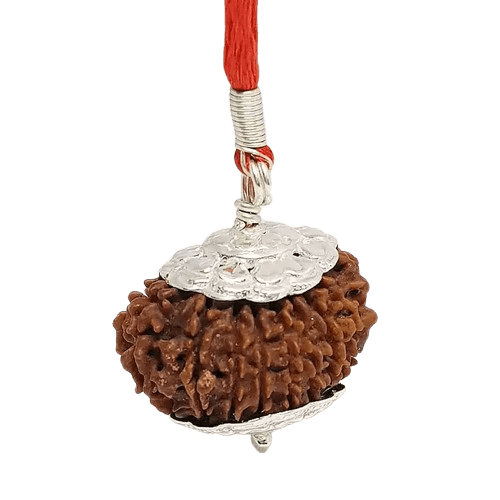
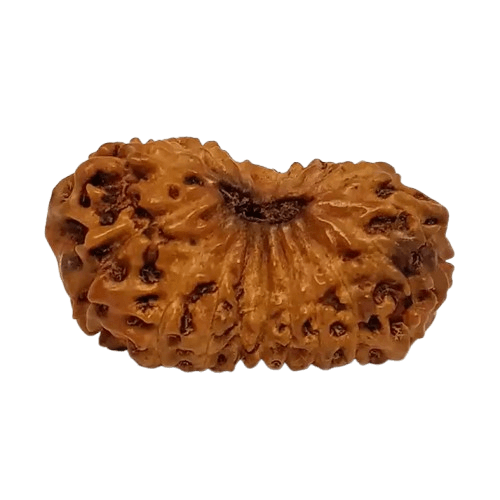
Historical records show that yoginis in tantric lineages wore specific mukhi Rudraksha beads depending on their spiritual goals—higher mukhi beads for meditation and sadhana, and five- or seven-mukhi beads for protection and balance.
4. Spiritual and Energetic Significance for Women

Rudraksha beads work on the subtle energy body, regulating the aura, chakras, and nervous system.
Female saints recognized the beads’ ability to balance emotions, increase intuition, and enhance meditation. Wearing Rudraksha became a symbol of devotion, discipline, and spiritual empowerment.
Beads like Gauri-Shankar Rudraksha were particularly revered among women for promoting harmony, emotional stability, and nurturing energy—qualities that supported both spiritual practice and daily life.
5. Lessons from Saints and Yoginis

The lives of these women demonstrate that Rudraksha is gender-neutral and equally potent for women.
It is not merely a symbol of asceticism but a spiritual tool that empowers devotees to maintain focus, emotional balance, and connection to divine energy.
Women saints and yoginis exemplify how Rudraksha can be integrated into daily life, meditation, and sadhana to amplify spiritual growth, protection, and inner strength.
Conclusion
From tantric yoginis to contemporary saints like Anandamayi Ma, women have historically worn Rudraksha as a sacred instrument of empowerment, protection, and spiritual progress.
The beads serve as an enduring reminder that Rudraksha is not bound by gender or social norms—it is a universal spiritual tool.
Women today can follow this timeless tradition, wearing Rudraksha with devotion, mindfulness, and respect to access the same spiritual, emotional, and energetic benefits as these revered saints.