

Hearing the word ‘Ekadashi’ might sound to you like keeping fast, doing prayers, or taking the meal of fruits and water. Well, it’s way more than that!
A total of 24 Ekadashis are observed in a year. Ekadashi is a special day dedicated to Lord Vishnu, and keeping Nirjala (The waterless) vrat on this day is considered super powerful.
In this blog, we will talk about Sawan Putrada Ekadashi, which falls on the 11th day of the Shukla Paksha, the waxing Moon Phase in the month of Shravan.
Shravana Putrada Ekadashi
As per the Hindu calendar, this Ekadashi occurs between July and August. The Ekadashi is observed by both husband and wife to receive the blessings of a son and offspring or also to get other material desires fulfilled. Many people keep this vrat to seek spiritual growth and upliftment, attaining Moksha.
The vrat is observed from the dawn of Ekadashi to the next day, called Dwadashi. Especially the couples who are childless must observe this vrat with true devotion, following the right rules and regulations.
If you want to know the correct rituals and traditions to follow for this vrat, consult Pt. Rahul Kaushl at pandit.com, from whom you can seek divine guidance on different festivity rituals and who provides vastu remedies and astrological solutions.
The Story Behind This Ekadashi Vrat: Why It’s More Than Just A Fast
The story dates back to Bhavishya Purana, when Lord Krishna narrated it to King Yudhishtra to explain the importance of this Ekadashi to him.
Once, there was a powerful king named Mahijit of Mahishmati. He had everything but was childless, and he was very due to this problem. He was a very kind and pious king, and one day, as he was in distress, he shared his feelings with his subjects, who loved him.
The subjects, on listening to their king’s grief, went to the jungle to find the sages or rishis, to know the solution for their pious king. One wise sage, Rishi Lomesh, with his psychic abilities, got to know why the king was childless. It was when, in his previous life, King Mahijit, while travelling a long distance, felt thirsty and went to a pond to drink water.
There was also a cow and a calf who also wanted to quench their thirst, but due to the king, they needed to go away from there without drinking the water from the pond. It’s because of this sin that the king remained deprived of being a father in this birth.
Rishi Lomesh also told the subjects that their king must keep the Sharavan Shukla Paksha Ekadashi vrat, too, as a solution to his sin. So, the subjects narrated all this situation to their king. The king then kept the vrat of auspicious Shravana Putrada Ekadashi. The subjects were also told about observing the vrat and transferring all the fruits to their king, as this would get their king rid of his misery.
After keeping the vrat by the King and the subjects, the King was blessed with a son by the grace of Lord Vishnu.
- The Breakdown of Rituals Performed On This Day
- The day starts with taking an early morning bath (snan), putting Ganga Jal in the bathing water.
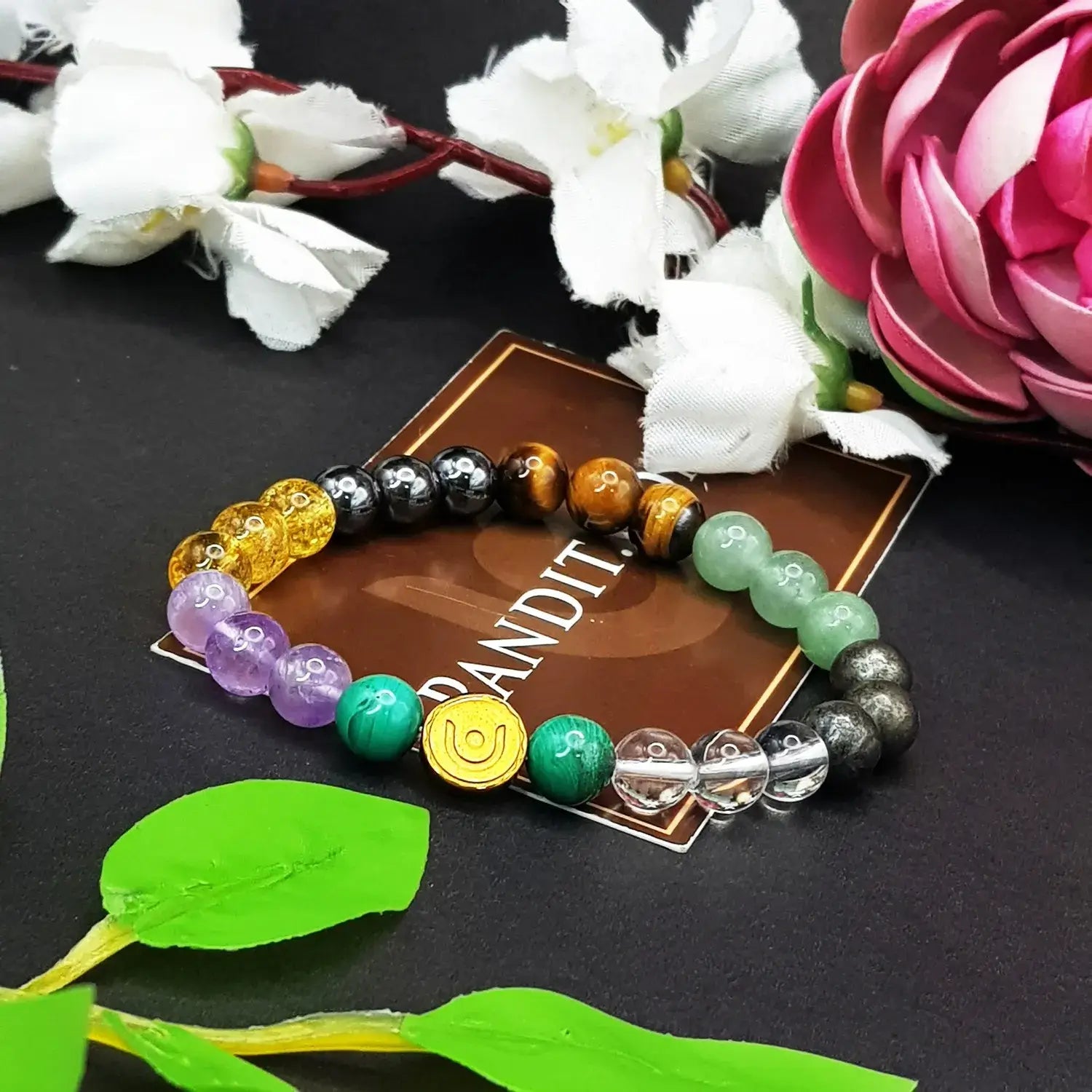
- A vow is taken on the day to observe the vrat with true devotion and faith. You can also wear a Tulsi Bracelet to energize your vrat intent on this particular day and to attain the divine blessings of Lord Vishnu.
- Fasters, or devotees, pray to Lord Vishnu and do puja with offerings like Tulsi leaves, fresh flowers, fruits, sandalwood paste, and Panchamrit.
- Mantras and bhajans related to Lord Vishnu are chanted, especially the Vishnu Sahasranama or Om Namo Bhagvate Vasudevaya.
- Devotees abstain from grains, onion, garlic, rice, beans, and lentils.
- The fast is kept from sunrise on Ekadashi to sunrise on Dwadashi (the next day).
- Jagran (The night vigil) is observed at night, reciting Vishnu bhajans and stories and meditating on the Lord.
- The next day, the fast is broken after sunrise, and food is offered to Brahmins or the poor.
- It’s always advisable to do charity on this day or even on regular days, too.
Final Notes
Knowing the stories of your deity connects you with them on a deeper level. From this Ekadashi vrat story, we understand the significance of helping others and serving others, upon which our deity feels pleased by us.
So, observe the vrat if you are also the one who is facing issues in having a child. Keep the vrat with true intent and following the right sacred rituals, consulting an expert such as Pt. Rahul Kaushl at pandit.com.
Chant with us "ॐ विष्णवे नमः"