

The time when Lord Shiva's vibrations spread in the skies and when Shiva’s energy is at its peak. It’s the divine time of the Sawan month. It’s the time when Sawan vrats are observed by Lord Shiv devotees.
‘Om Jai Shiv Onkara,’ let’s talk about the divine Sawan month, which speaks about Lord Shiva’s energy, his sacrifice, and the acts Shivji has done for everyone’s wellness.
The Sawan season typically arrives in July, and people who have faith in Shivji and are ardent Shiv bhakts observe Sawan fasts to express their love and devotion towards Lord Shiva.
The Sawan fast holds great significance in Hindu mythology, and in all the Hindu scriptures, you will get to know how this fasting tradition started, where it happened first, and what the holy significance behind it is.
Let’s first travel back to mythology, which explains the origin of Sawan Somwar Vrats:
Where & How Did This Tradition Begin?
The roots of Sawan vrats date back to Puranic lore, in texts like Shiva Purana and Skanda Purana. As per the scriptures, it’s not just the divine time when people keep vrats only, but it’s the time that reflects on a lot of things that happened in history. Let’s watch out, what is this tradition related to?
- Maa Parvati’s penance for Lord Shiva, which happened during this time. Lord Shiva was appeased with the tapa that Goddess Parvati did for him, and married her.
- It’s the holy time when Samudra Manthan also happened, when Lord Shiva drank poison, Halala, to save all of creation.
- The Vrats are also kept out of the spiritual awakening, when a person wants to embark on a religious or spiritual path or wants to surrender to Lord Shiva.
- To feel Lord Shiva close to oneself.
Shrawan Somvar Puja Vidhi—एक दिव्य सोमवार, शिव के नाम
"भोले के नाम का सावन आया है,
मन को भक्तिभाव से नहलाया है।"
a. The Morning Begins—Lord Shiva is awakened, so it’s the devotee’s turn as well.
The person must wake up during the brahmamuhurat timing, which is between 4 AM and 6 AM. For puja, the light-colored clothes must be worn only after taking a holy bath, mixing a few drops of Gangajal in the bathing water.
b. Creating A Corner For Shiv Puja in Home
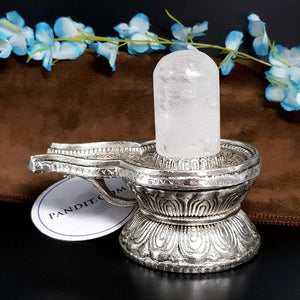
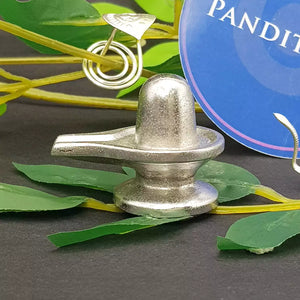
If you don’t have one, then create one and make sure you design it at the northeast corner of your home. Place a small Shivling or an image of Lord Shiva. The Shivling or an idol, must be placed by first keeping a small wooden platform in the mandir, keeping a clean white cloth on it. For Shivling, you can also keep a crystal Shivling with German Silver jalhari. Then light a diya, which will remove the negativity and bring in the divine presence.
c. Puja Samagri—Sacred Offerings
Consider the Puja samagri one needs for Puja, which is bel patra, milk, water, honey, yogurt, ghee, incense, camphor, sandalwood paste, white flowers, vibhuti, fruits, vrat-friendly sweets, and so on for bhog.
Shiv Puja Vidhi & Vrat Rituals
- Start by doing dhyan (meditation). Sit quietly and meditate on Lord Shiva’s form.
- Perform Abhishek, which is called the ritual bath.
- Offer Bel Patra to Shivji, and chant “Om Namah Shivaya” and “Om Mahadevaya Namah.”
- Apply sandalwood paste, offer flowers, light incense, and a diya in front of Shiva.
- Perform the Aarti with a diya and sing
“Om Jai Shiv Omkara”....
- If you have any wish or sankalp, then reflect on it and begin your fast with devotion.
- Choose the fasting based on your capacity, like nirjala, falahar, or partial.
- Avoid grains, onions, and garlic to eat on this day and eat only sabudana, samak rice, kuttu flour, and fruits.
- Drink plenty of water and chant mantras throughout the day.
The Importance of Aarti
Shiv Aarti is done at the end when the rituals are performed. It’s like a beautiful expression of love, devotion, gratitude, and surrender to Lord Shiva. The aarti is done at the end of puja or Abhishek.
It’s also done so as to invite the divine energy into lives and offer our complete selves to the supreme destroyer of ego and illusion. The flame of the diya in circular motion represents the cycle of birth, death, and rebirth that Lord Shiva governs. When sung in temples or at home, Shiv aarti reconnects us with our inner selves and reminds us of our peace and power we hold in ourselves.
In Closing
So, in the end, we can say that the Shravan Somvar Puja, when done with love, devotion, and surrender becomes your power, and it’s not just a way to seek divine blessings but is a path to self-discovery.
Therefore, when you do aarti next time, take the flowers in hands and when offering them to Lord Shiva, surrender your heart to him. He will bless you with eternal grace.
ॐ महादेवाय नमः