

Har Har Mahadev! Every year, Sawan Shivratri parv comes in July, when the Sawan month prevails. It’s the day specially dedicated to our Lord Shiva, remembering the event of Samudra Manthan that happened in the ancient times to save the universe.
Lord Shiva drank poison called Halahal to save the universe and gave Amrit to the Asuras and Devas. Therefore, the devotees of Lord Shiva keep four holy sawan vrats in the Sawan season and contemplate them on the day of Sawan Shivratri.
The Holiest Month: Month of Sawan
Sawan, which comes in July, is considered the most sacred month of the year. The Shiv bhakts perform Rudraabhishek and offer bel leaves, milk, and water to the Shiv Lingam.
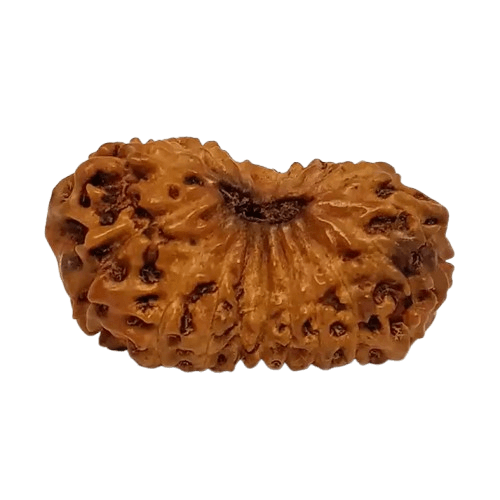
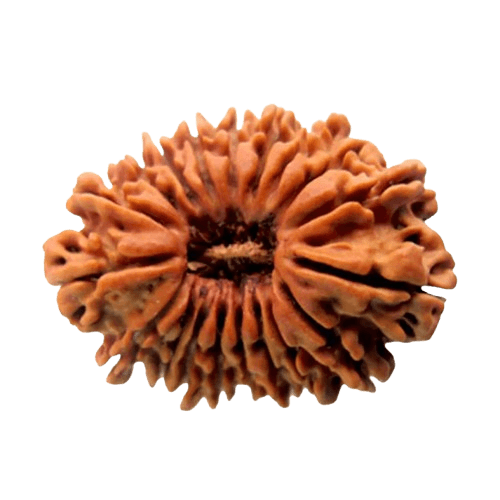
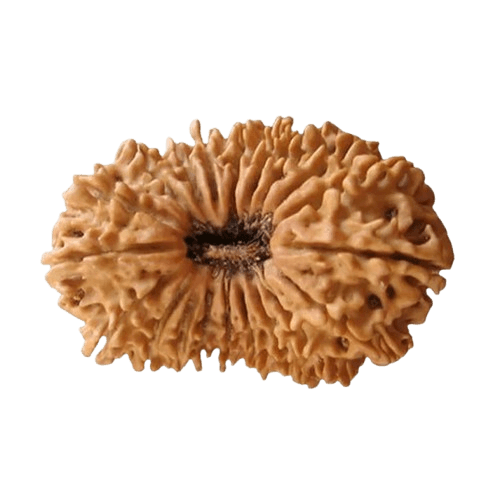
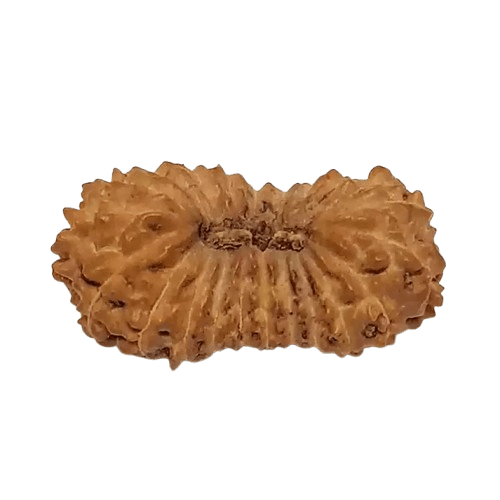
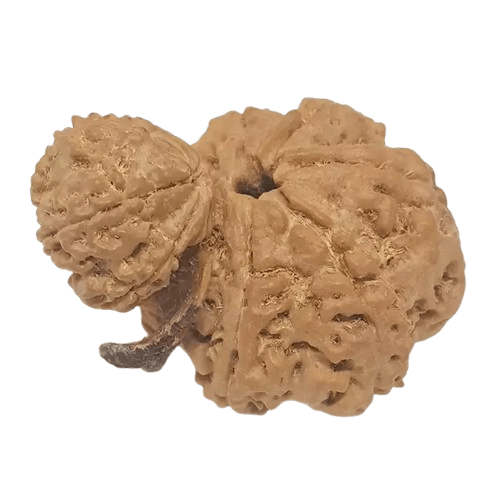
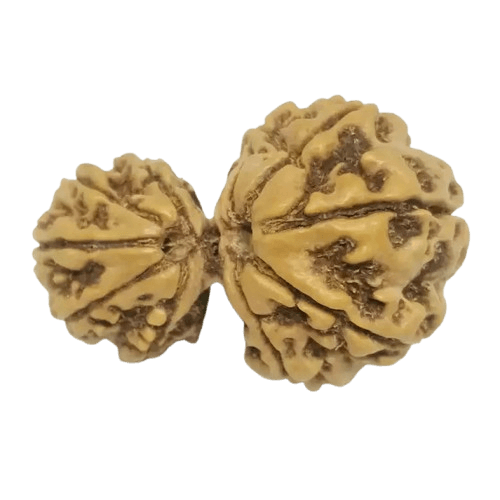
It is believed that worshipping and keeping fast this month help attain the divine blessings of Shiva, and people also embark on their path to Liberation (Moksha). Also, keeping Rudraksha, especially the Nine Mukhi Premium Rare Rudraksha helps one a lot in elevating oneself up to the highest divine energy of Lord Shiva.
As we are now acquainted with the holy reason why Sawan Shivratri is celebrated, here we will explain how in different states, this sacred festivity, the Sawan Shivratri night, is honored. So, let's check out:
- Uttar Pradesh & Uttarakhand
In states like U.P. & Uttarakhand, Kanwar yatra is organized in which the devotees collect Ganga Jal from Haridwar, Gangotri, and Prayagraj. Then they walk barefoot, carrying Gangajal in the decorated pots and then offer it to Shiva temples.
The Key Temples Where They Go:
- Kashi Vishwanath (Varanasi): to perform Grand Maha Rudrabhishek
- Pashupatinath Temple (Uttarakhand): A Special aarti is done using Himalayan herbs.
- Tamil Nadu
In southern states such as Tamil Nadu, people usually visit Lord Shiva temples to perform Shaivaite traditions. The core beliefs of Shaivism are:
- Shiva is the ultimate reality; he is the creator, preserver, and destroyer.
- Non-Dualism & Dualism (Advaita & Dvaita)
- Liberation through Shiva bhakti: Devotion, yoga, and knowledge, which leads to Moksha
- The Sacred Lingam: The Shiva Lingam symbolizes Shiva’s formless, infinite nature.
- Abhishekam with Panchamritam (milk, honey, yogurt, ghee, sugar)
- Recitation of Thevaram hymns from Shaivite Tamil scriptures.
- Maharashtra
The Sawan Shivratri in Maharashtra is celebrated with Dhol-tasha & spiritual fervor. Massive crowds gather at Bhimashankara Jyotirlinga chanting “Om Namay Shivaya.” At Trimbakeshwar (Nashik), special Jalabhishek is done using holy Godavari water.
- Dhol-Tasha Pathak called drum processions pass through the streets for celebration with devotion and energy for an enhanced spiritual experience.
- Women also contemplate the four fasts of Mahashivratri on this day.
- Gujarat
Key temples where people go in Gujarat are Somnath Jyotirlinga, and they do Maha Aarti by conch blowing. Worshippers also visit Dwarkadhish temple on this day to worship Shiva and Krishna on this day.
Some also keep nirjala vrat, called "waterless fasting, typically on this day. Garba is also performed in temple courtyards.
- Himachal Pradesh
- In Himachal Pradesh, people visit temples like the Baijnath temple in Kangra the most, as there is an ancient stone of Shiva Lingam for worship.
- Another temple is the Hadimba Temple in Manali.
- Devotees offer deodar leaves instead of Bilva or bel leaves there.
- Folk dances are performed in this particular place named Nati around bonfires. It’s a dance, which is specially performed in Himachal, commemorating a bonfire ritual and singing folk songs for beloved deities.
- West Bengal
There are two main temples in West Bengal where devotees go on this day of Sawan Shivratri, named the Tarakeshwar Temple and the Kalighat Kali temple.
- At Tarakeshwar Temple, tantric puja is done, offering dhatura flowers to the deity.
- At Kalighat Kali temple, Shiva and Kali are worshipped on this day.
- The Aghori Sadhus perform meditation on cremation grounds.
- Bhang is offered as prasad after the tantra puja is done.
- Rajasthan
There are numerous temples where people go in Rajasthan on this day, which is Eklingji temple in Udaipur and Mehrangarh Fort in Jodhpur. Rajput-style Shiva worship is done in these temples. The devotees sing Vedic hymns, offer flowers and fruits, and worship the deity.
In Conclusion
So, these were some of the customs and traditions people follow on this day. Following these rituals, people feel connected to their beloved lord in different forms.
You also perform the rituals special to your region to remember the tap and sacrifice of Shiv ji and attain his divine blessings.
Need to know which traditions resonate with your state? Get in touch with us at pandit.com, where you will be provided with guidance by our Mahaguru and Astrology Expert, Pt. Rahul Kaushl.
ॐ नमः शिवाय!