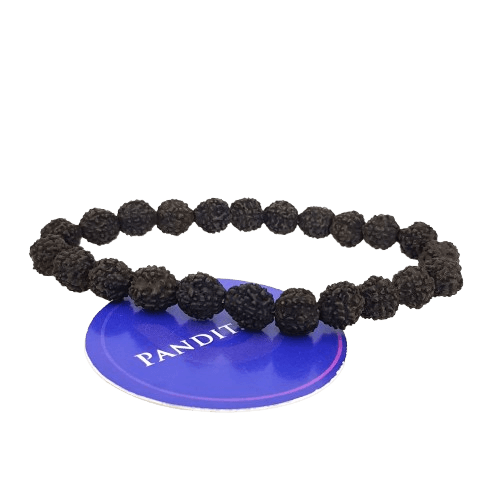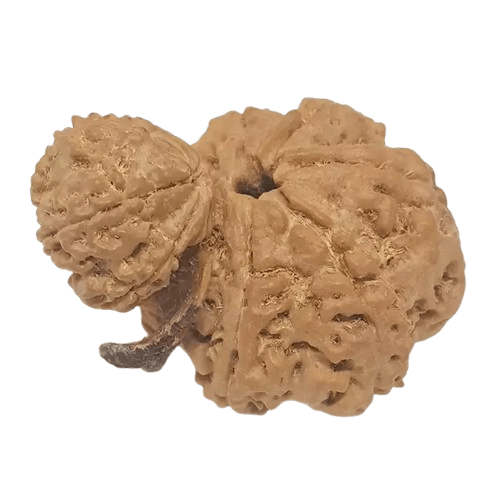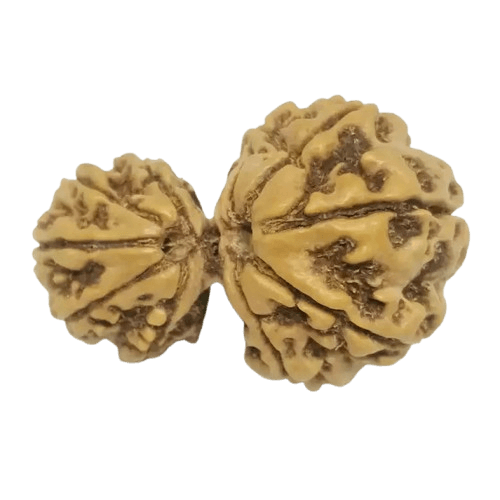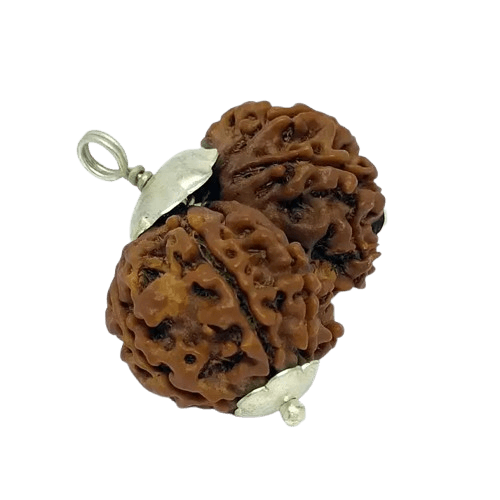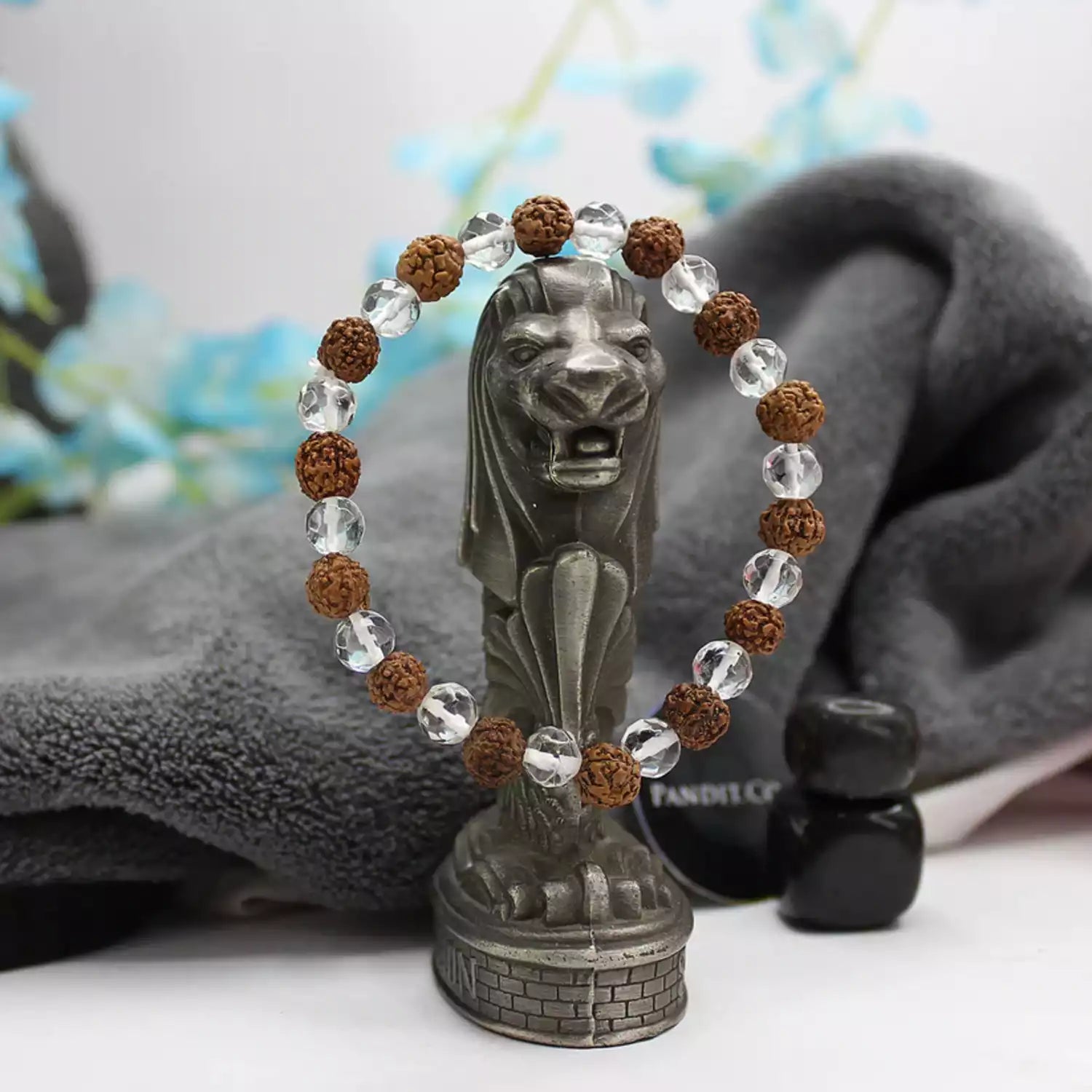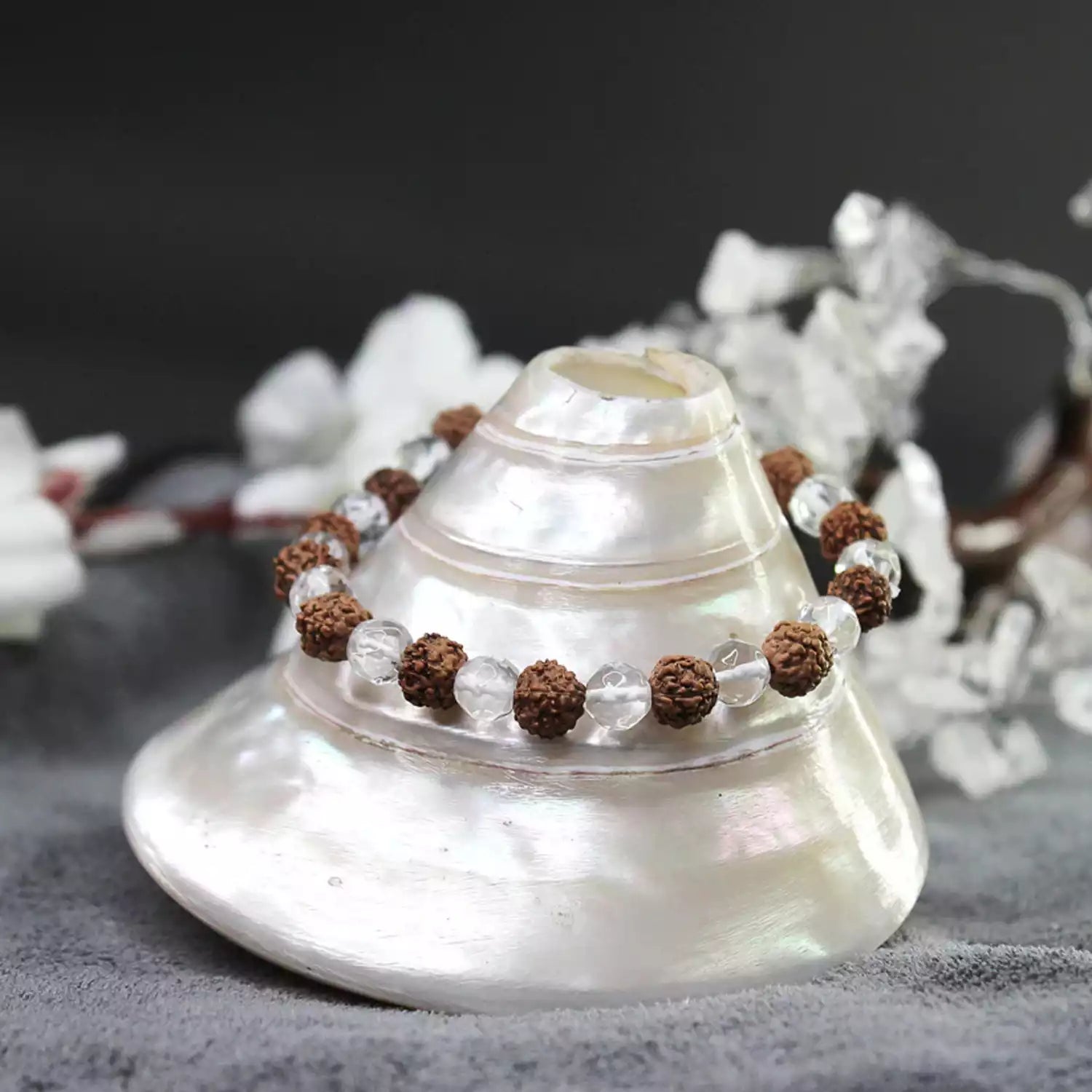


Rudraksha has long been revered in Indian spiritual traditions as a symbol of divine energy, protection, and inner transformation.
Saints, yogis, and spiritual practitioners have worn these sacred beads for centuries, believing them to be blessings from Lord Shiva himself.
As Rudraksha regained popularity through yoga, meditation, and holistic wellness, its global demand surged — and with it, questions about authenticity, quality, proper usage, and practical risks.
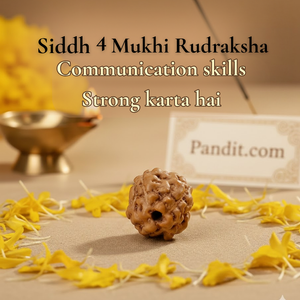
Today, the market is flooded with counterfeit beads, machine-polished imitations, dyed seeds, and artificially manipulated Mukhis (faces or clefts), making it increasingly difficult to identify an original 4 Mukhi Rudraksha in India or any other authentic Rudraksha.
With so many options and so much misinformation, people often feel confused about how to choose a genuine Rudraksha and ensure it is spiritually effective.
This blog serves as an ultimate guide to Rudraksha authenticity, real-life concerns, usage guidelines, and practical considerations, whether you are a spiritual seeker, a wellness enthusiast, or simply someone curious about its benefits.
What Makes Rudraksha Sacred? The Mythological and Botanical Truth
Mythological Perspective
According to ancient scriptures such as the Shiva Purana and Padma Purana, Rudraksha beads originated from the tears of Lord Shiva.
When Shiva opened his eyes after a long meditation, a few drops of tears fell to Earth and grew into the Rudraksha tree. Because of this divine origin, each bead is believed to hold:
- spiritual protection
- emotional balance
- mental clarity
- healing vibrations
Botanical Reality
Scientifically, Rudraksha is the dried seed of the tree Elaeocarpus Ganitrus, found primarily in:
- Nepal
- India (Uttarakhand, Himachal)
- Indonesia
- Sri Lanka
- Malaysia
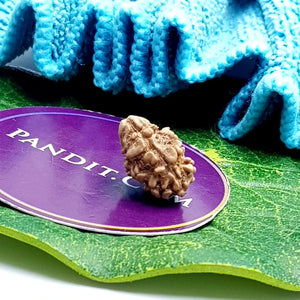
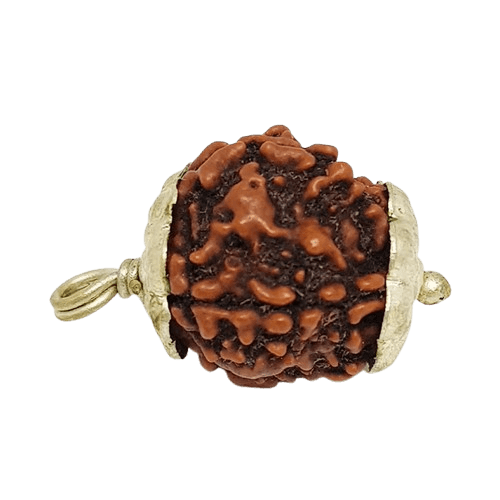
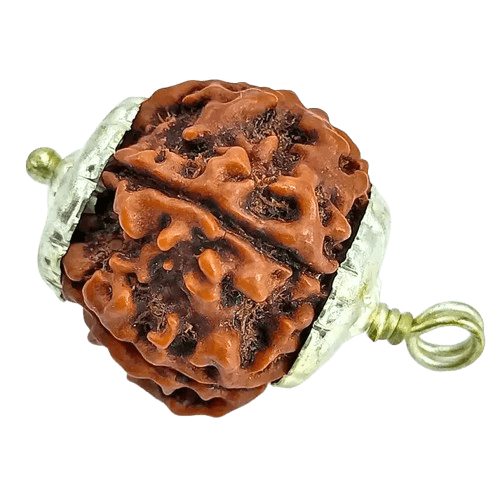
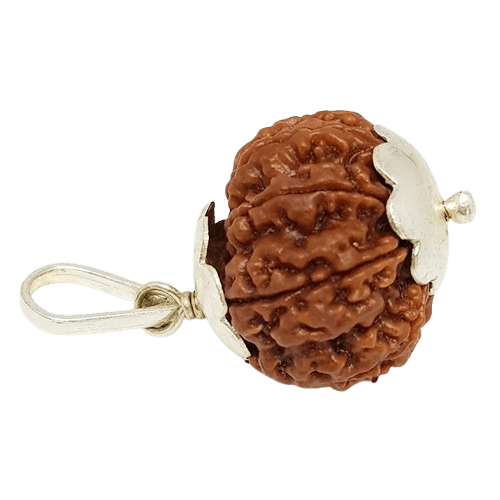
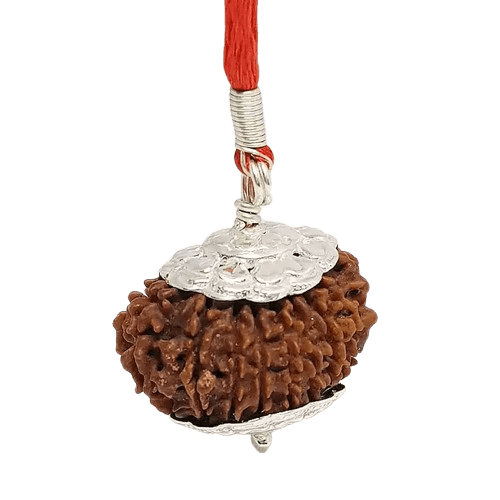
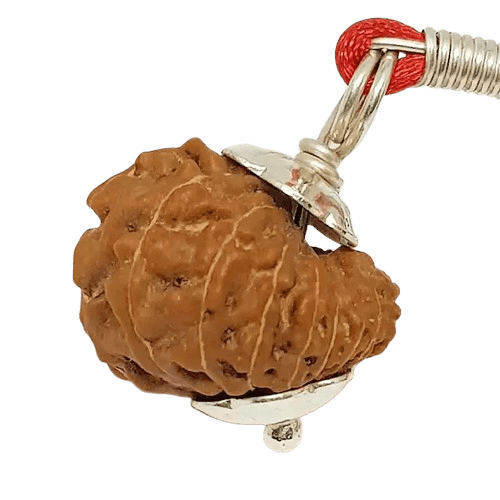
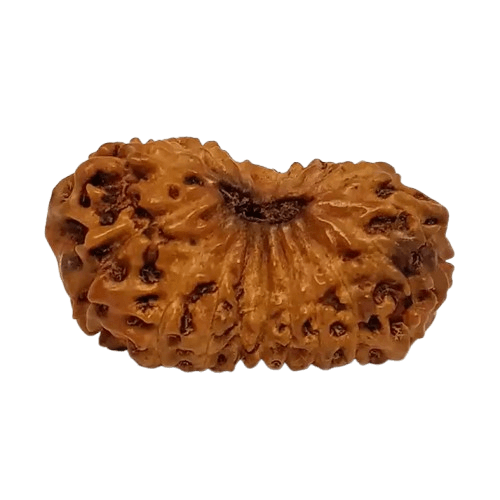
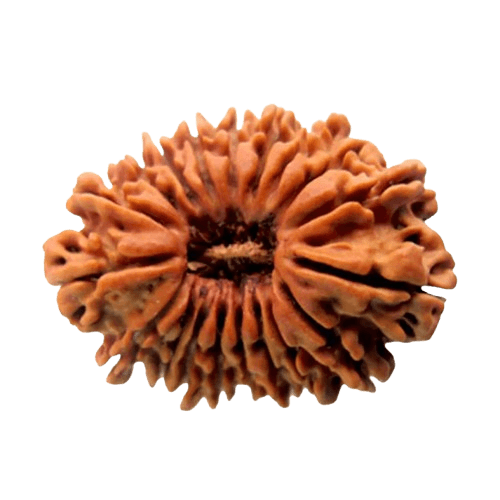
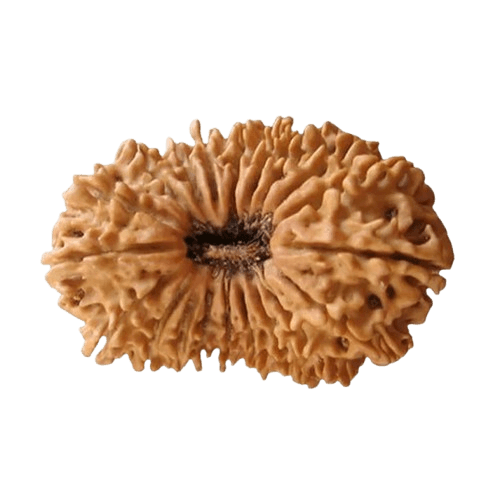
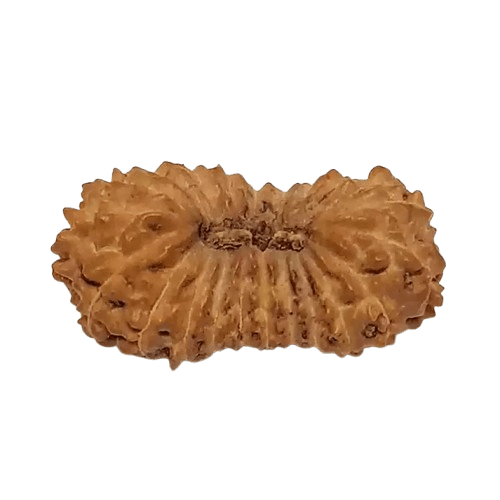
Genuine Rudraksha has natural clefts called Mukhis, ranging from 1 to 21 faces. Each mukhi type possesses different structural properties and is associated with different energies. Many people choose a Rudraksha for confidence growth in India based on the unique spiritual properties associated with different Mukhi types.
Why Rudraksha Authenticity Matters
Buying a fake Rudraksha is not just a financial loss — it defeats your spiritual purpose.
Counterfeit beads:
- lack natural bio-electric properties
- do not resonate with the body’s electromagnetic field
- offer no spiritual or emotional benefits
- may even cause irritation or skin issues if polished with chemicals
Real Rudraksha beads have a unique internal structure composed of natural canals and compartments, which help regulate the wearer’s energy.
Authenticity ensures:
- proper energy flow
- genuine therapeutic benefits
- spiritual protection
- long-term durability
Given the rising demand, fake beads have become common, making it crucial to understand how to test and verify real Rudraksha.
Common Types of Fake Rudraksha Found in the Market
The market is flooded with clever imitations. Knowing what to watch out for protects you from deception.
1. Wood Carved Beads
Cheap wooden beads carved to mimic natural Mukhis.
Problems:
- no weight
- no internal channels
- carved lines look too perfect
2. Molded Plastic Beads
Mass-produced and easy to identify, though polished to look appealing.
3. Areca Nut (Supari) Beads
These are the most common fake Rudraksha found in India.
Clues:
- Light in weight
- Very smooth
- Lacks natural texture
4. Glued or Joined Mukhi Beads
Lower mukhi beads are sometimes cut and joined to create rare numbers like 14, 15, or 21 mukhi. Skilled artisans create near-perfect fakes.
5. Chemically Dyed Beads
Beads are dipped in dark brown dye to appear older or more powerful.
6. Artificially Enhanced Mukhi
Some sellers artificially deepen or carve Mukhis to increase bead value.
How to Identify Original Rudraksha vs Fake
Here are the reliable and scientifically-backed methods to check authenticity.
1. Visual Inspection
A genuine bead has:
- naturally formed deep lines
- unique surface texture
- no identical pattern
- slight irregularity (nature is never perfectly symmetrical)
If two beads look exactly the same, at least one is fake.
2. Water Test (Useful but Not Foolproof)
Place the Rudraksha in water:
- Genuine beads do not float
- But some fakes may also sink, and some genuine beads (especially very old ones) may float
Therefore, use this test only as an initial check.
3. X-Ray Test (Most Reliable)
X-rays can verify:
- natural internal chambers
- whether Mukhis extend all the way inside
This is the gold standard for checking high-value beads.
4. Copper Coin Test
Some claim Rudraksha rotates when placed between copper coins because of electromagnetic properties. This is partially true, but not a defining test. Results vary by bead size and dryness.
5. Density Test
Genuine Rudraksha is heavier due to its internal structure. Fakes made from wood or supari are lighter.
6. Touch & Feel
A real Rudraksha feels:
- rugged, textured
- slightly heavier
- not perfectly round
- deeply grooved
Should You Buy Nepali or Indonesian Rudraksha?
Both are authentic, but they differ in structure.
Nepali Rudraksha:
- Larger in size
- More distinct mukhi lines
- Stronger energy
- More expensive
- Ideal for spiritual practice or healing
Indonesian Rudraksha:
- Smaller and smoother
- Multiple beads can be worn as a mala
- Softer energy
- More suitable for beginners
Verdict:
If you want stronger results, choose Nepali Rudraksha. If you prefer mild energy or budget-friendly options, go for Indonesian Rudraksha.
Common Myths & Misconceptions about Rudraksha Beads
Buying a real bead is one thing—using it is another. Many people worry about personal rules, side effects, and maintenance. Let's address the practical concerns or common myths.
6.1. Can Anyone Wear Rudraksha?
Yes. According to scriptures, Rudraksha is universal.
It does not discriminate based on:
- gender
- religion
- caste
- marital status
- age
Even children can wear it.
6.2. Are There Side Effects?
Genuine Rudraksha is completely natural. The only issues arise when:
- beads are fake
- beads are chemically polished
- wearer is allergic to the thread or metal used
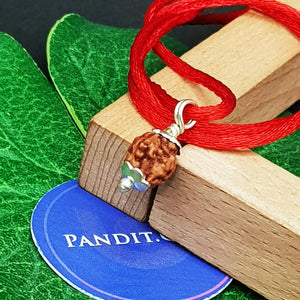
If you experience irritation, try replacing the thread with cotton or silver.
6.3. Is It Mandatory to Follow Food Restrictions?
No. This is a common myth.
You can wear Rudraksha even if you:
- eat non-vegetarian food
- drink tea or coffee
- take medicines
However, many spiritual practitioners naturally develop cleaner habits after wearing it because Rudraksha calms the mind.
6.4. Can You Wear Rudraksha While Sleeping or Bathing?
Sleeping:
Yes, but ensure the bead is not crushed.
Bathing:
Avoid wearing Rudraksha in:
- hot water
- chlorinated water
- soaps or shampoos
These can damage the bead over time. Remove Rudraksha before showers to extend lifespan.
6.5. Does Rudraksha Attract Negative Energy?
No.
In fact, genuine Rudraksha repels negativity and stabilizes your aura.
But fake, chemically processed, or damaged beads offer zero protection.
Caring for Rudraksha: Maintenance Mistakes to Avoid
Proper care for a rudraksha ensures your bead lasts decades.
How to Clean Rudraksha
Do this once every 15–30 days:
- Dip it in pure water for 5–10 minutes
- Use a soft brush to remove dust
- Wipe gently with a cloth
- Apply a tiny amount of natural oil (sesame or almond)
- Let it air-dry before wearing
This prevents cracking or drying out.
Storage Tips
- Keep in a cotton or silk pouch
- Avoid plastic boxes
- Keep away from direct sunlight or heat
Why Lab Reports & Trustworthy Sources Matter?
With fake beads everywhere, certification has become important. As a result, lab reports and trustworthy sources to buy original rudraksha are crucial.
Trusted certification types include:
- X-ray analysis
- Microscopic testing
- Seed authenticity verification
But remember: Certification is only as reliable as the organization issuing it.
Many small sellers print fake certificates. Choose labs with strong credibility.
Rudraksha Price Guide: Understanding Value
Prices vary depending on:
- mukhi type
- size
- origin
- surface condition
- availability
Common Mukhis (4, 5, 6) → affordable and powerful
Rare Mukhis (11, 13, 14, 15, 21) → higher cost
Gauri Shankar & Ganesh Rudraksha → premium range
Always compare prices from multiple sellers. Extremely cheap beads are usually fake.
Where to Buy Authentic Rudraksha?
Choose sellers who:
- provide X-ray reports
- allow returns or replacements
- source directly from Nepal or Java
- have reputation and transparency
- avoid dyeing or polishing
- sell unbroken, natural beads
Avoid street vendors or unknown online sellers.
The Spiritual & Scientific Power of Genuine Rudraksha
Many modern studies show Rudraksha contains:
- natural inductance
- stable magnetic properties
- dielectric properties
- the ability to harmonize bio-energy
This explains why genuine beads:
- improve focus
- reduce stress
- help in meditation
- regulate heart rate
- stabilize mood
- improve emotional well-being
Fake beads do none of these.
Do’s & Don’ts When Buying Rudraksha
Before purchasing, ask yourself:
- Is the bead naturally textured with real mukhi lines?
- Did the seller provide real X-ray proof?
- Does the bead feel slightly heavy?
- Are there no signs of carving or artificial shaping?
- Does the seller have strong reputation?
- Is the bead untreated and undyed?
- Does the price seem reasonable—not too low to be suspicious?
Consider these Do’s & Don’ts When Buying Rudraksha. If the answer to all the above is yes, you can trust the bead.
Conclusion: Navigating the Rudraksha Market with Confidence
Rudraksha is not just a bead — it is a tool for inner peace, clarity, and spiritual alignment.
But its rising popularity has led to a flood of counterfeits, making it more important than ever to understand authenticity and practical usage.
By educating yourself about:
- how real beads look
- how to detect fake ones
- how to wear and maintain them
- where to buy trustworthy Rudraksha
You can ensure that the bead you wear is genuine, powerful, and spiritually uplifting.
A real Rudraksha transforms your energy. A fake one only decorates your wrist.
Choose wisely, stay informed, and let the sacred energy of Rudraksha guide your path.
Frequently Asked Questions
General InformationQ: Should Rudraksha feel heavy or light?
A: Authentic Rudraksha are generally light. Extremely heavy beads can indicate resin-filled or artificial versions.
Q: Will Rudraksha change color over time?
A: Yes, slight darkening is normal due to body heat, oils, and regular use. It does not affect authenticity or effectiveness.
Q: Is it normal for Rudraksha to have cracks?
A: Small surface cracks are normal and natural. Deep or uniform cracks may indicate old, low-quality, or poorly maintained beads.
Q: Do Rudraksha beads expire or lose their power?
A: No. When cared for properly, they remain effective for decades. Many are passed down through generations.
Q: Why do some Rudraksha have different shapes?
A: Natural variations occur. Authentic beads can be oval, round, or slightly irregular. Uniform shapes might be artificially modified.
Authenticity, Quality & TrustQ: How can I tell if a Rudraksha is genuine?
A: A real Rudraksha has natural grooves (mukhis), irregular texture, and lightweight feel. When placed in water, genuine beads usually sink, though this is not the only test. Always purchase from trusted, certified sellers.
Q: Are fake Rudraksha beads common?
A: Yes. Many cheaper beads are dyed, polished, or artificially carved. High-value Mukhis, like 1, 14, or 21 Mukhi, are often counterfeited. Certification and seller credibility are crucial.
Q: Should Rudraksha come with a certificate?
A: Yes. Authentic sellers provide a lab certification verifying natural origin, number of mukhis, and bead quality. Avoid uncertified high-priced pieces.
Q: Can Rudraksha be machine-made or artificially carved?
A: Fake or altered beads exist, but genuine Rudraksha seeds cannot be machine-made. Artificial carving changes the natural energy and should be avoided.
Q: Does size matter for authenticity?
A: No. Rudraksha beads come in many sizes naturally. Authenticity depends on natural formation—not size.
Suitability & SelectionQ: Can Rudraksha be worn by anyone?
A: Yes. Age, gender, religion, and background do not restrict who can wear Rudraksha. The only concern is choosing a comfortable size and good quality.
Q: Can I wear multiple Rudraksha together?
A: Yes. Different Mukhis can be combined unless specific spiritual traditions advise otherwise. Just ensure all beads are genuine.
Usage & CareQ: Do I need to energize or activate Rudraksha before wearing?
A: Some prefer cleansing and energizing through mantras or meditation, though authenticity does not depend on “activation.” It’s more about personal connection and intention.
Q: Can Rudraksha get damaged by water or sweat?
A: Rudraksha can handle water and sweat but prolonged soaking can weaken the thread. Occasional oiling with natural oils helps preserve the beads.
Q: Can I wear Rudraksha while sleeping?
A: Yes, but choose a softer mala or smaller beads for comfort. Some prefer removing it at night to avoid tension on the thread.