

Shree Yantra

Sort by:






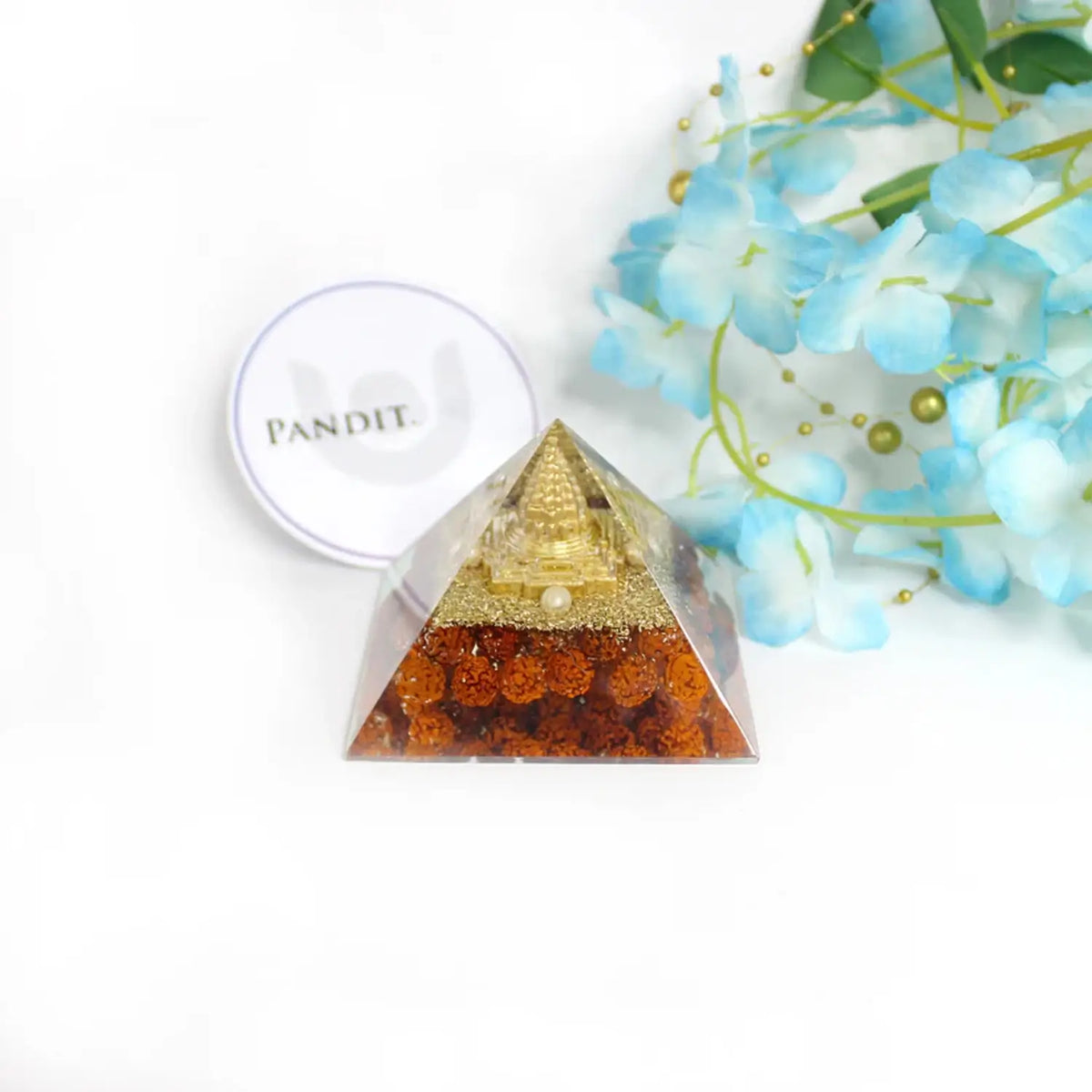
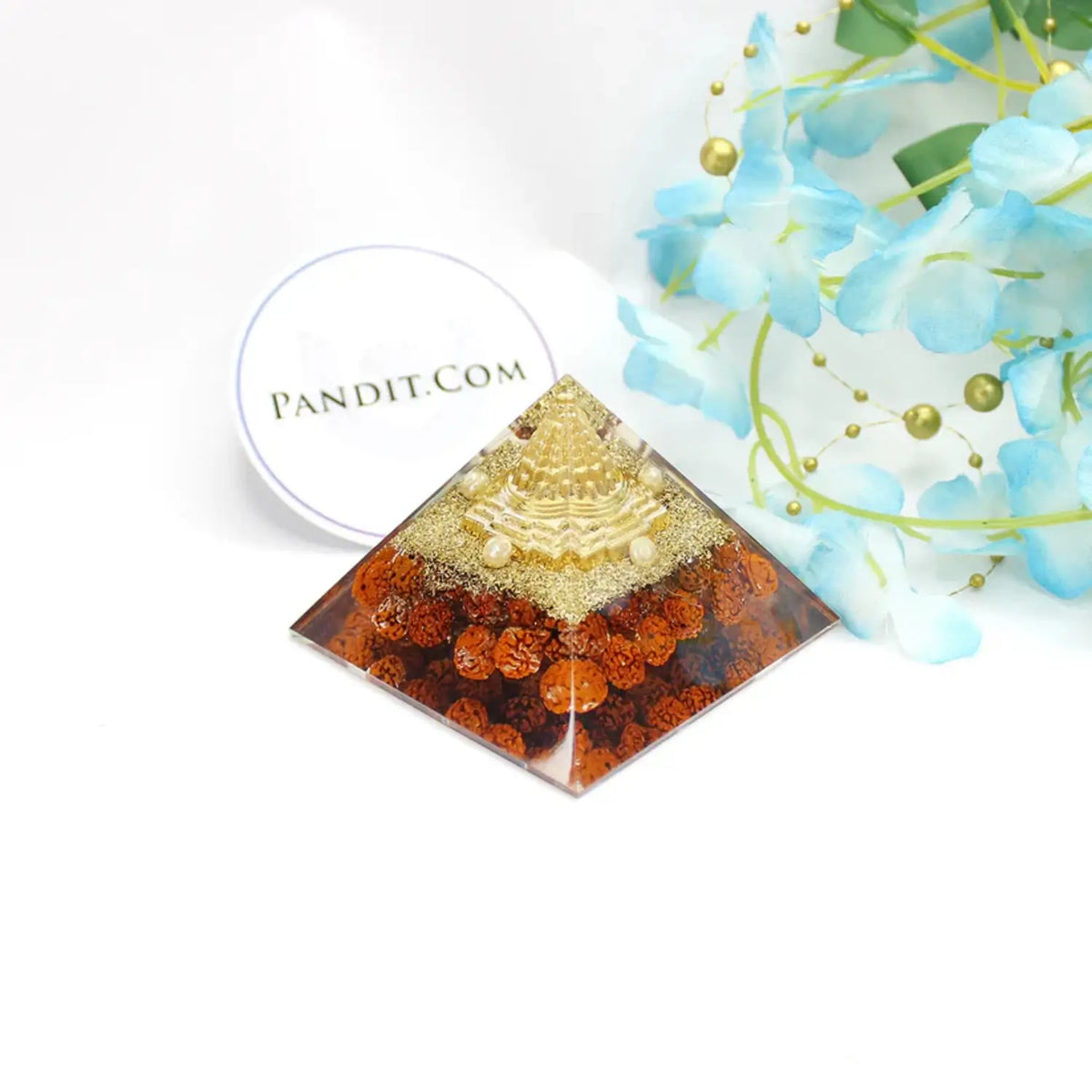


5 sizes available


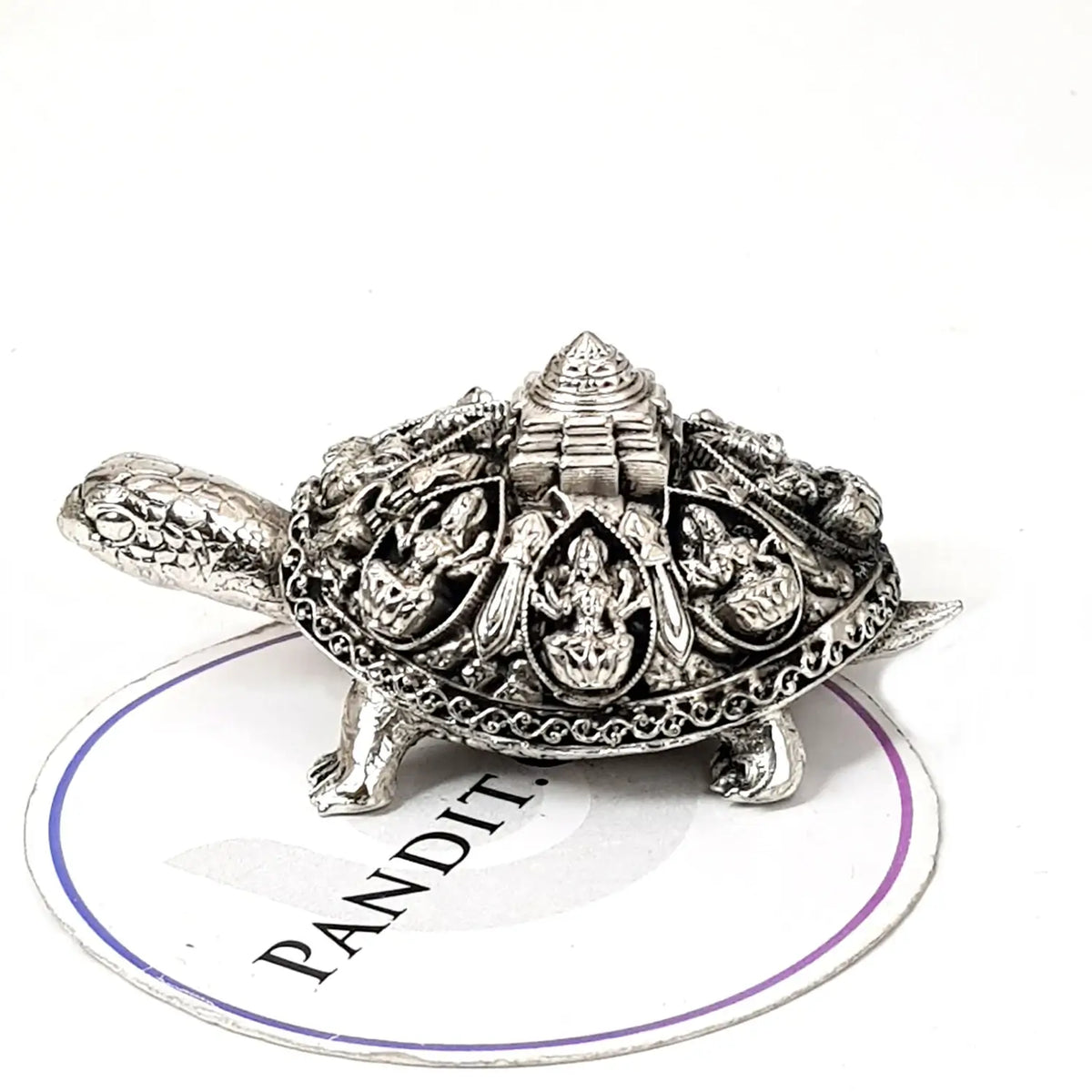
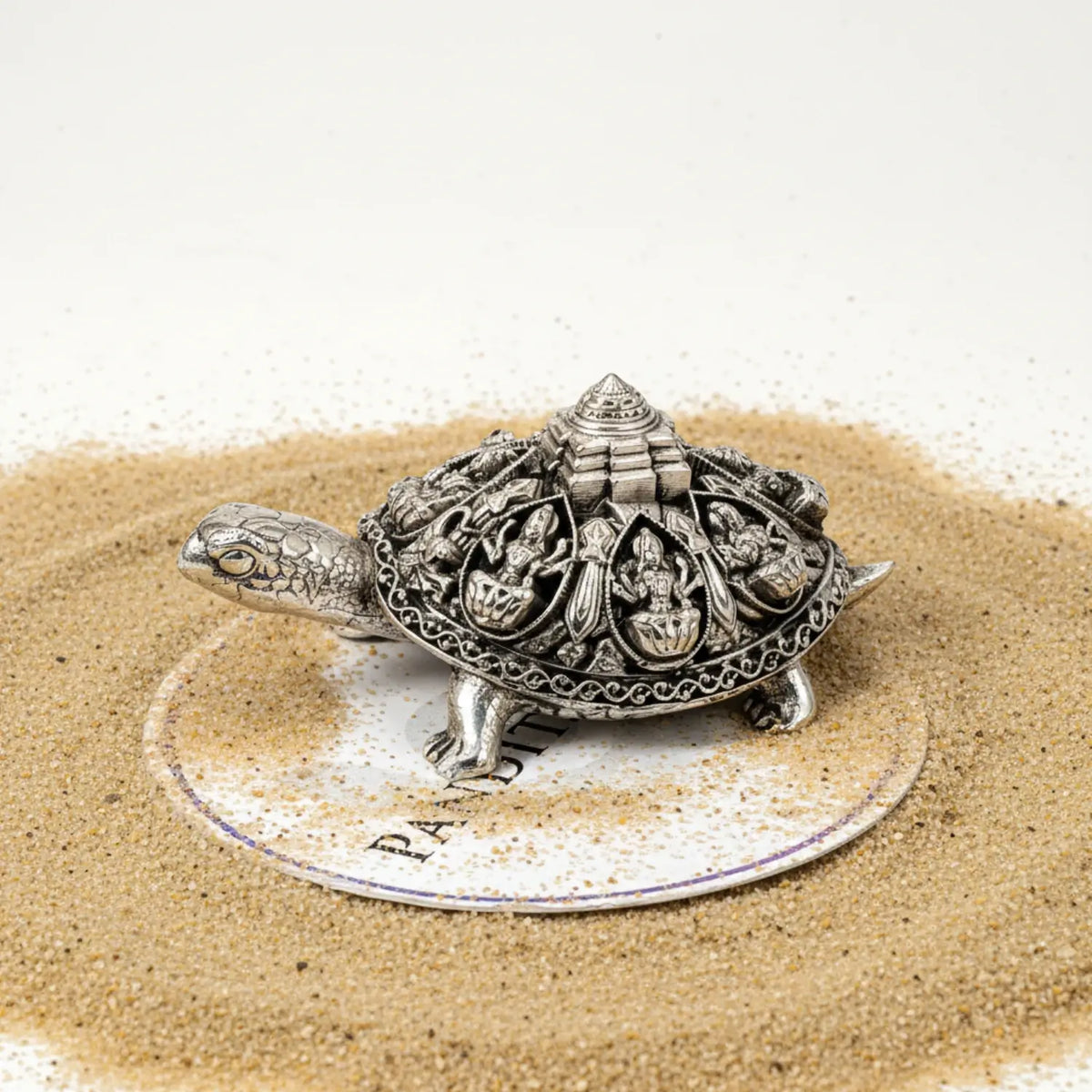
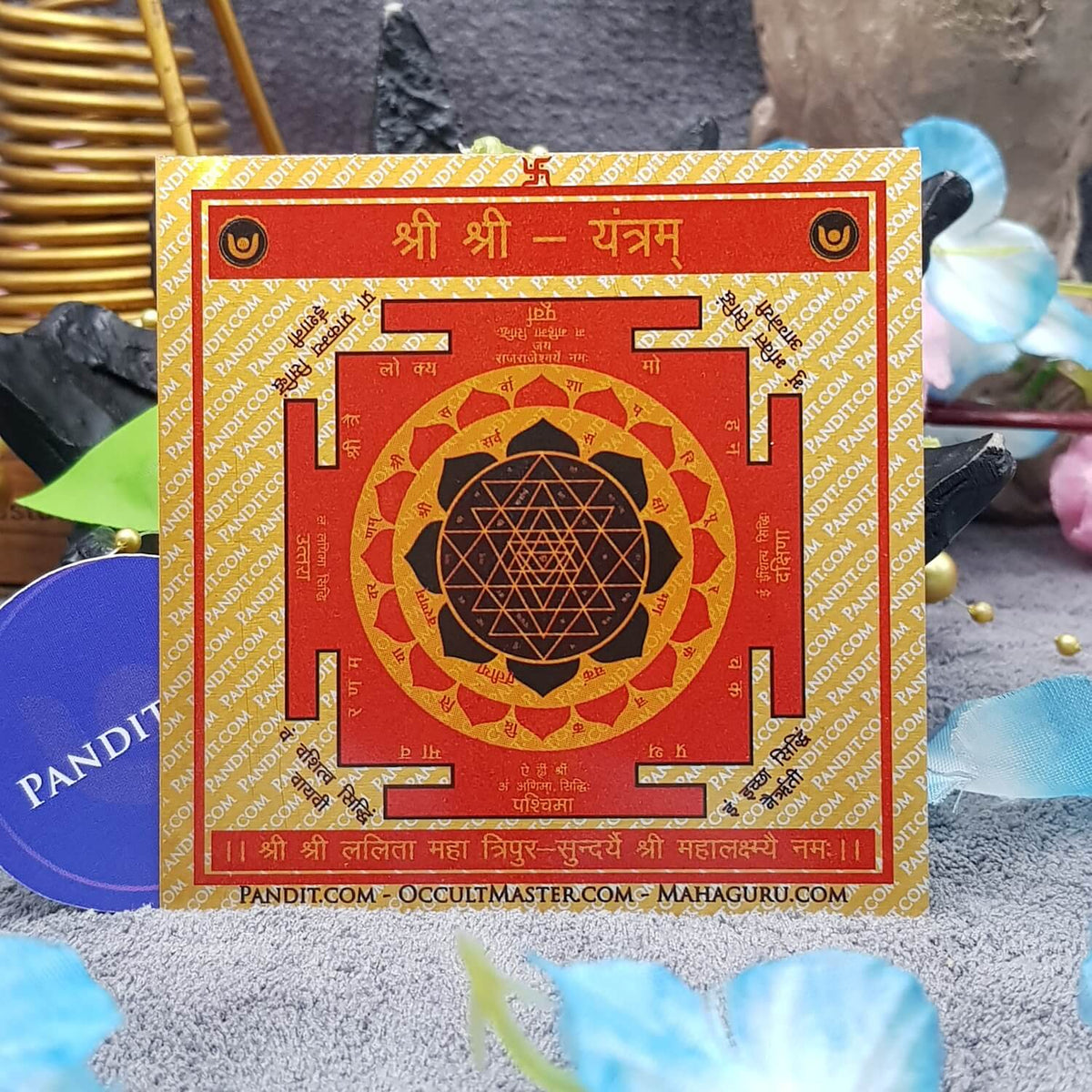
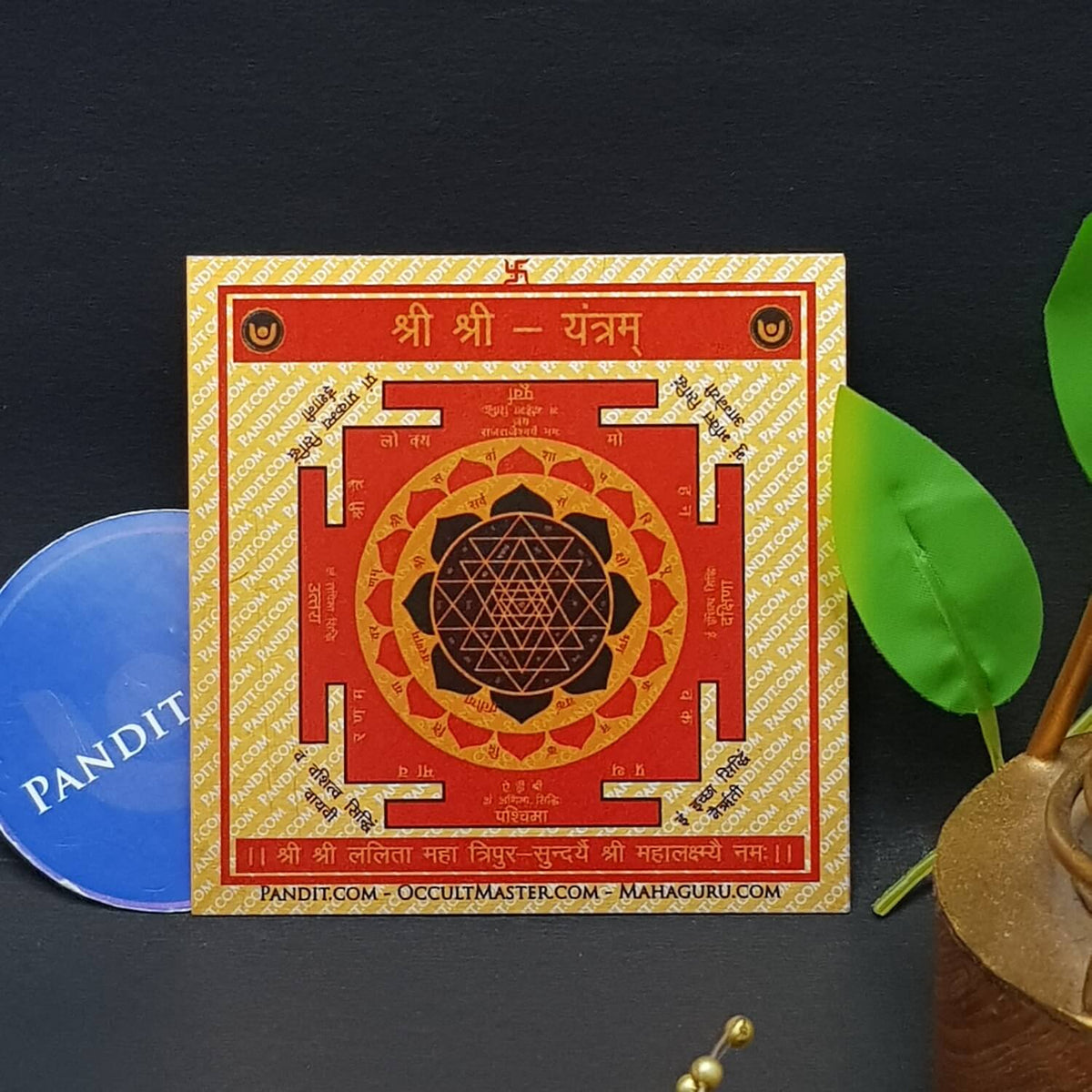
The Shri Yantra, also called the Sri Chakra, is the yantra of Devi Lalita Tripura Sundari and is worshipped in Indian homes as the seat of Mahalakshmi. Pandit.com offers it in copper, brass, gold-plated metal, parad, sphatik, karungali and pyrite, as a flat yantra, a pyramid and a tortoise-mounted form. Each piece is selected under Pt. Rahul Kaushl, and this page explains what the yantra is, how to choose the right material, and how it is traditionally installed.
What is the Shri Yantra?
The Shri Yantra is a geometric form of the Devi. At its centre is the bindu, the point of origin. Around it, nine triangles interlock: four point upward and represent Shiva, five point downward and represent Shakti. Together they form 43 smaller triangles, enclosed by an eight-petal lotus, a sixteen-petal lotus, three circles and a square outer boundary with four gates, the bhupura.
Adi Shankaracharya describes this arrangement of four Shiva and five Shakti chakras in verse 11 of the Saundarya Lahari. In the Shri Vidya tradition the yantra is worshipped as nine enclosures, the navavarana, each leading the practitioner closer to the bindu.
Flat, Meru or tortoise form
A flat Shri Yantra (bhu-prastha) is engraved on a plate and is the form most often kept in a home temple. The Meru form raises the same geometry into three dimensions. A Shri Yantra mounted on a tortoise follows the kurma form, which is associated with stability. Choose the flat form for daily puja, and a raised or tortoise form for a desk, locker or display.
How to choose your Shri Yantra by material
| Material | Traditionally chosen for | Best kept in |
|---|---|---|
| Copper | Daily puja; copper is a classical metal for yantra engraving | Home temple |
| Brass or gold-plated | A lasting display piece with a warm finish | Home temple, office |
| Parad (mercury alloy) | Worship as a solid, self-standing form | Home temple |
| Sphatik (clear quartz) | Meditation and a calm puja space | Meditation corner |
| Karungali (ebony) | Those who keep karungali, traditionally linked with Mangal | Home temple, desk |
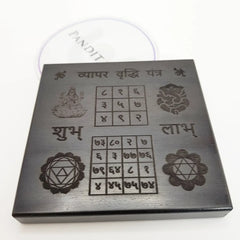
| Pyrite, selenite, shaligram | Combined with another sacred material | Desk, locker, altar |
How to install a Shri Yantra at home
Traditionally, a Shri Yantra is installed on a Friday, the day of Shukra and Lakshmi, during the bright fortnight (Shukla Paksha), or on Dhanteras, Diwali or Akshaya Tritiya.
- Clean the yantra with gangajal and place it on a red or yellow cloth.
- Keep it in the north-east of the home or puja room, with the yantra facing east or north.
- Offer a lamp, incense, red flowers and kumkum at the bindu.
- Recite the Shri Suktam, or chant the name of Mahalakshmi 108 times.
- Light a lamp before it daily. Re-clean it on Fridays.
If you would like the yantra chosen for your birth chart, consult Pt. Rahul Kaushl before you buy.
Frequently asked questions
Which Shri Yantra is best for the home?
For daily puja, a copper or brass flat Shri Yantra is the traditional choice. A parad or sphatik Shri Yantra suits a household that wants a solid form for worship or meditation.
Where should a Shri Yantra be placed?
Traditionally in the north-east of the home or puja room, facing east or north, at or above chest height, on a clean cloth.
Which day is best to install a Shri Yantra?
A Friday in Shukla Paksha is the traditional choice, as are Dhanteras, Diwali and Akshaya Tritiya.
What is the difference between a flat and a Meru Shri Yantra?
Both carry the same geometry. The flat form is engraved on a plate, while the Meru form raises the nine triangles into a three-dimensional pyramid.
Can a Shri Yantra be kept in an office or shop?
Yes. A brass, gold-plated or pyrite Shri Yantra is often kept near the cash counter or on the desk, facing east or north.
Is Shri Yantra the same as Sri Yantra or Shree Yantra?
Yes. Shri, Sri and Shree are spellings of the same Sanskrit word, and the yantra is also called the Sri Chakra.