

Yantras

Sort by:


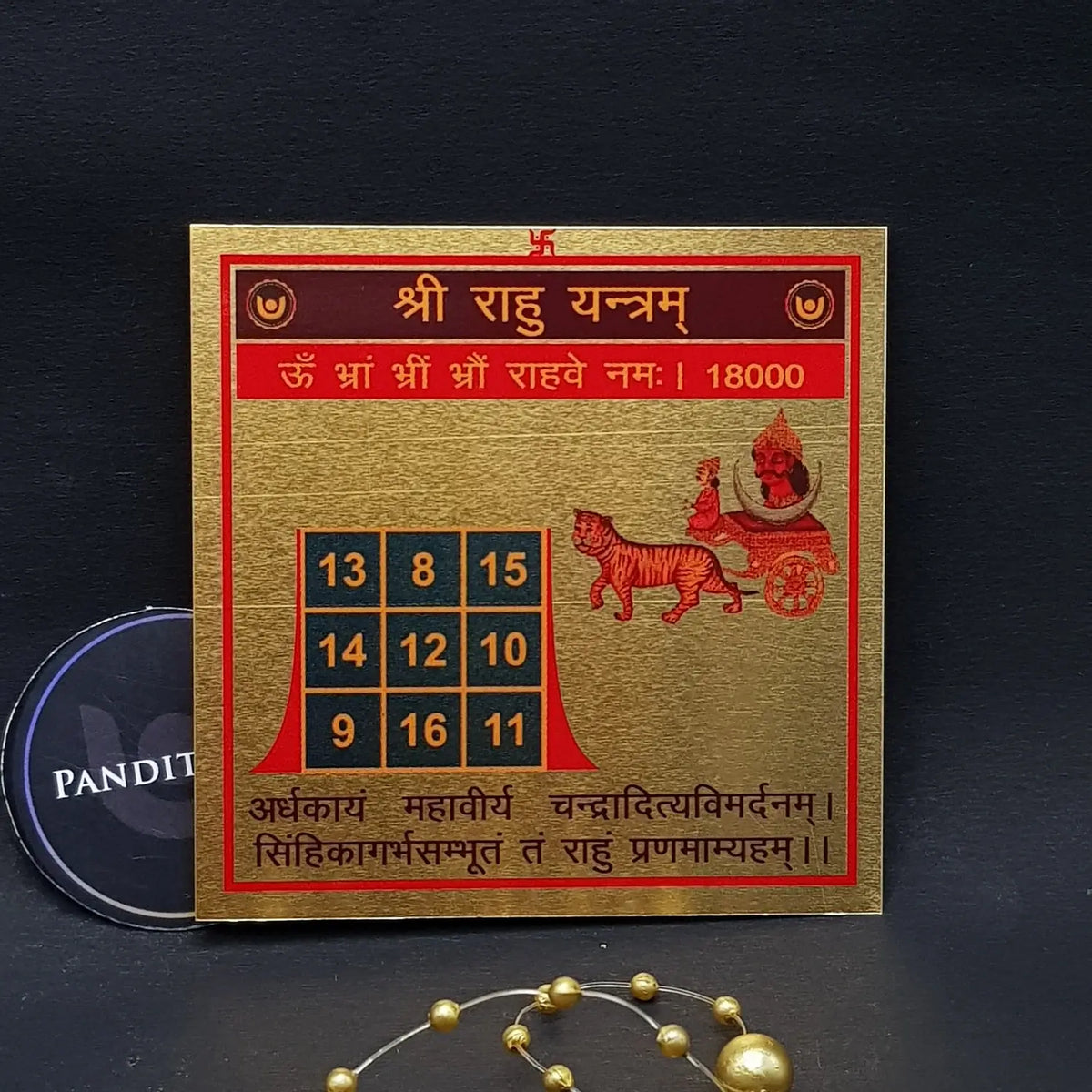


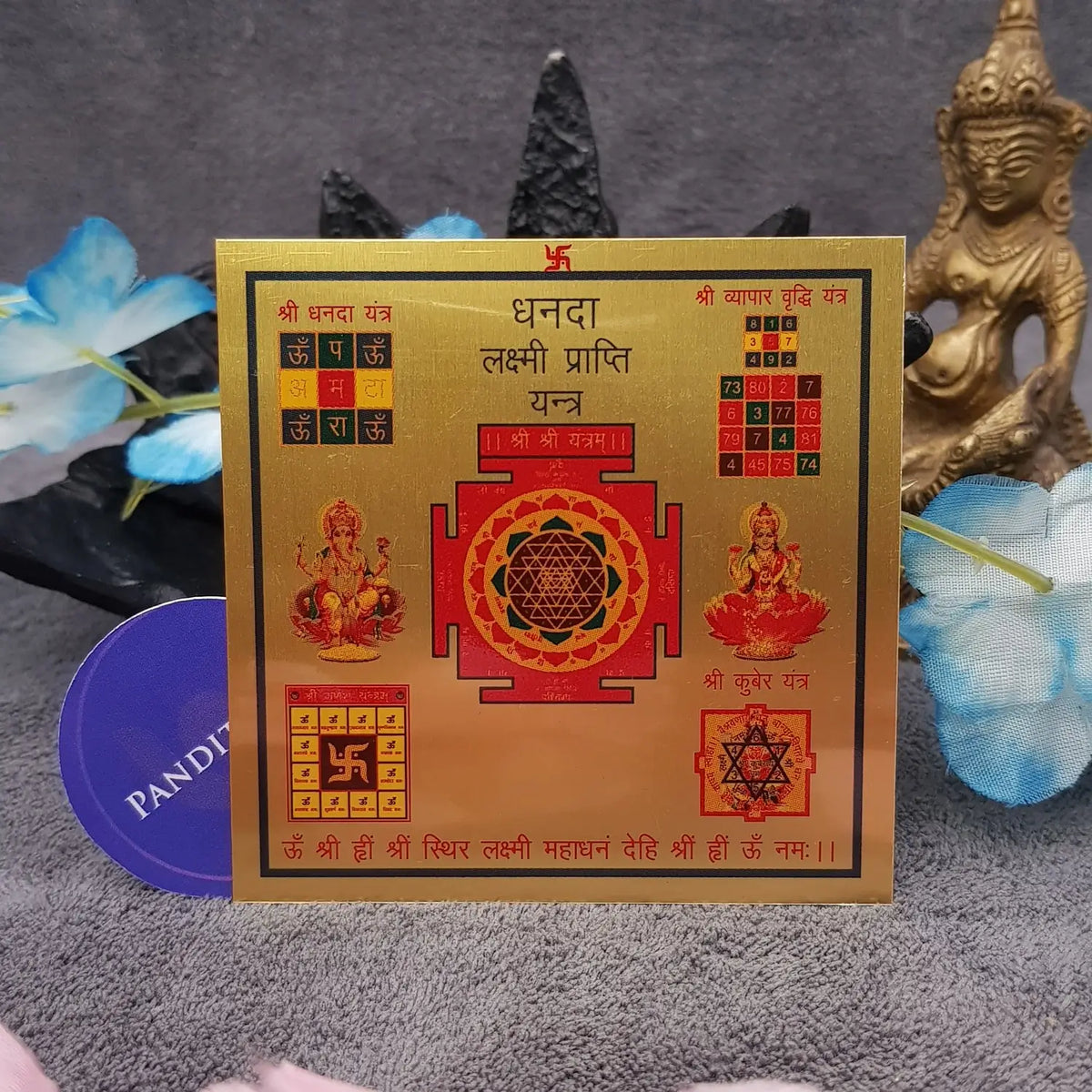
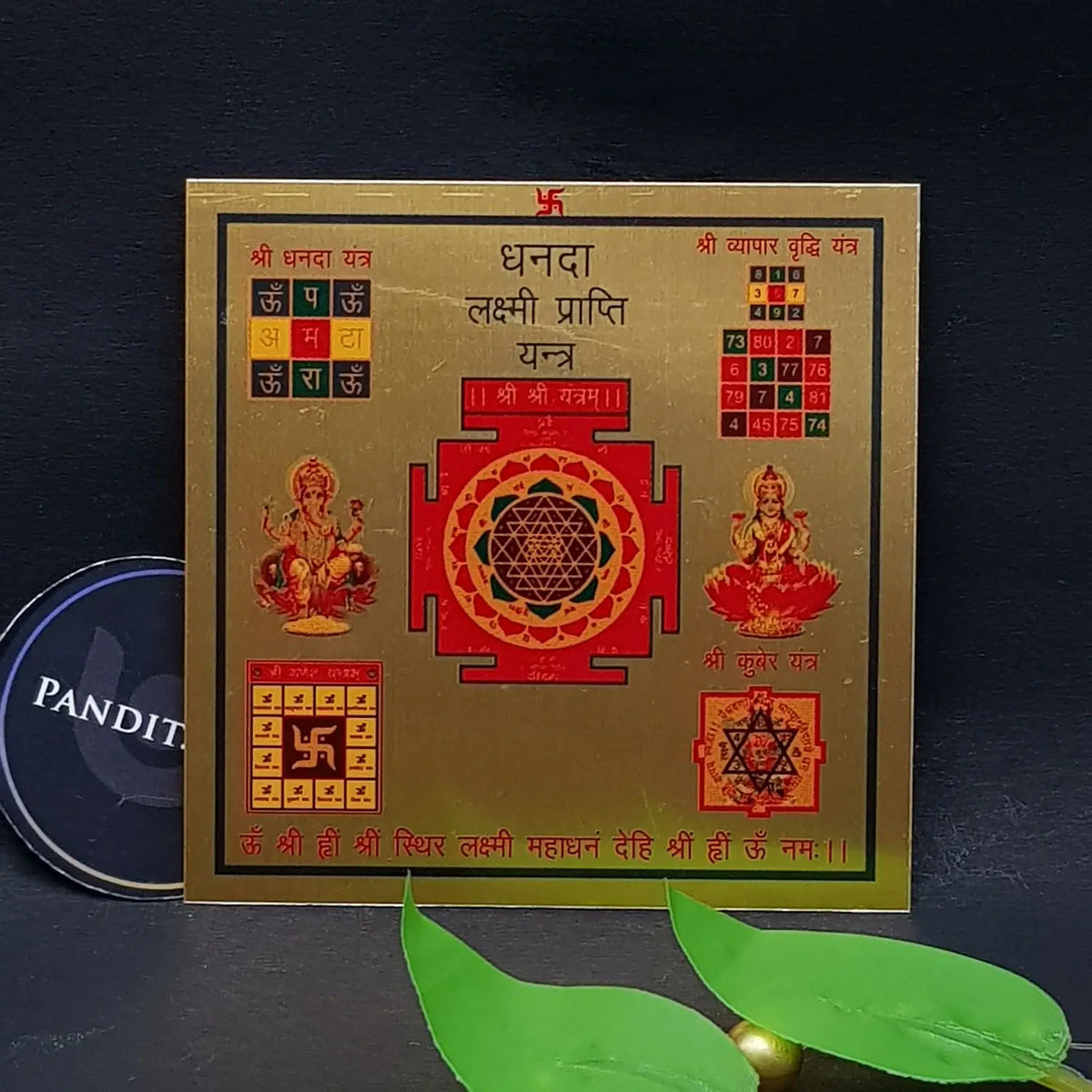
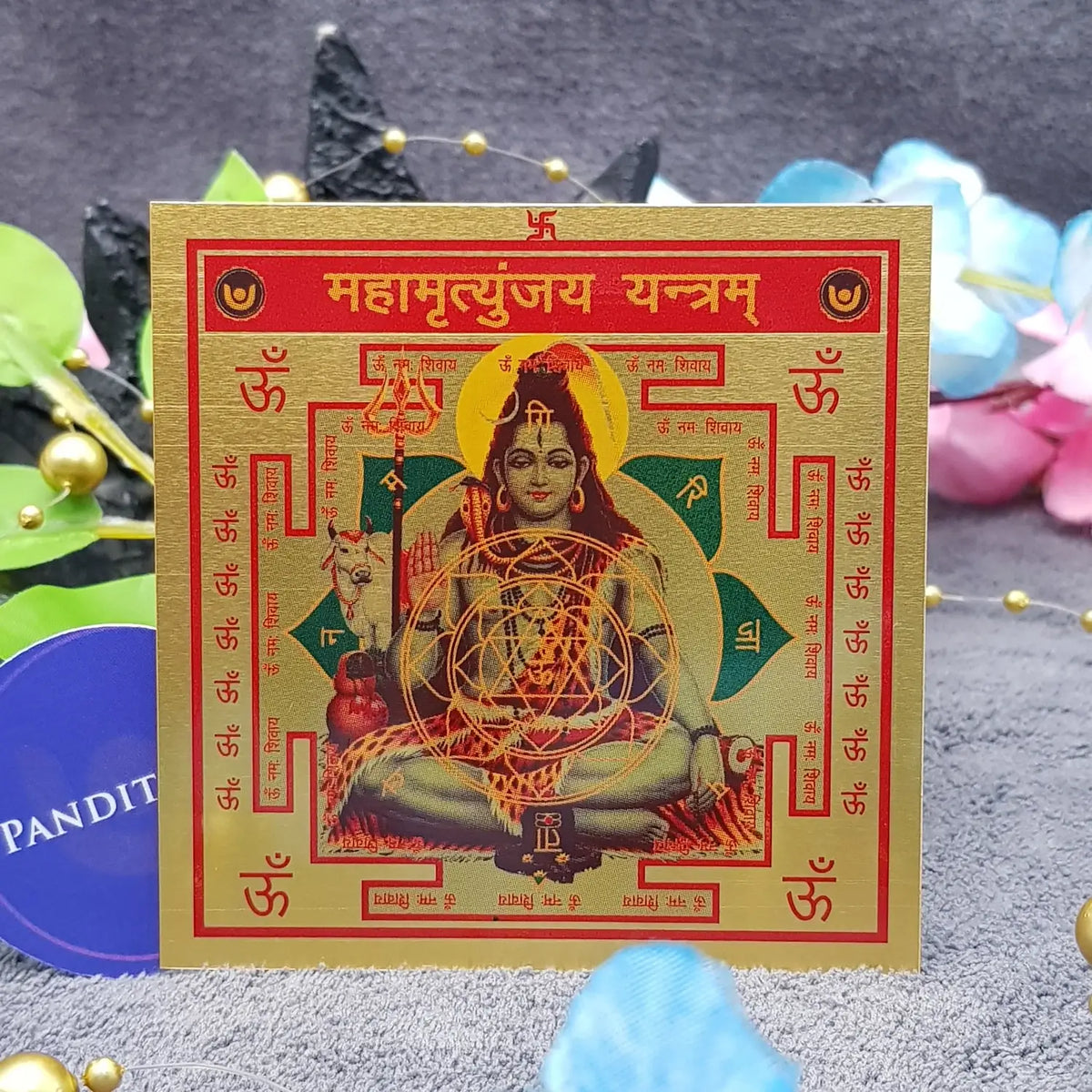
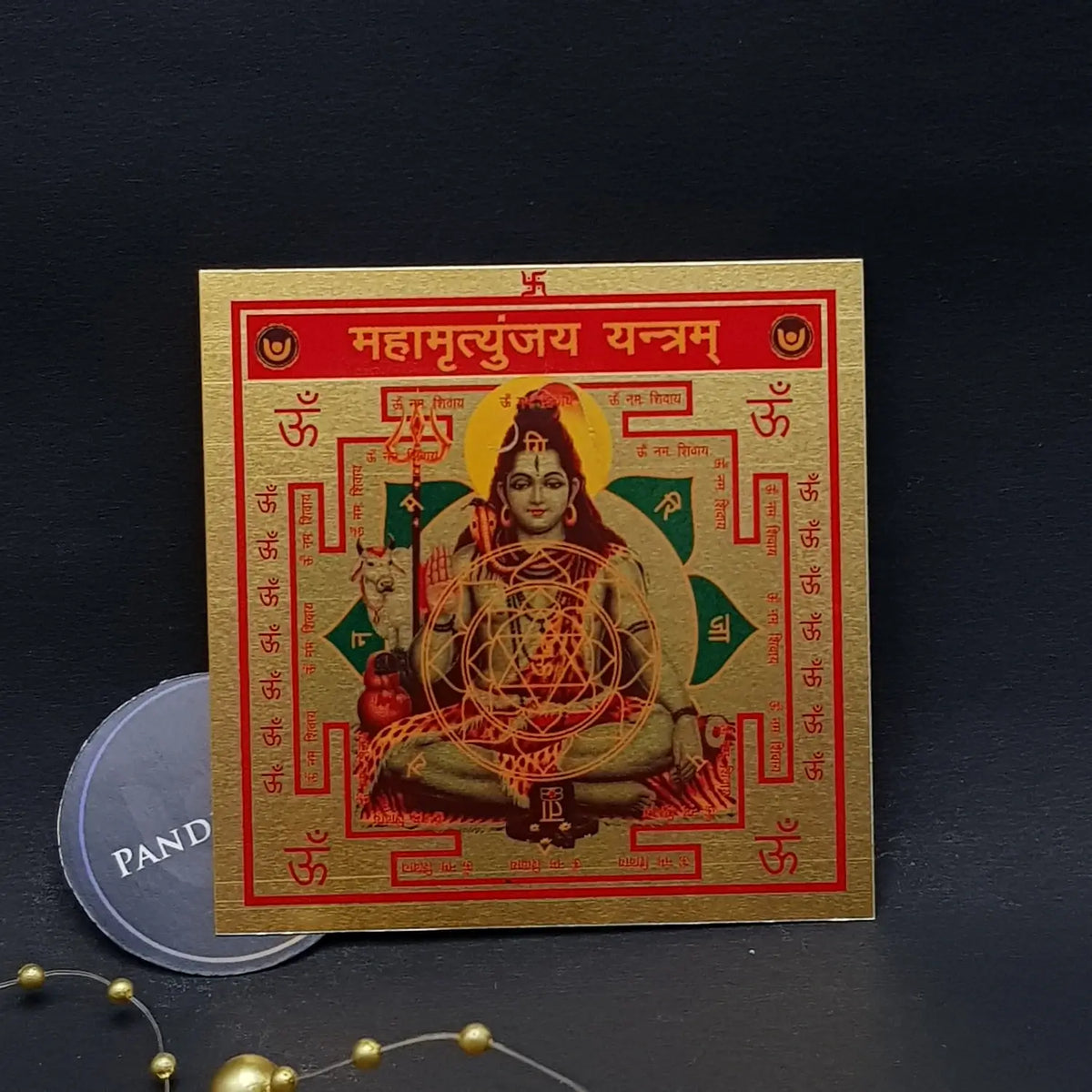


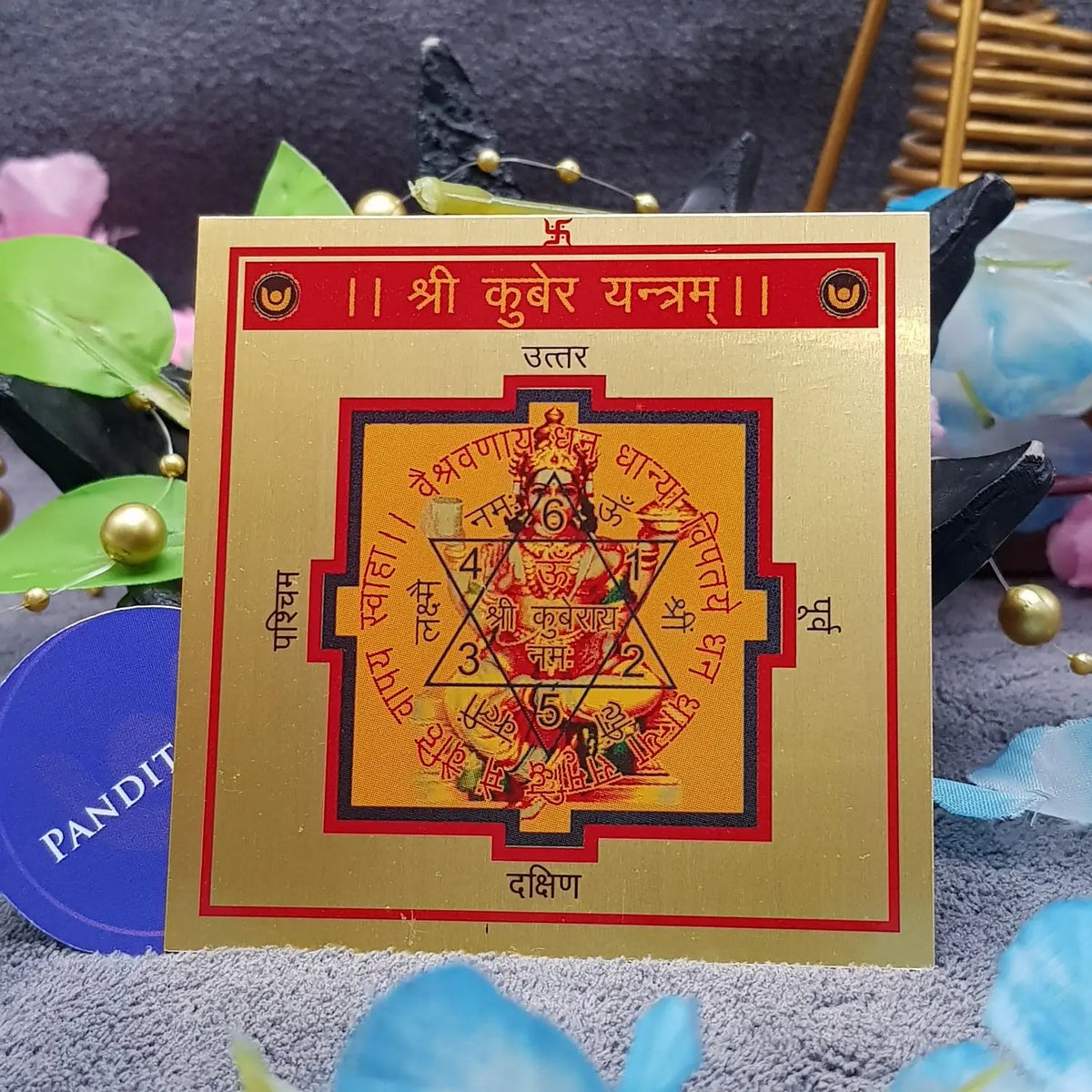


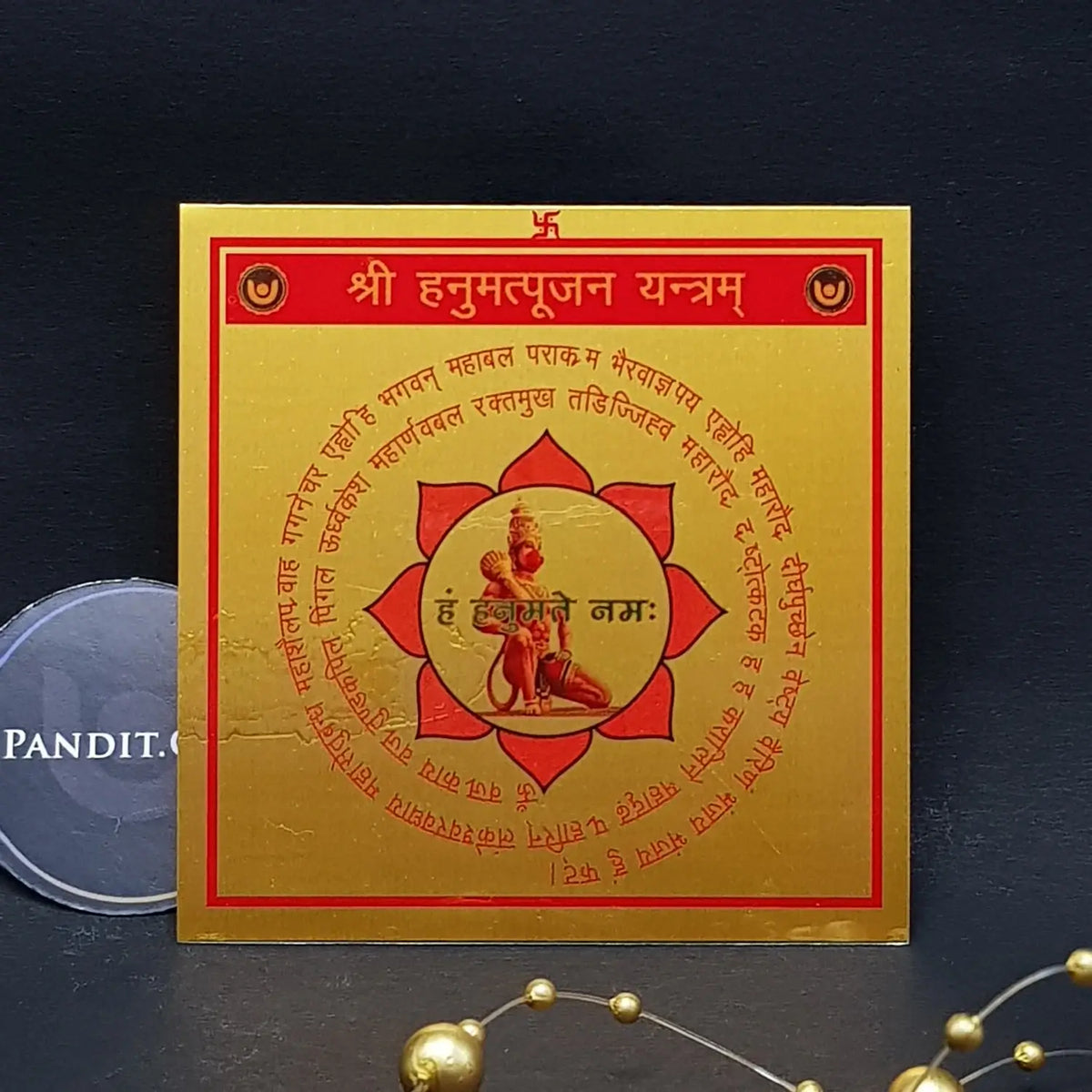


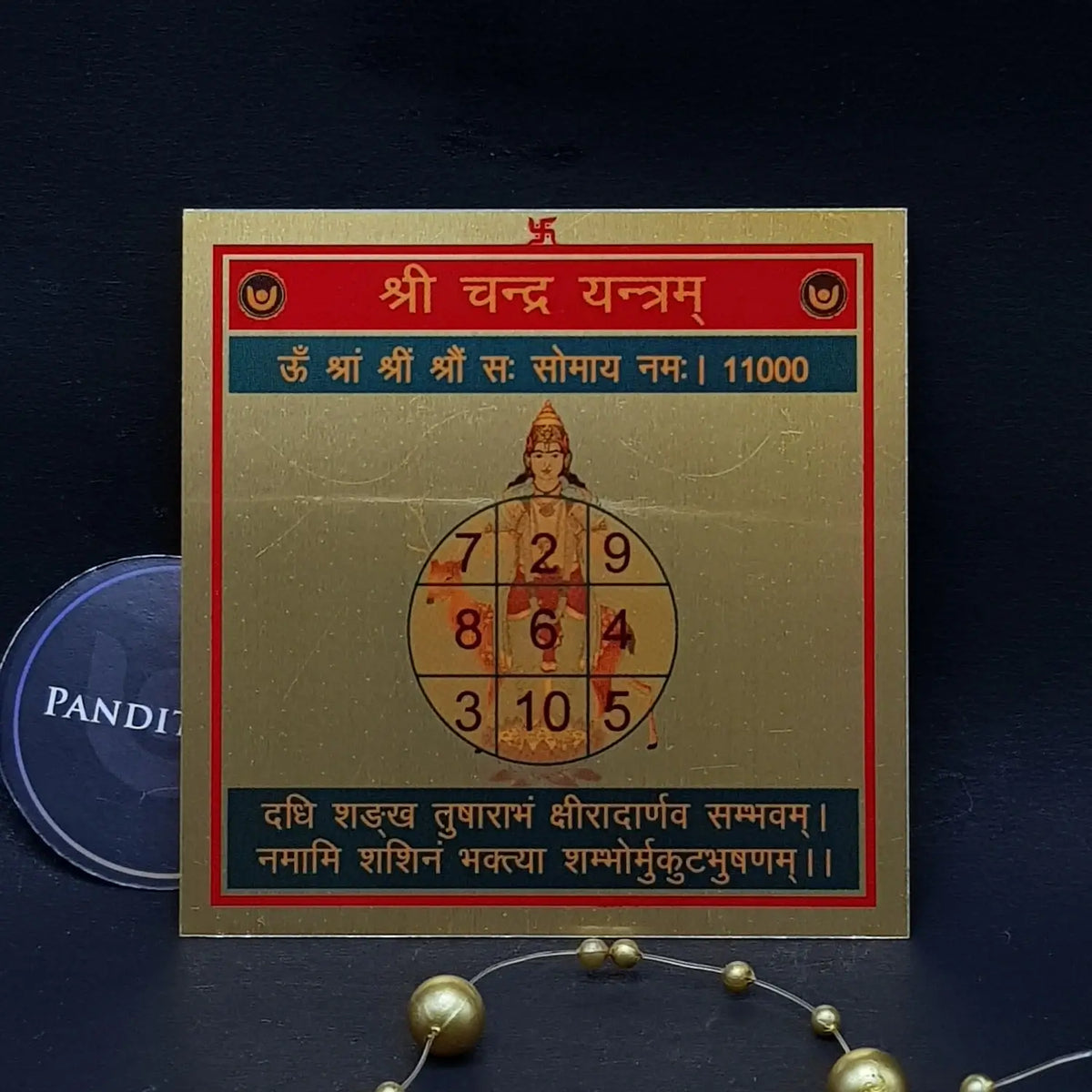


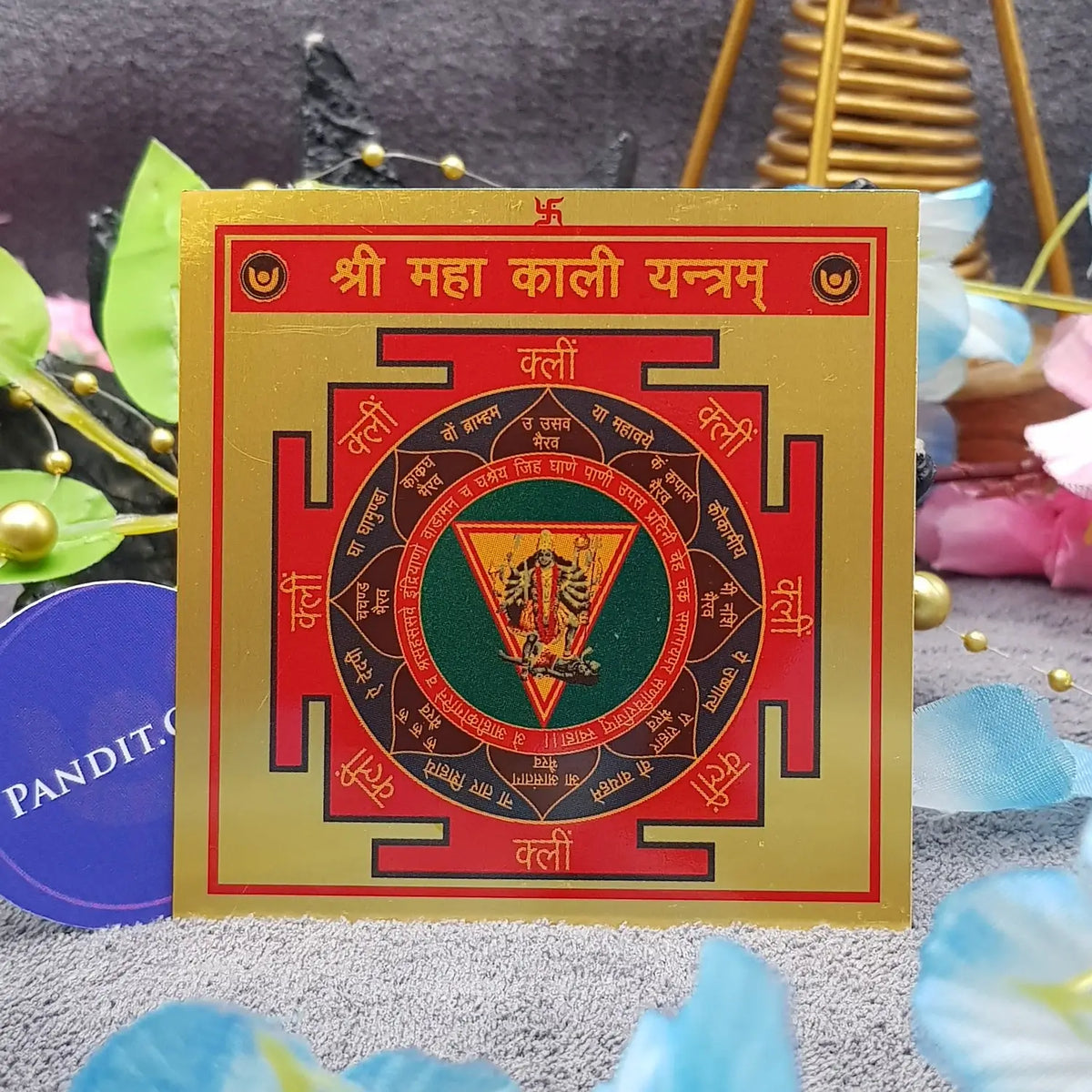
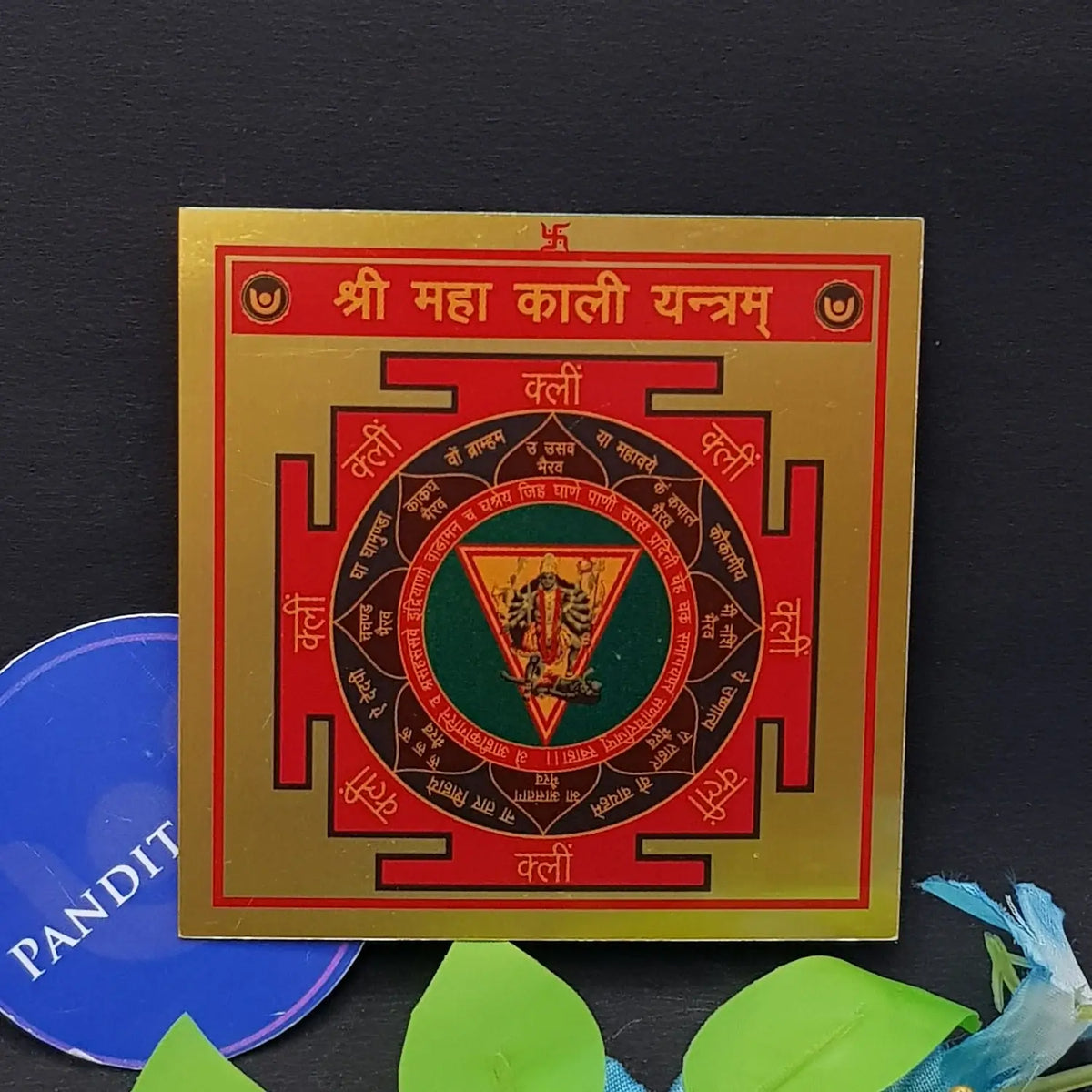


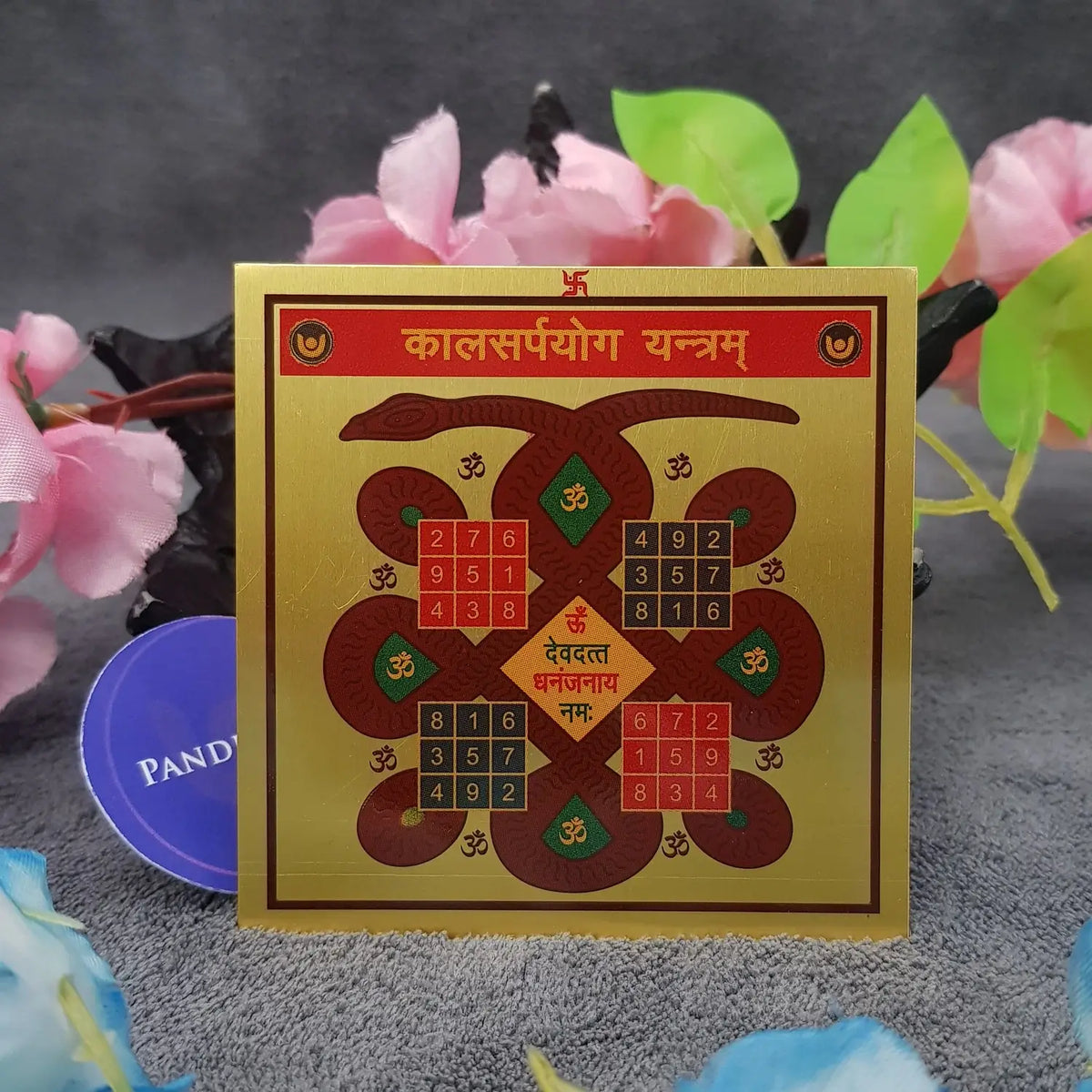
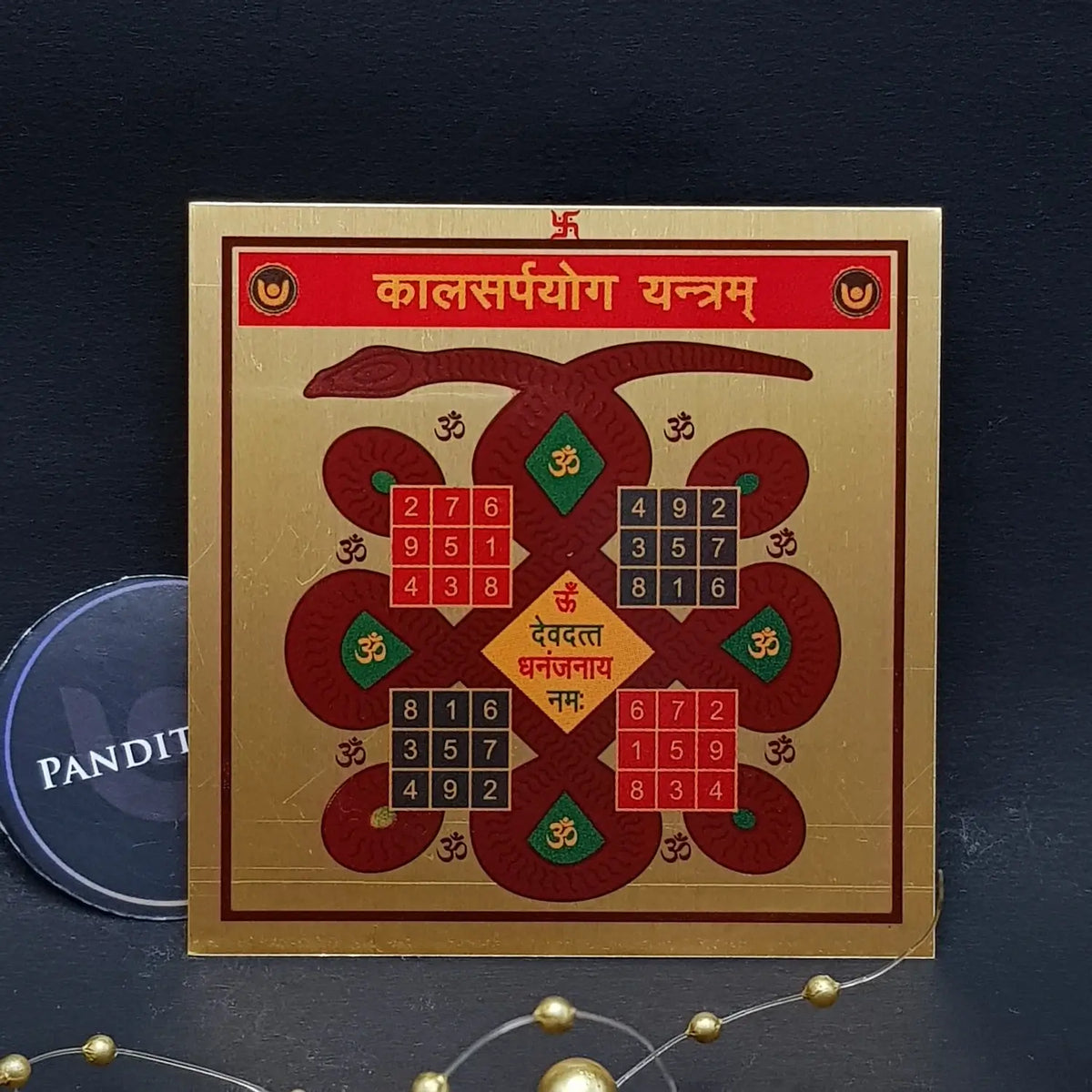
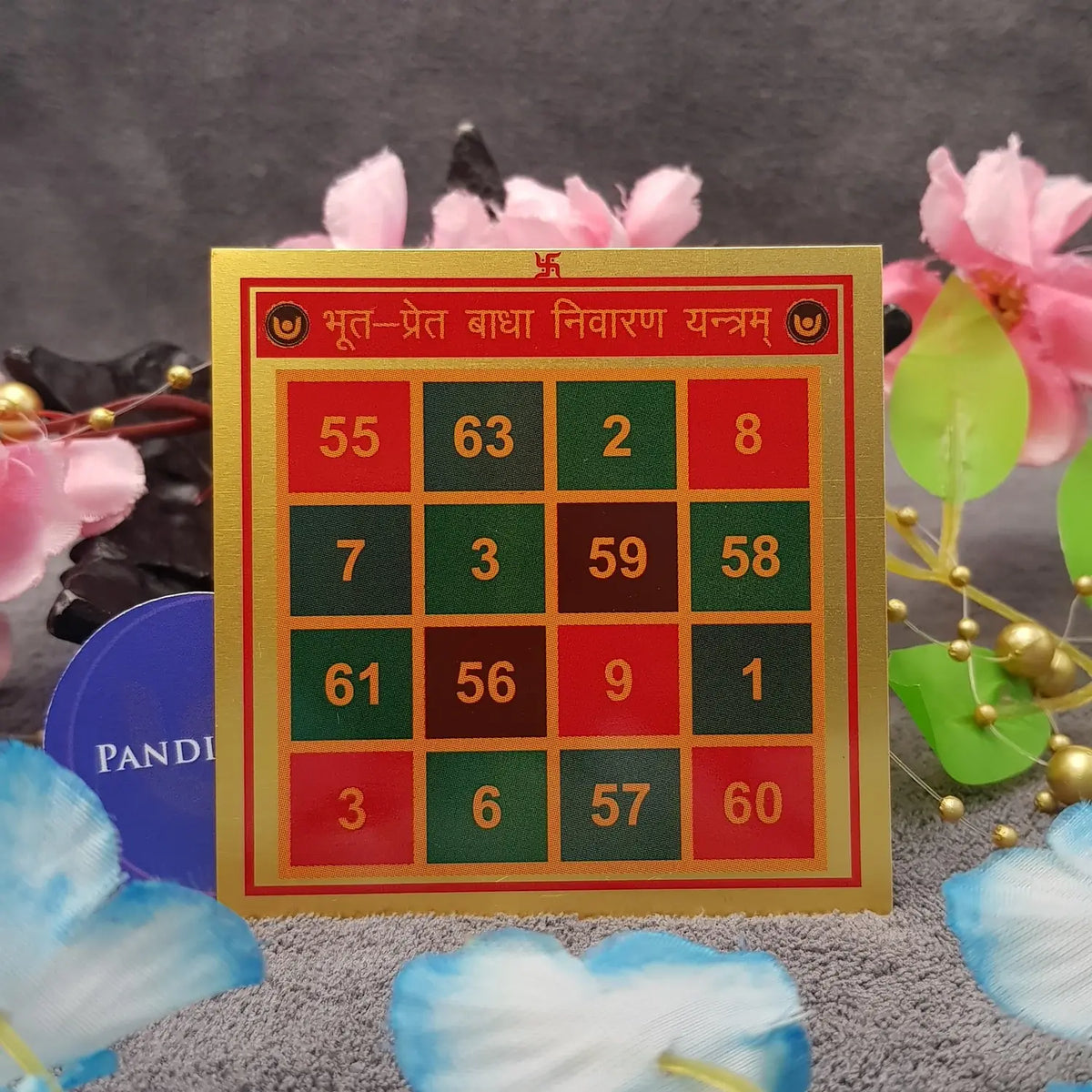
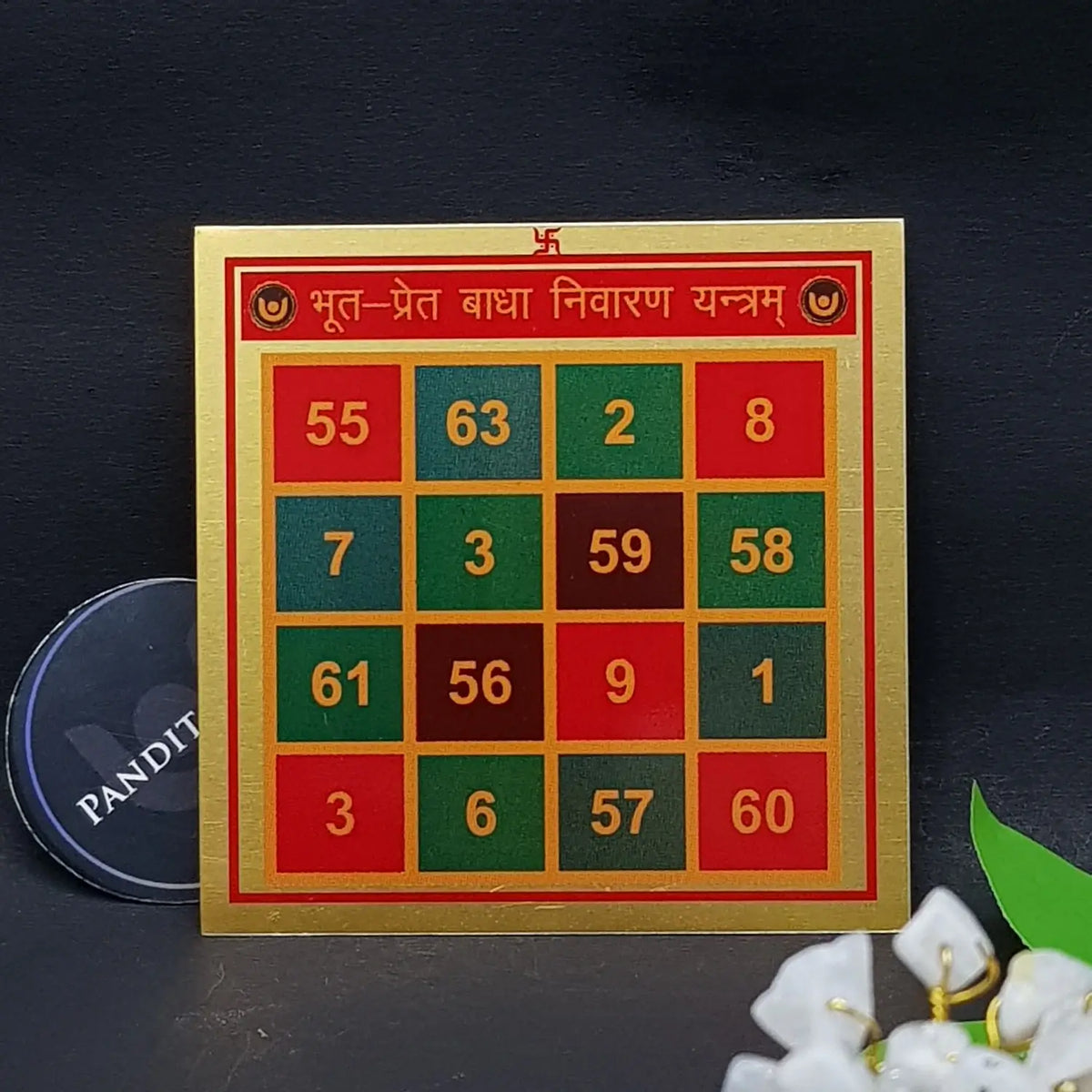


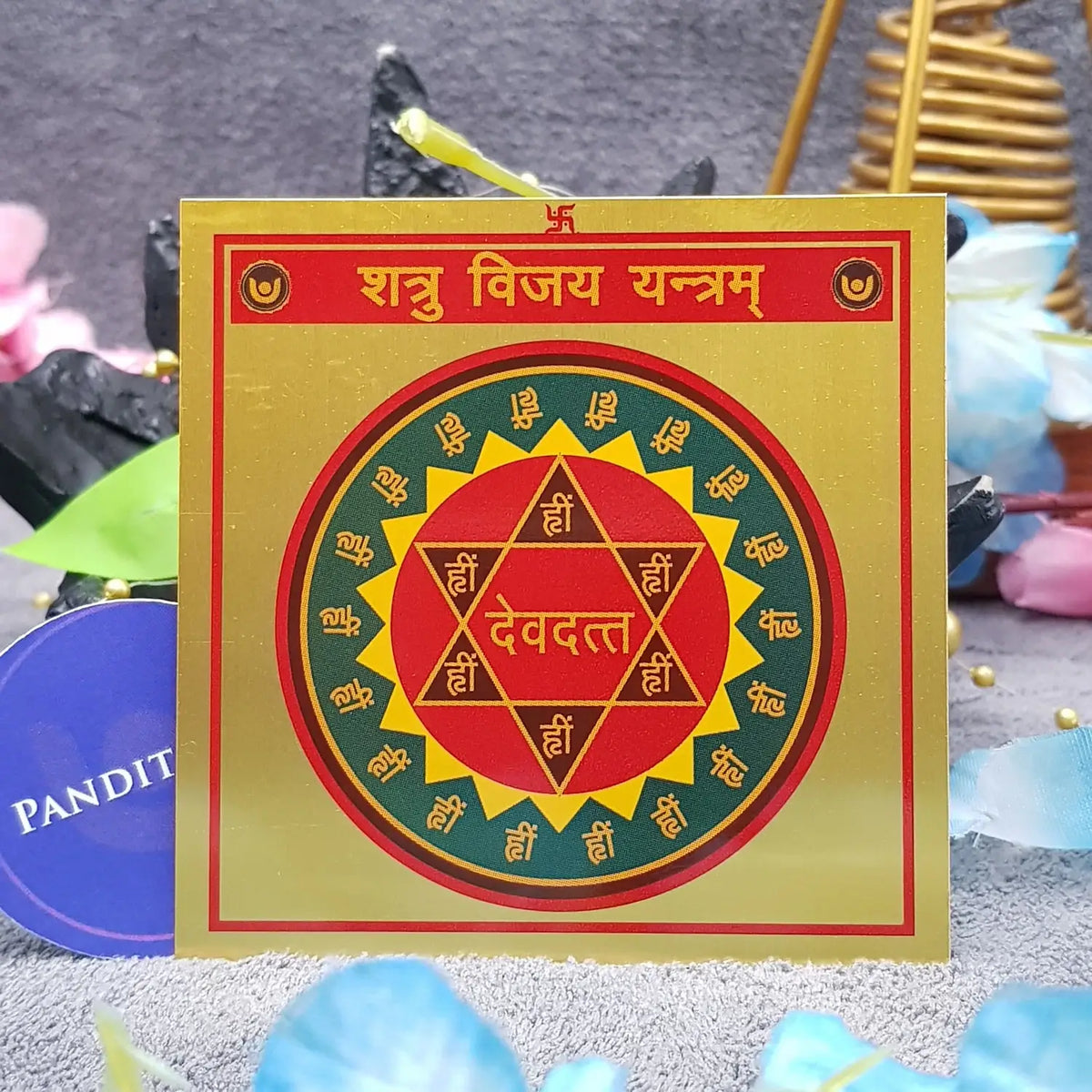
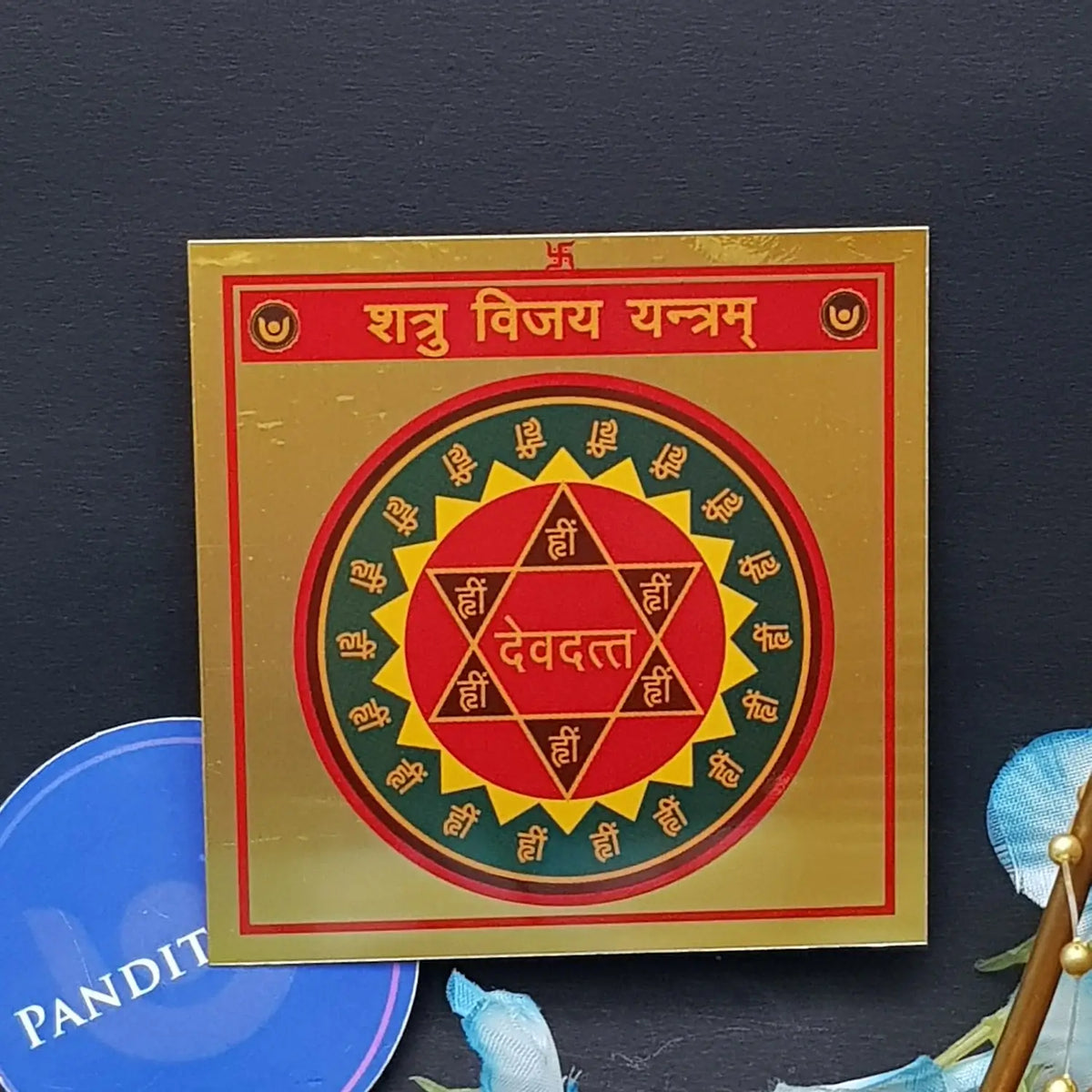
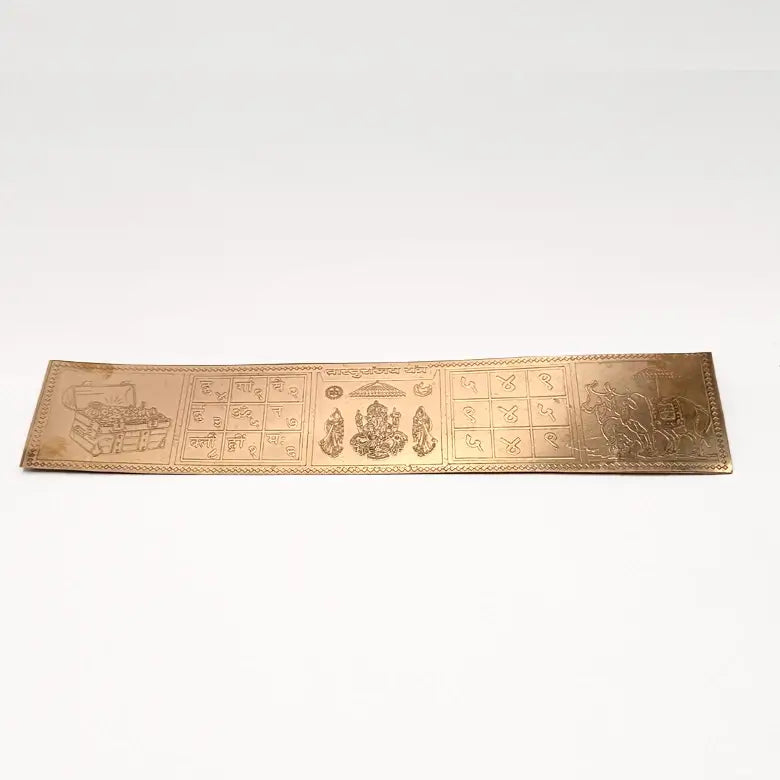
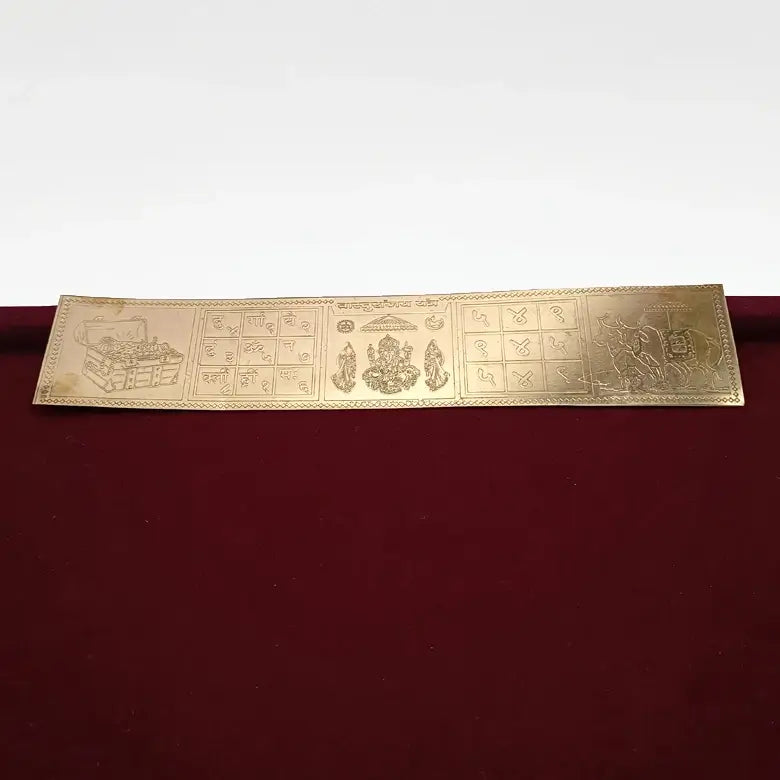


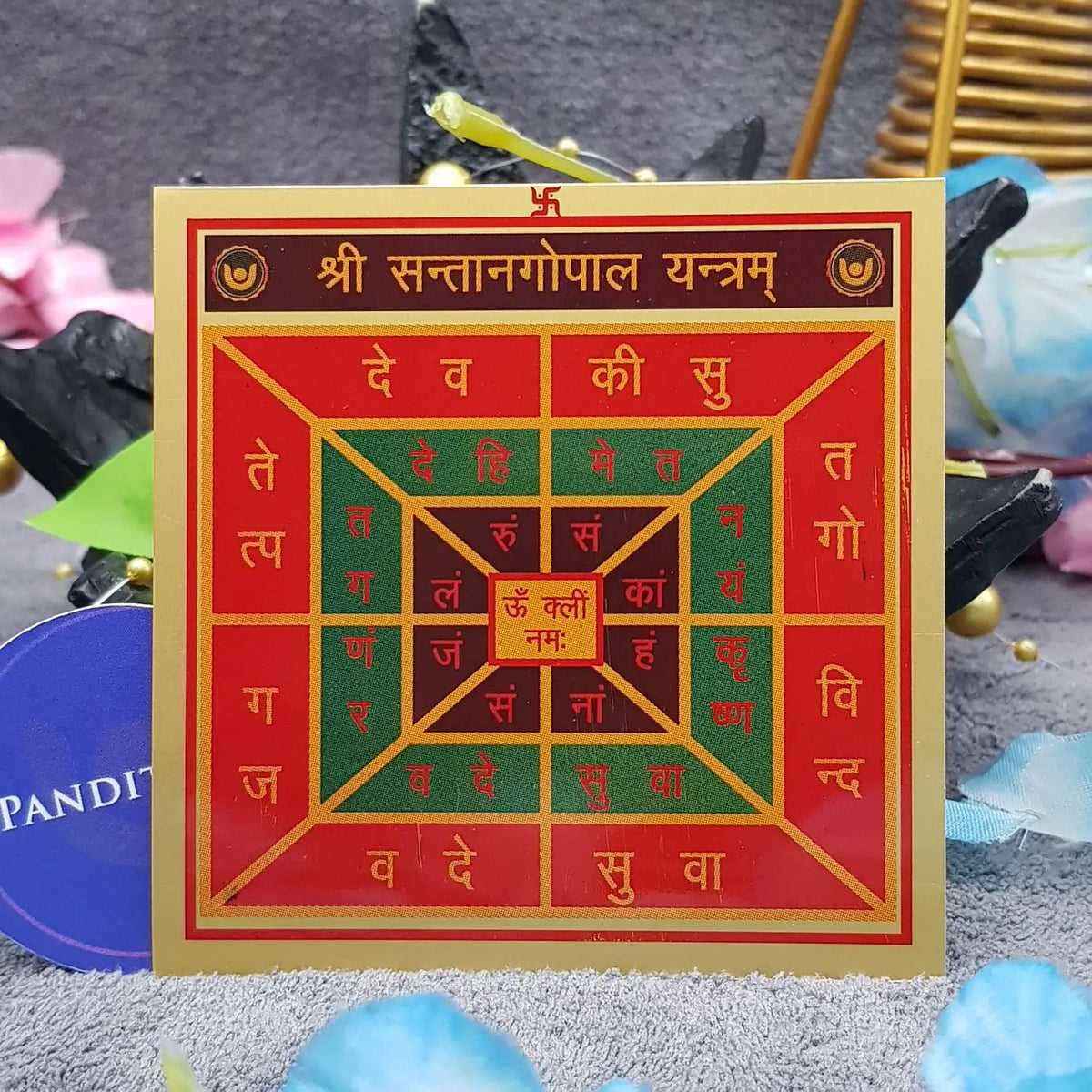
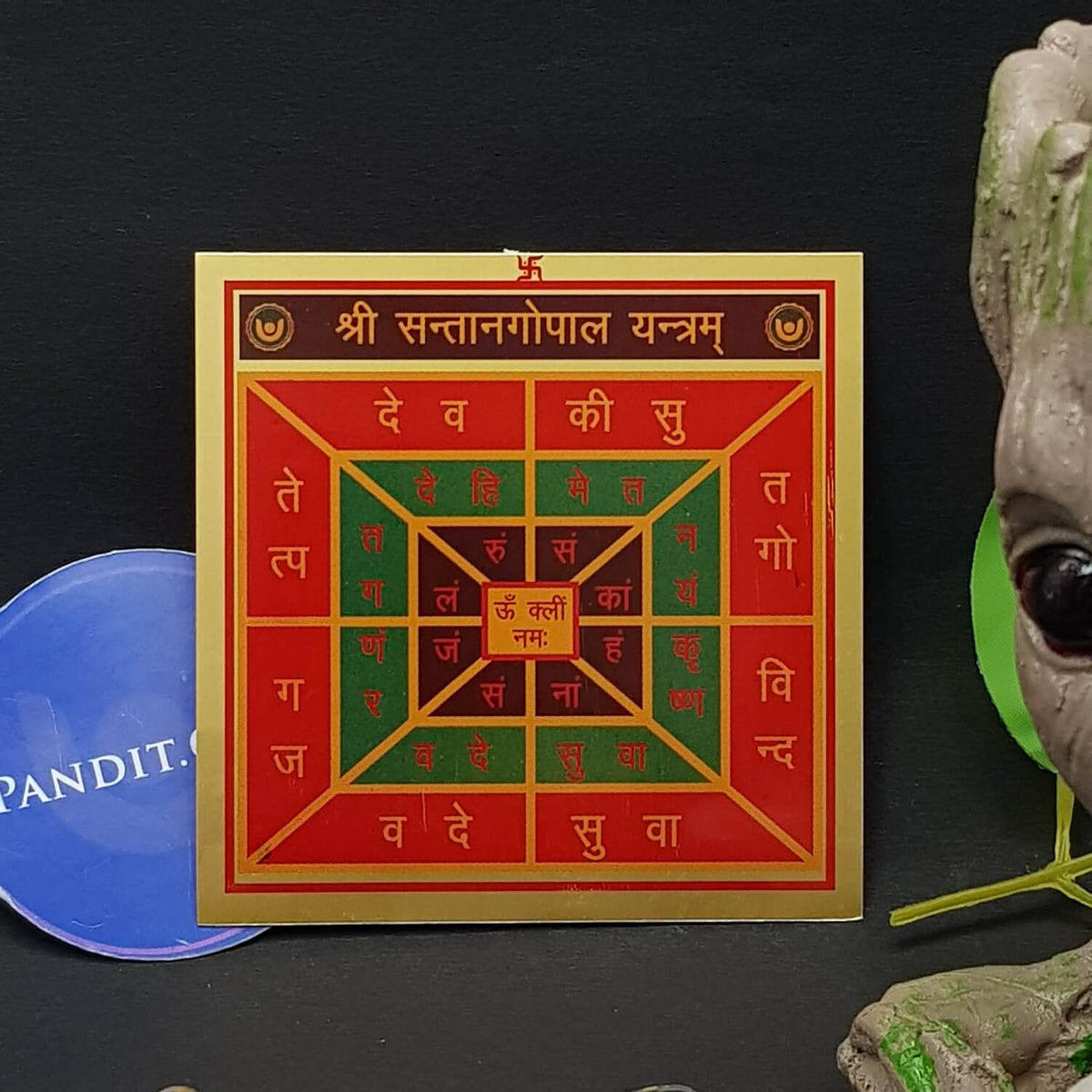


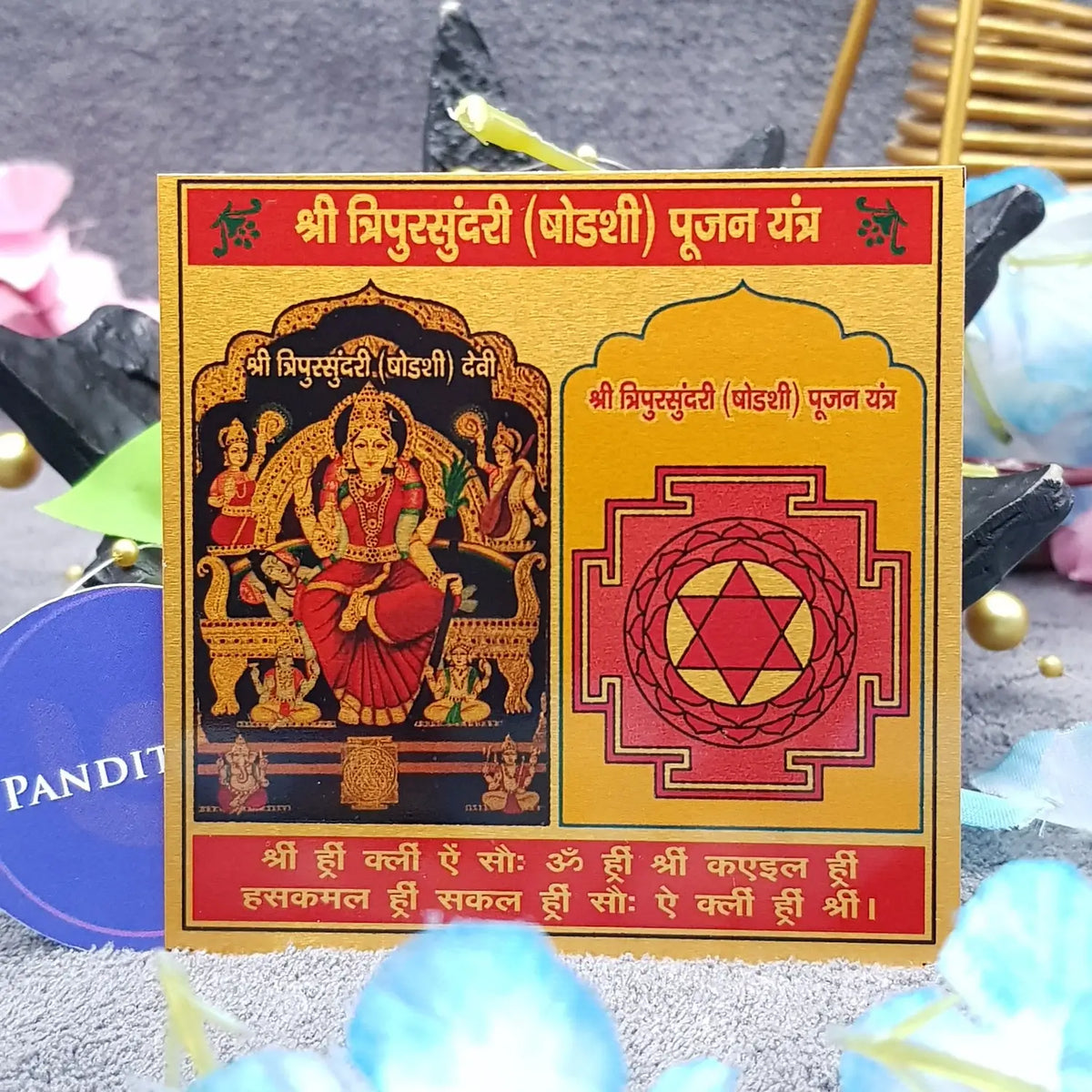
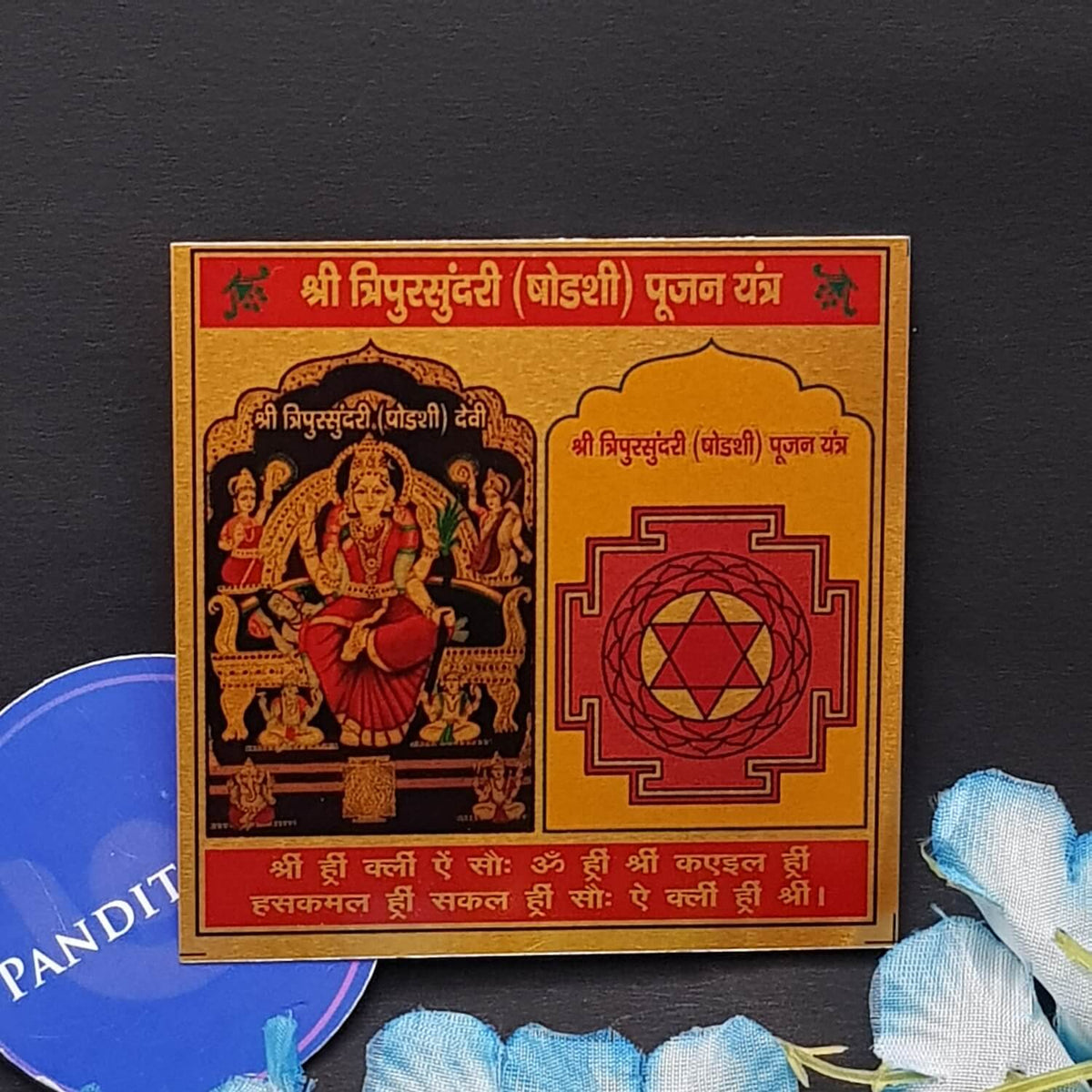
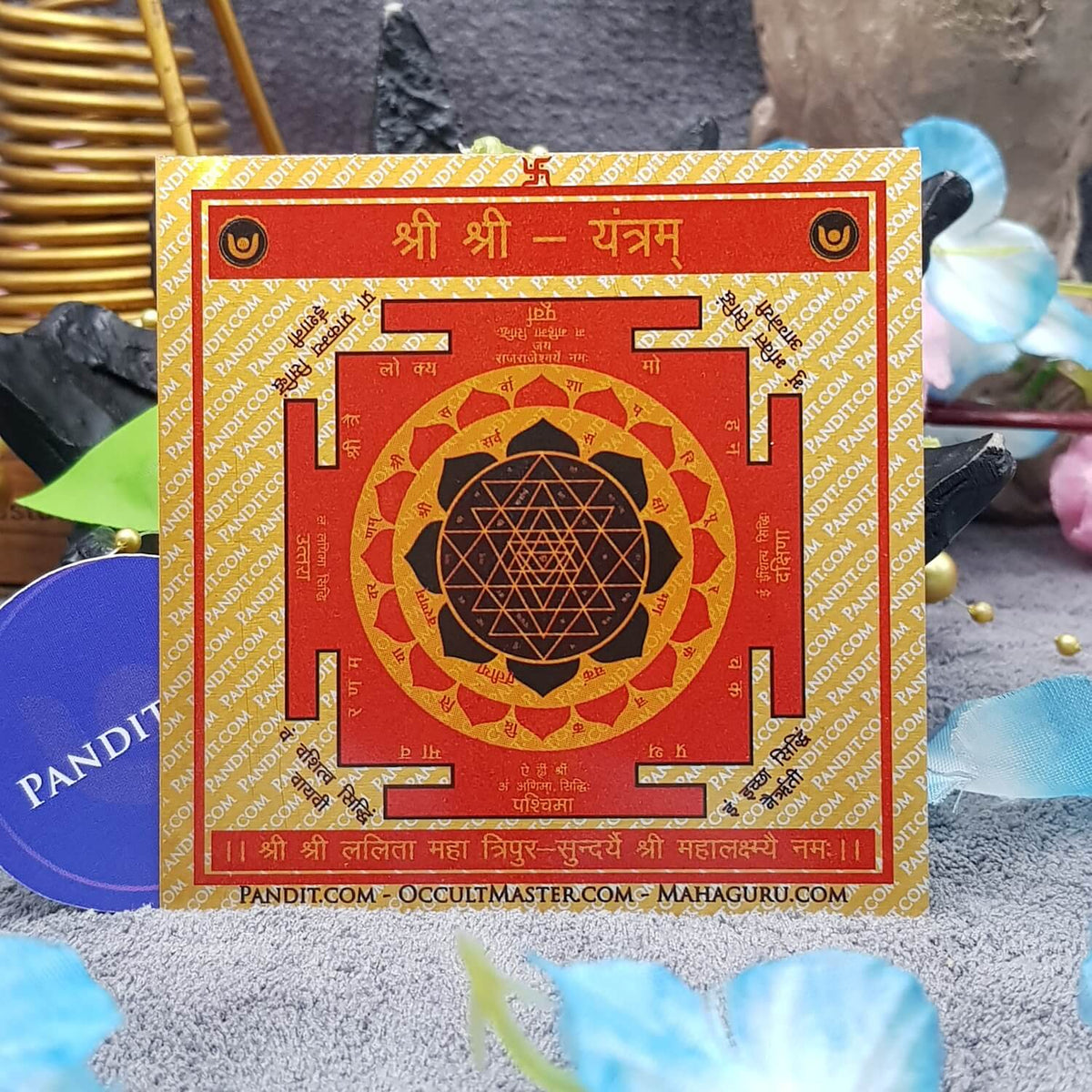
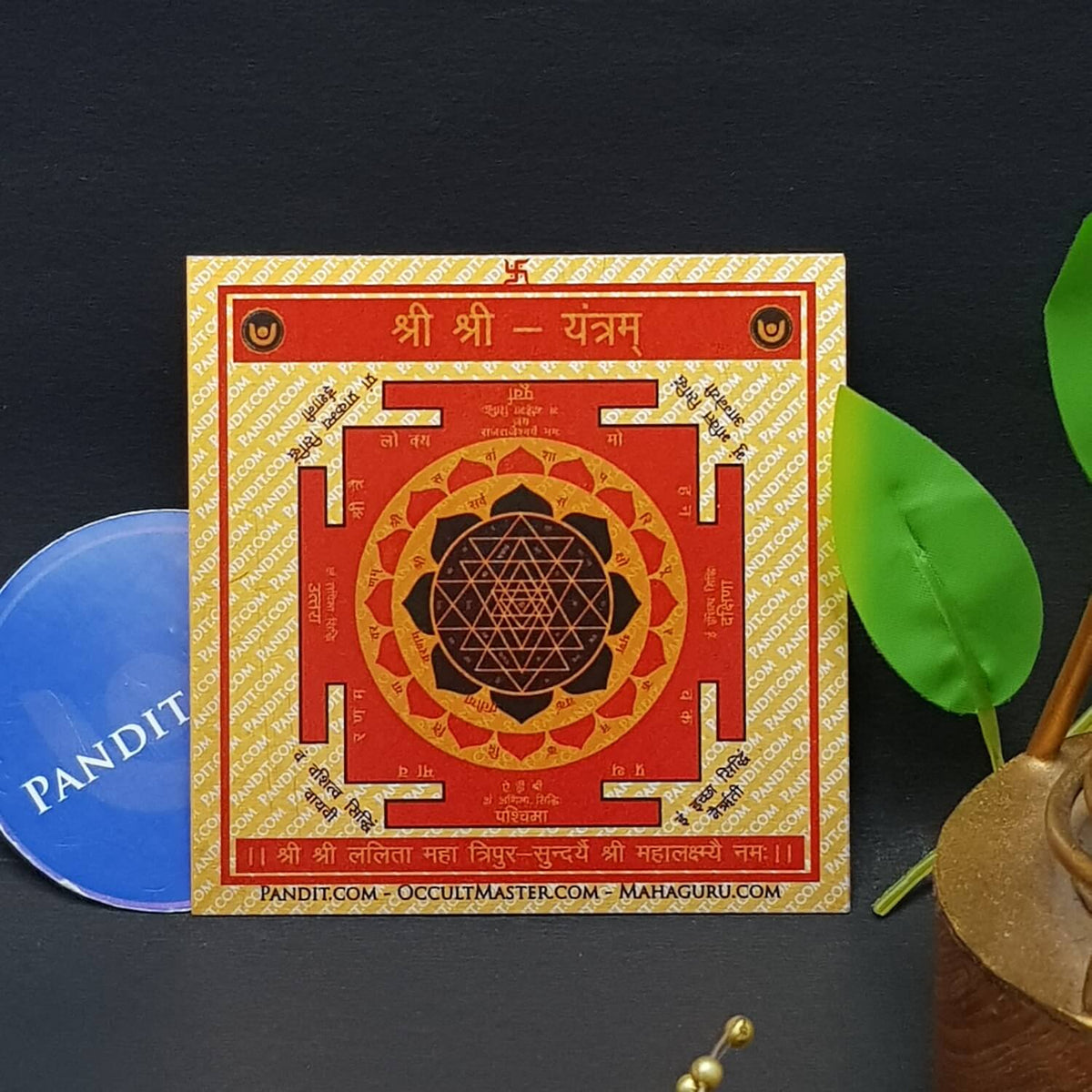


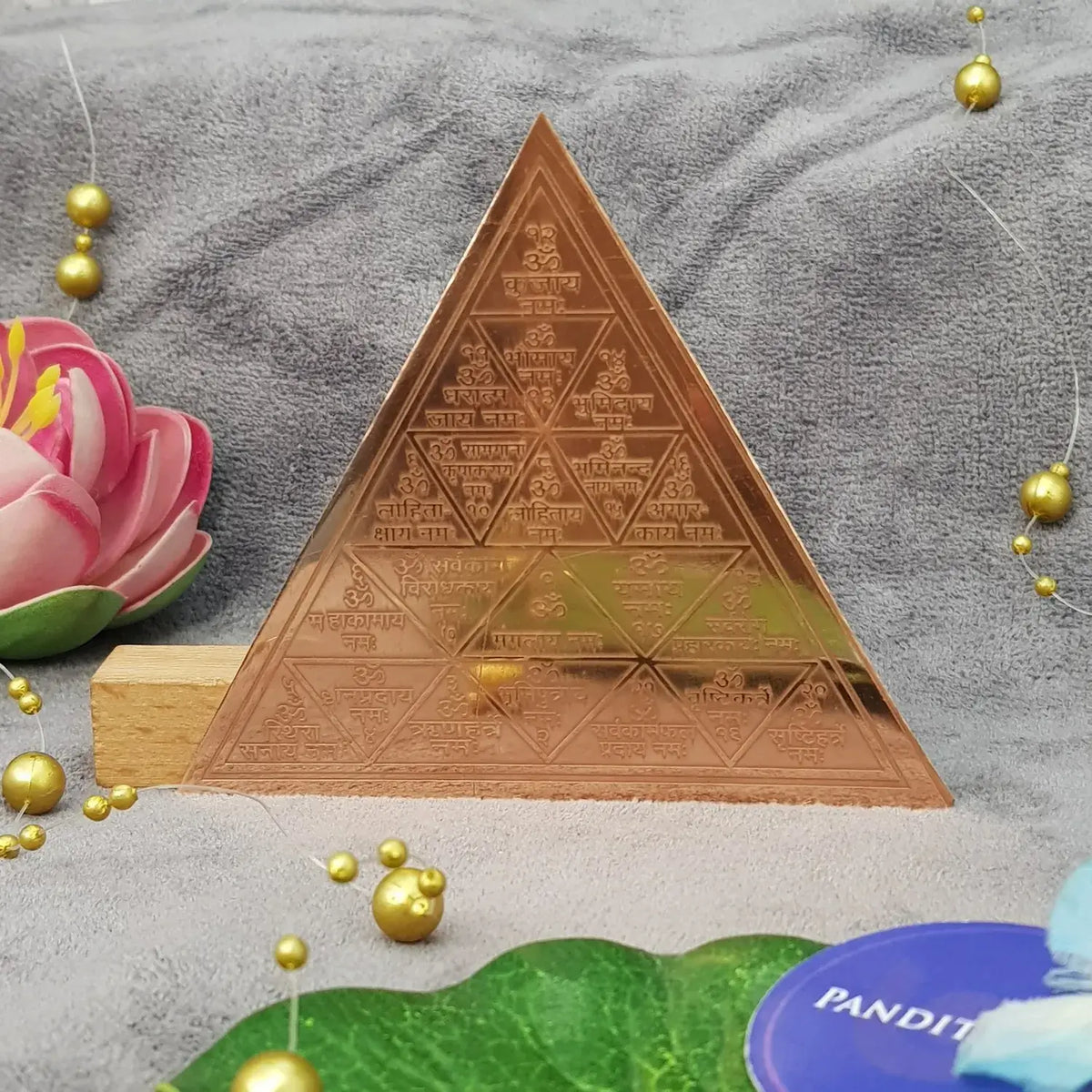
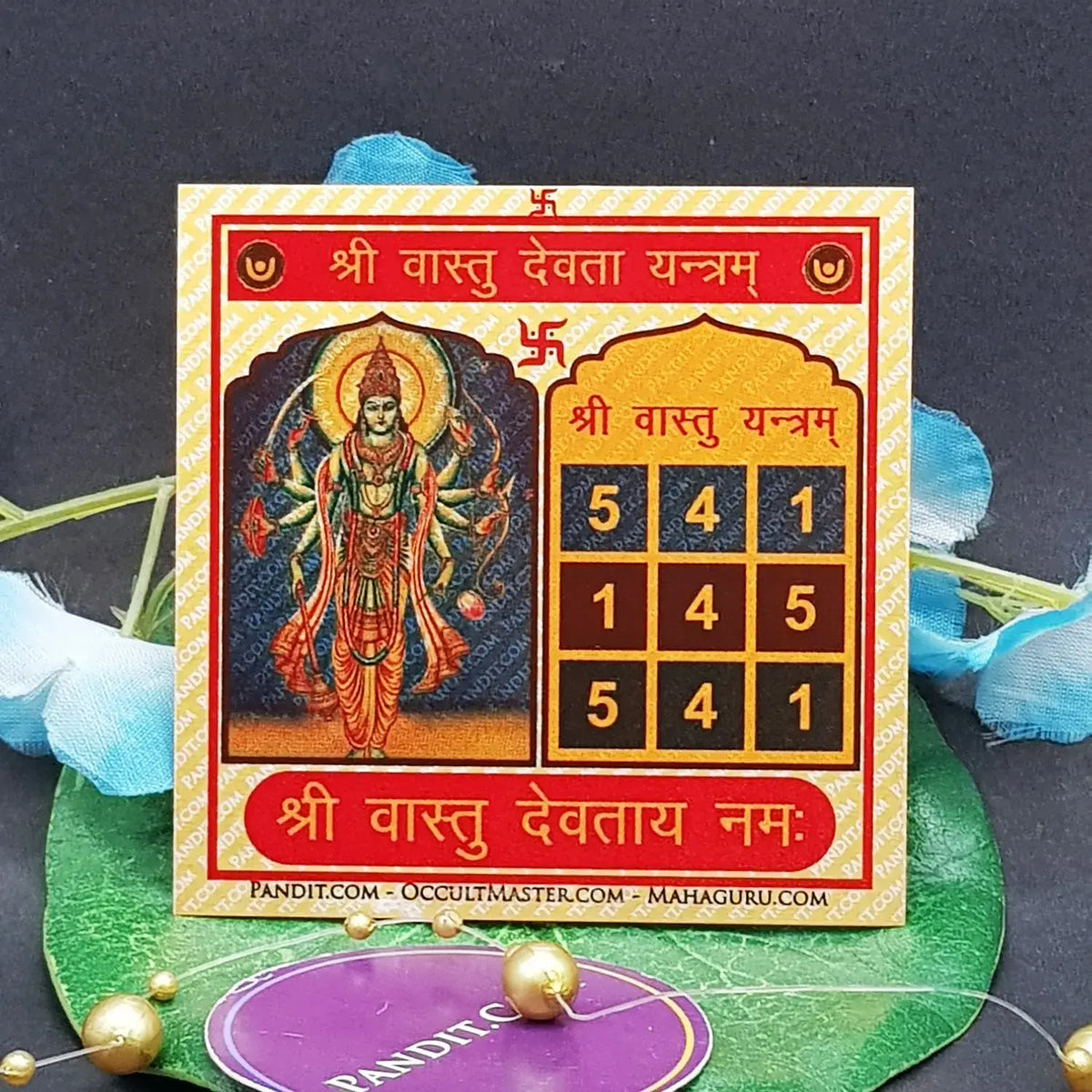
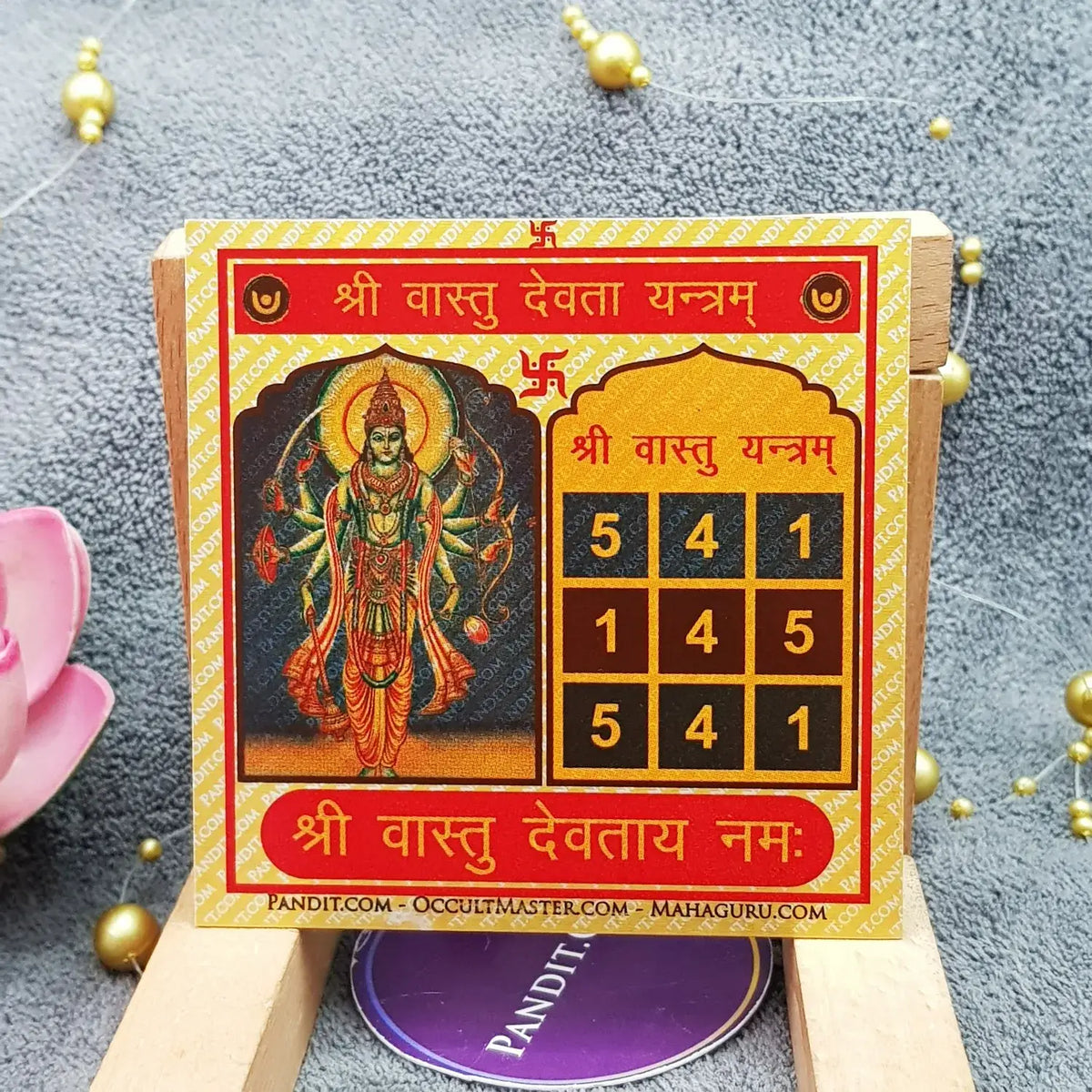


A yantra is a sacred diagram: the geometric form of a deity or a planet, worshipped together with its mantra. Pandit.com offers nearly a hundred yantras in copper, brass, gold-plated metal, sphatik and parad, from the Shri Yantra and Kuber Yantra to the nine planetary yantras, the Mahavidya yantras and Vastu yantras. Each is selected under Pt. Rahul Kaushl, and this guide explains how to choose one and how it is installed.
What is a yantra?
In the Tantric and Agamic traditions, yantra, mantra and tantra work together: the yantra is the form, the mantra is the sound, and the tantra is the method of worship. A yantra is built from a few basic shapes. The bindu marks the centre, triangles carry the energy of Shiva and Shakti, lotus petals open outwards, and the square bhupura with four gates marks the boundary. A yantra is not a decoration; it is a support for focus and worship, and it is placed and honoured with that intention.
Types of yantra
| Group | Examples on Pandit.com | Traditionally kept for |
|---|---|---|
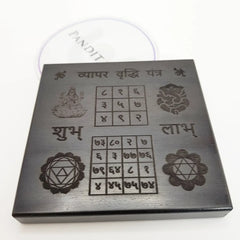
| Lakshmi and Kuber | Shri Yantra, Shri Lakshmi Kuber, Kanakdhara, Vyapar Vridhi | Prosperity, the home temple and the cash counter |
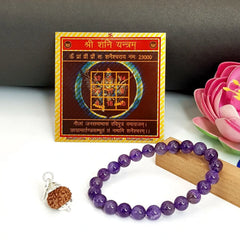
| Navagraha | Surya, Chandra, Mangal, Budh, Brihaspati, Shukra, Shani, Rahu, Ketu and Navgrah | Worship of a planet that needs support in the chart |
| Mahavidya | Baglamukhi, Maha Kali, Tara, Tripura Sundari, Bhuvaneshwari, Matangi, Chinnamasta | Upasana of the Devi, usually under guidance |
| Protection and wellbeing | Mahamrityunjaya, Panchmukhi Hanuman Kavach, Maha Sudarshan | Daily prayer for protection |
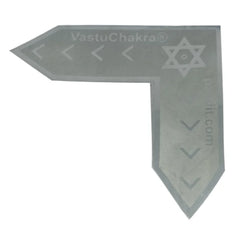
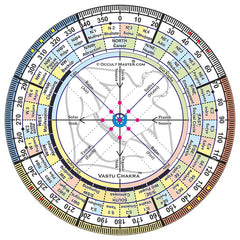
| Vastu | Vastu Dosh Nivaran, Shri Vastu Devta, Matsya | Balancing the energy of a home or office |
Which material should you choose?
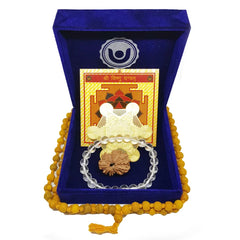
Copper is the traditional metal for an engraved yantra and suits daily puja. Brass and gold-plated yantras last well and suit a temple shelf or an office. Sphatik (clear quartz) and parad (a mercury alloy) yantras are solid forms worshipped as they are, and are often kept for meditation. If you need a yantra for Vastu, choose the one your Vastu consultant names for the specific zone.
How to install a yantra
- Choose the day of the yantra's deity or planet, in Shukla Paksha. Friday suits Lakshmi yantras and Saturday suits Shani and Hanuman yantras.
- Clean the yantra with Ganga jal or raw milk, then water, and dry it.
- Place it on a red or yellow cloth, in the north-east of the home or puja room, facing east or north, unless your Vastu consultant advises another place.
- Offer a lamp, incense, flowers and kumkum, and chant the mantra of the deity or planet 108 times.
- Light a lamp before it regularly and keep the space clean.
Not sure which yantra suits your chart or your home? Consult Pt. Rahul Kaushl.
Frequently asked questions
Which yantra is best for the home?
The Shri Yantra and the Lakshmi Kuber Yantra are the most widely kept in Indian homes, usually in the puja room. A planetary yantra is chosen from the birth chart.
Where should a yantra be placed?
Traditionally in the north-east of the home or puja room, facing east or north. Vastu yantras are the exception: they are placed in the zone they are meant to correct.
Can I keep more than one yantra?
Yes. Many homes keep a Shri Yantra in the puja room and a planetary or Vastu yantra elsewhere. Give each yantra its own clean place.
Copper or brass: which yantra is better?
Copper is the classical choice for engraved yantras used in daily puja. Brass and gold-plated yantras are durable and suit display and office use. The geometry and the worship matter more than the metal.
Does a yantra need pran pratishtha?
A yantra is traditionally installed with a short pran pratishtha and its mantra. If you are unsure of the procedure, a pandit can perform it for you.
Which day is best to install a yantra?
The day of the yantra's deity or planet, in Shukla Paksha: Friday for Lakshmi, Thursday for Guru, Saturday for Shani and Hanuman, and Sunday for Surya.