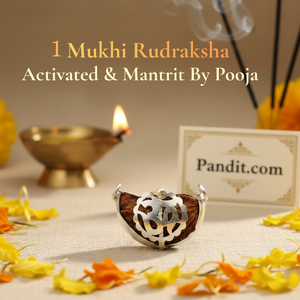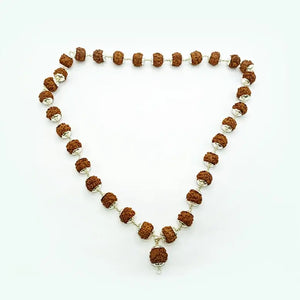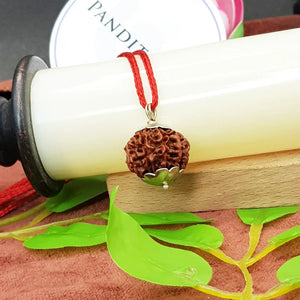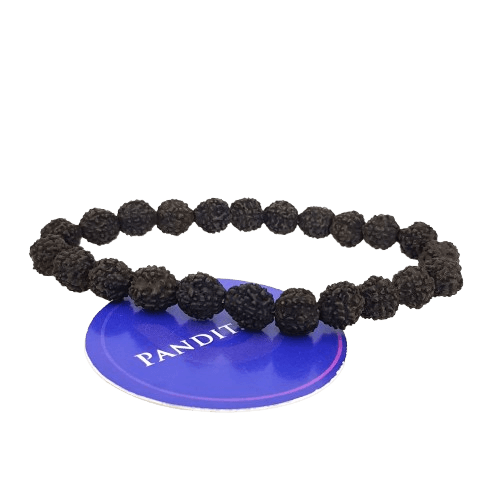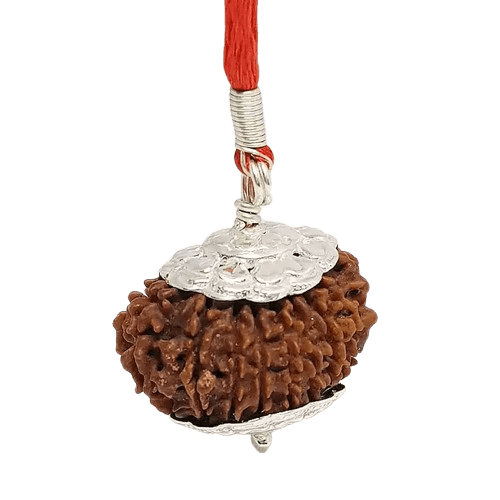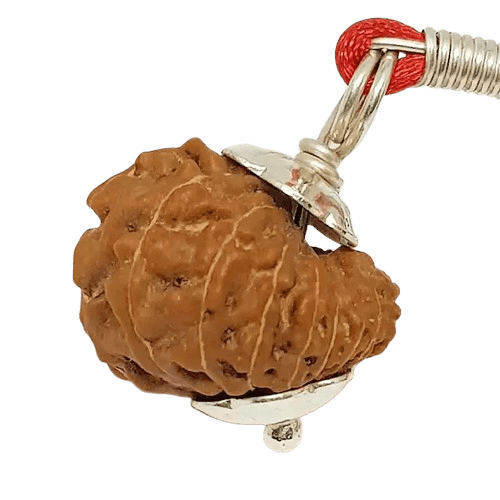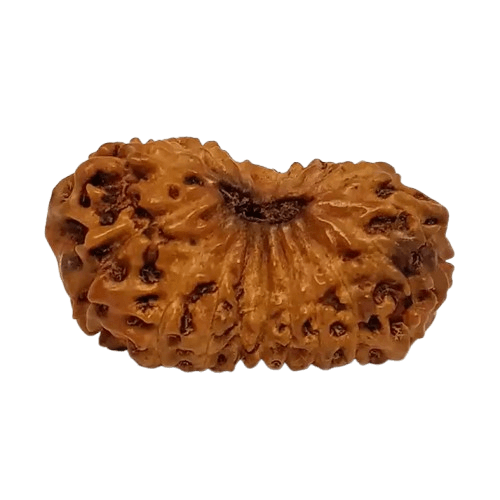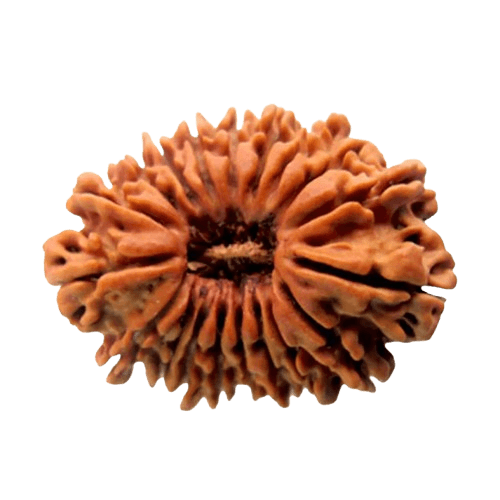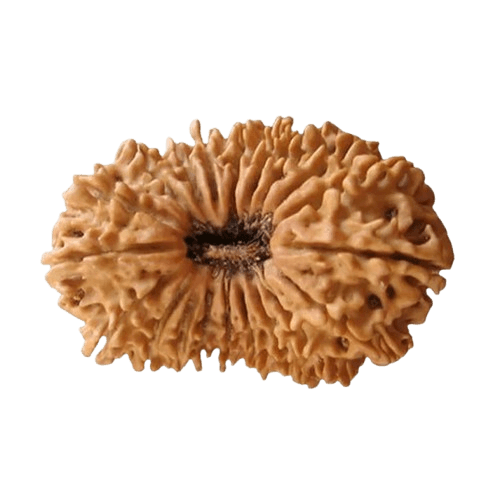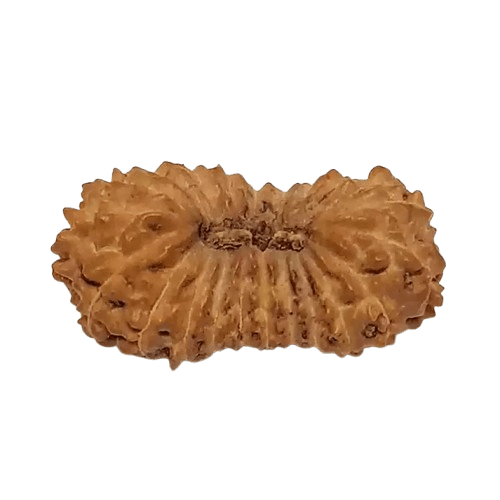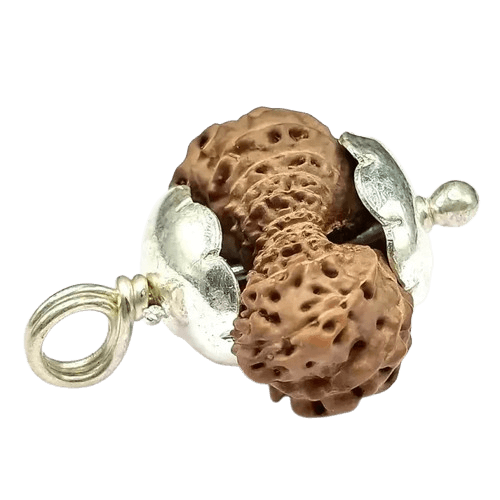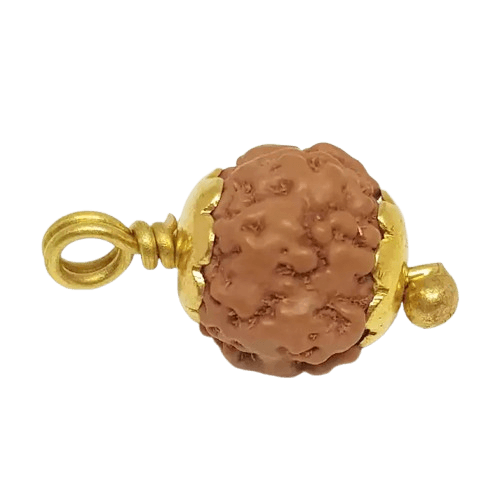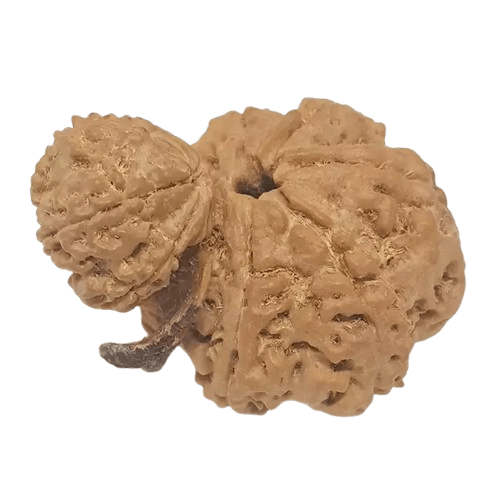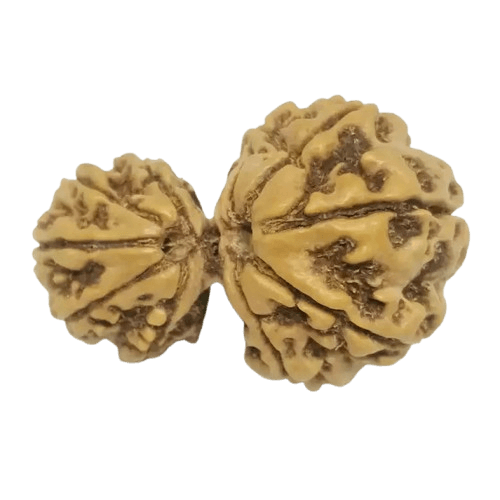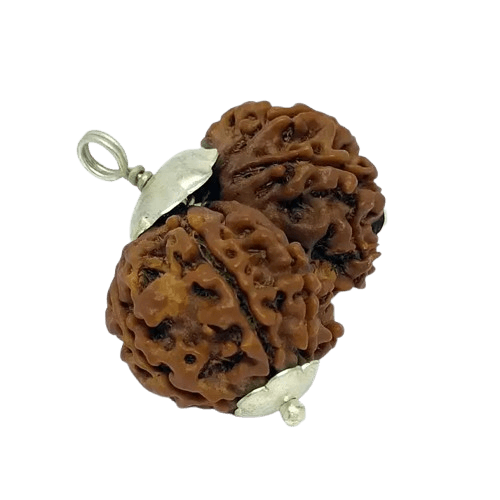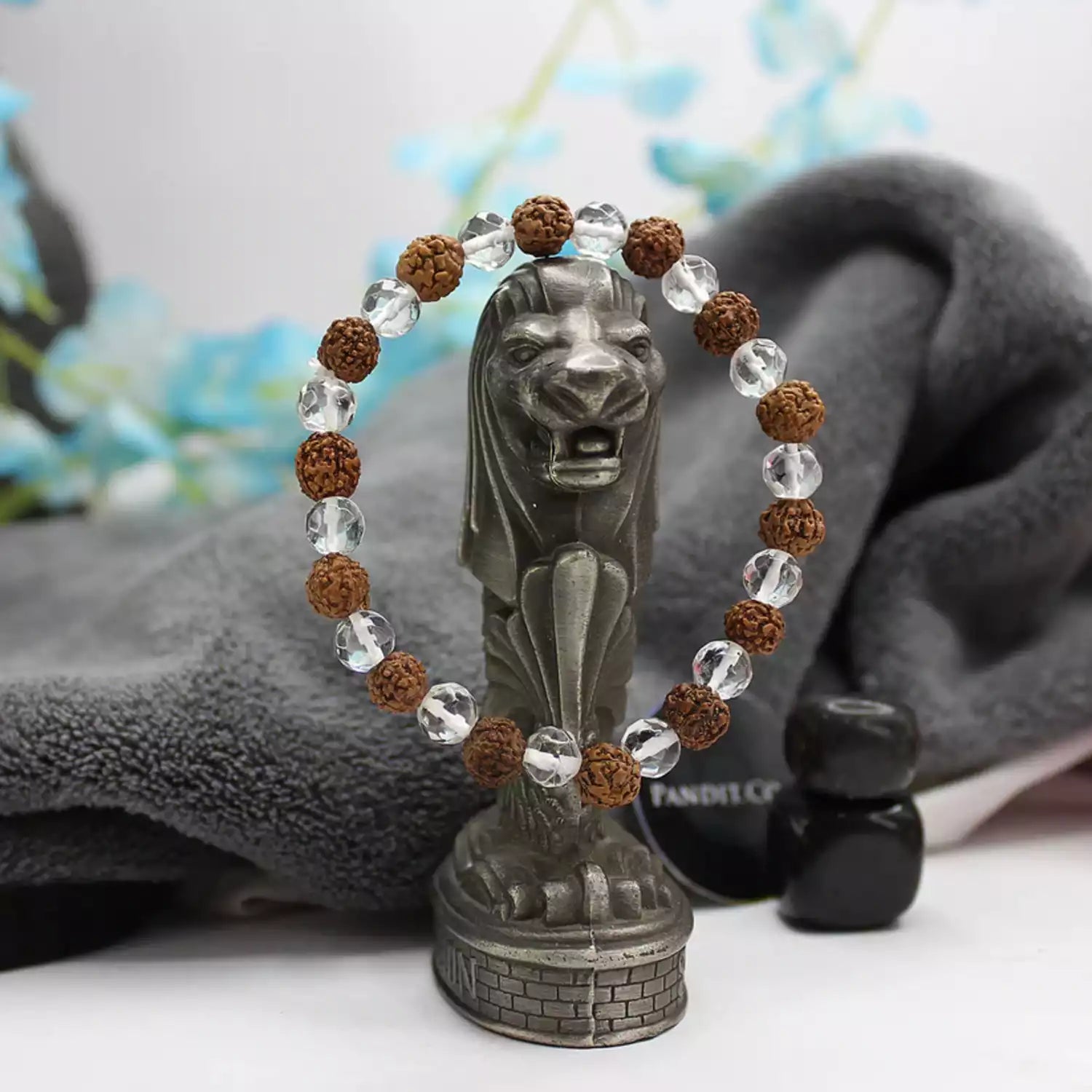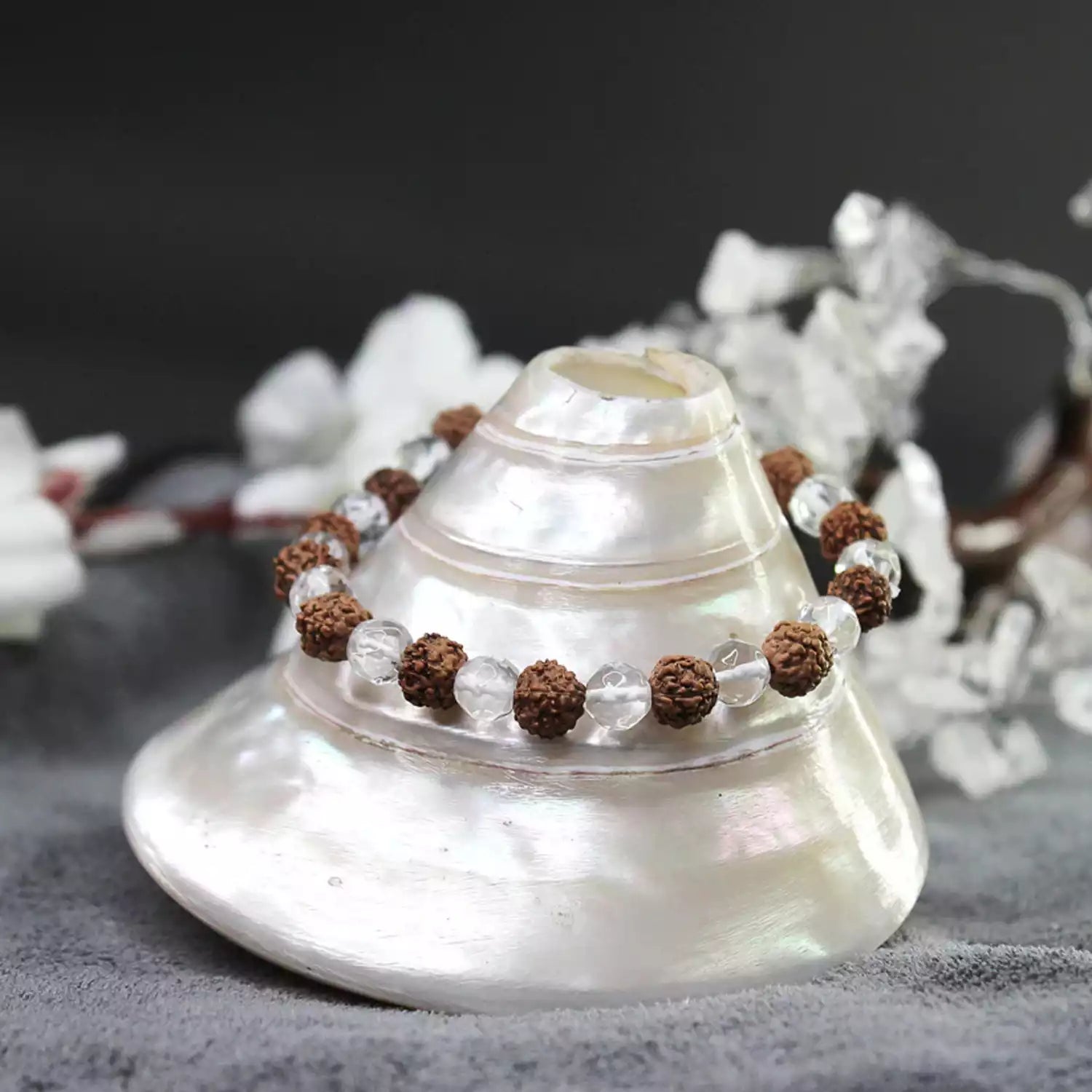


Rudraksha beads are considered sacred in Hindu tradition, believed to bring spiritual, mental, and physical benefits. Whether you are purchasing an original 2 Mukhi Rudraksha India or any other Mukhi, authenticity is essential to experience its traditional spiritual significance.
However, with their growing popularity, the market has seen a surge in fake or artificial Rudraksha beads.
Choosing the right one is crucial to ensure authenticity and derive the true benefits. Here’s a practical guide to help you identify original Rudraksha and avoid counterfeits.
1. Appearance and Texture
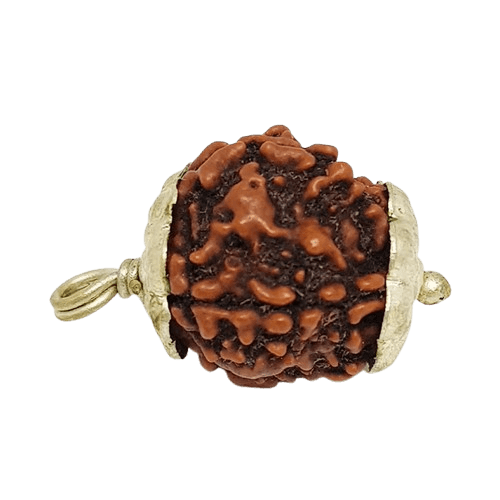
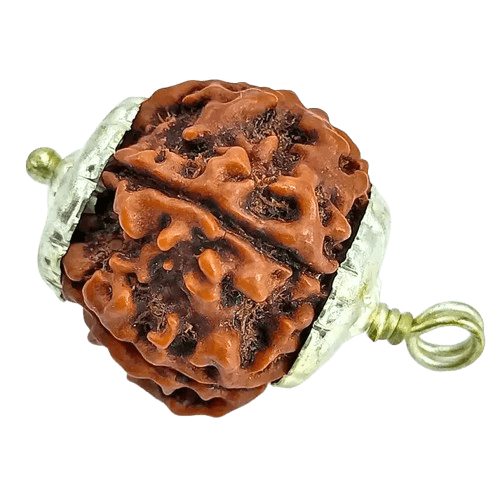
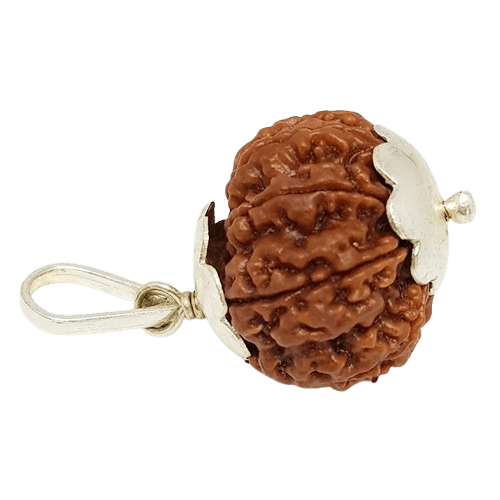
Original Rudraksha beads have a rough, textured surface with natural clefts called “Mukhis.” These clefts are distinct, deep, and consistent, unlike fake beads, which often have painted or etched lines to mimic natural Mukhis.

Tips:
- Look for natural grooves running from top to bottom.
- Check for irregularities—nature rarely makes perfect symmetry.
- Be wary of beads that are too smooth or shiny, as they are likely synthetic or polished.
2. Weight and Density
Authentic Rudraksha beads are lightweight for their size and feel solid. Fake beads made from plastic, glass, or low-quality wood may feel either too heavy or too light.
Tips:
- Hold the bead in your hand; it should feel firm yet not overly dense.
- Drop it gently into water (see below for float test).
3. Water Test
One traditional method is the water test:

- Place the Rudraksha bead in a glass of water.
- Real Rudraksha usually sinks slowly due to its natural density and porosity.
- Fake beads often float or sink too quickly.
Note: This test is not 100% foolproof. Some authentic beads with air pockets may float briefly.
4. X-ray Test or Laboratory Verification
For high-value or multi-mukhi beads, laboratory verification is the most reliable method. An X-ray can reveal internal seed structure, showing natural partitions of Mukhis. Fake beads, even if carved externally, cannot replicate the internal structure.
5. Color and Surface Aging
- Authentic Rudraksha beads usually have natural brown, reddish, or dark hues.
- Over time, they may develop a slight shine due to natural oils from handling
- Beads that appear too bright or artificially polished might be fake.
6. Price and Source
- If the price is unusually low, be cautious. Genuine Rudraksha beads are rare and valued accordingly.
- Always buy from reputed sellers or verified sources.
- Ask for certification if purchasing rare types, such as 14-mukhi or 21-mukhi beads.
Identifying an original Rudraksha requires a combination of observation, simple tests, and trust in the source. Look for natural grooves, solid texture, correct weight, and authentic color. For expensive or rare beads, laboratory certification can provide peace of mind. By taking these precautions, you ensure that the bead you wear carries its intended spiritual and physical benefits, avoiding the disappointment of fake Rudraksha.