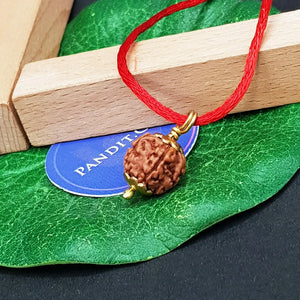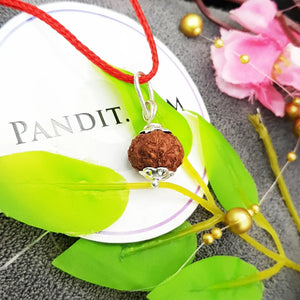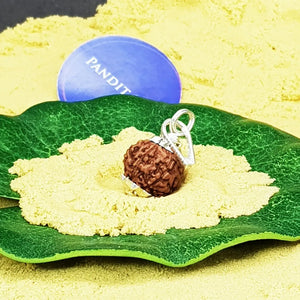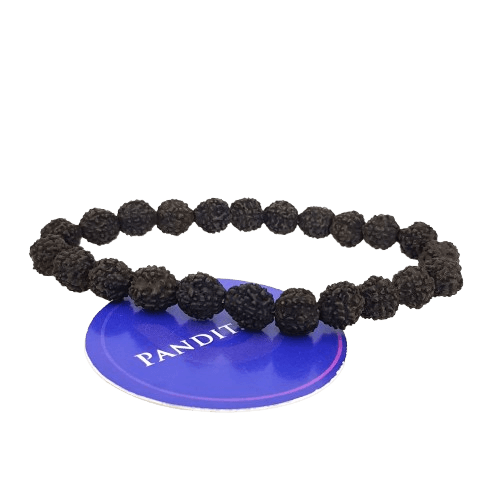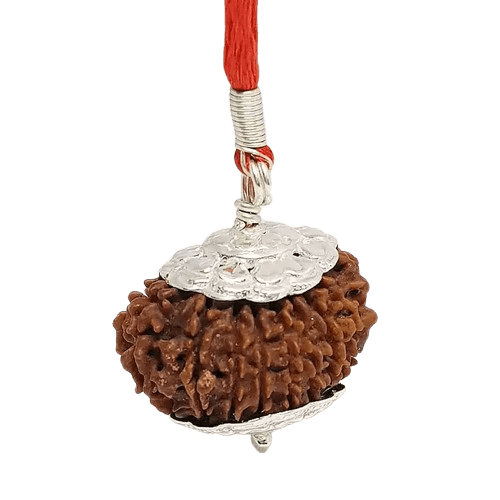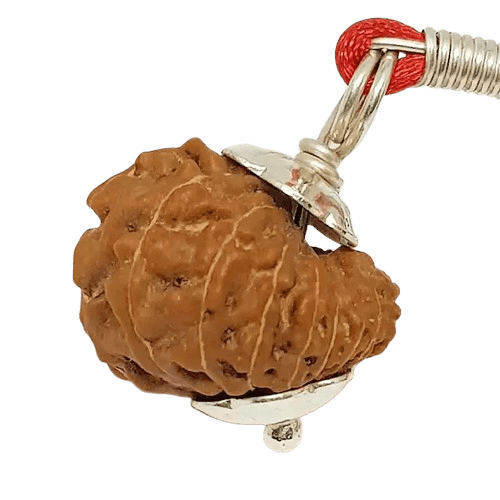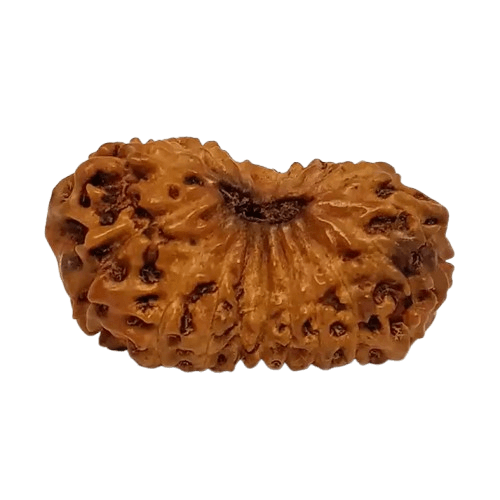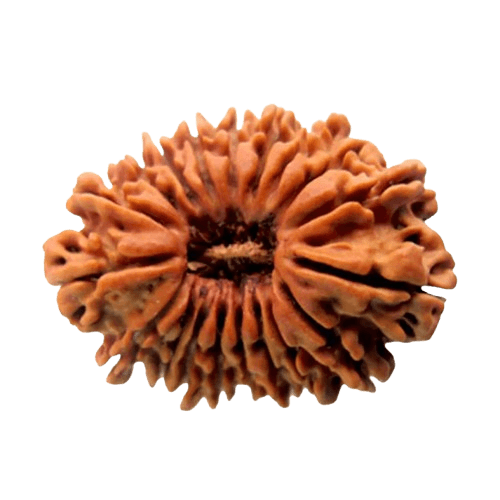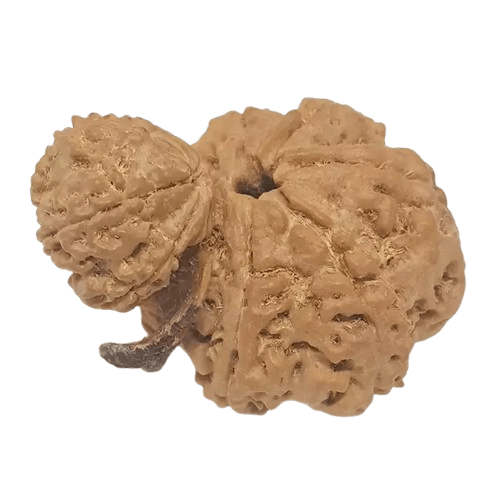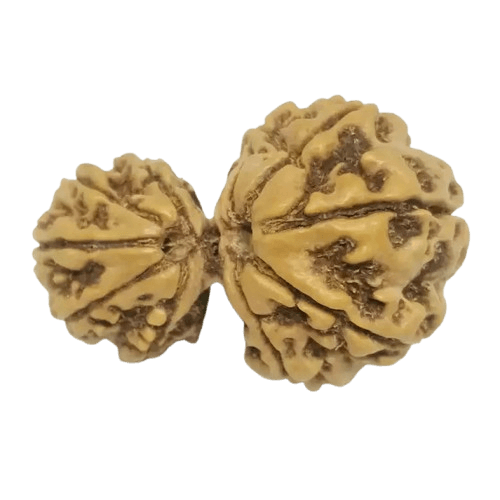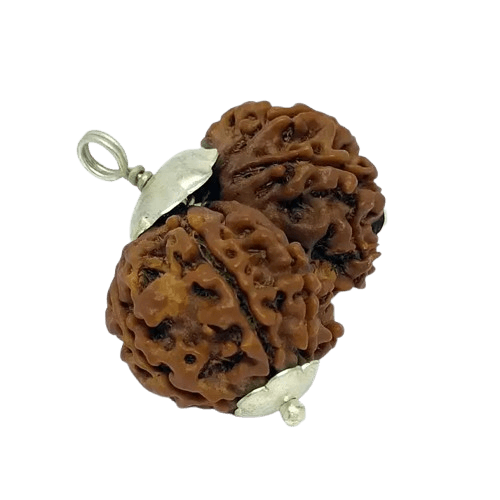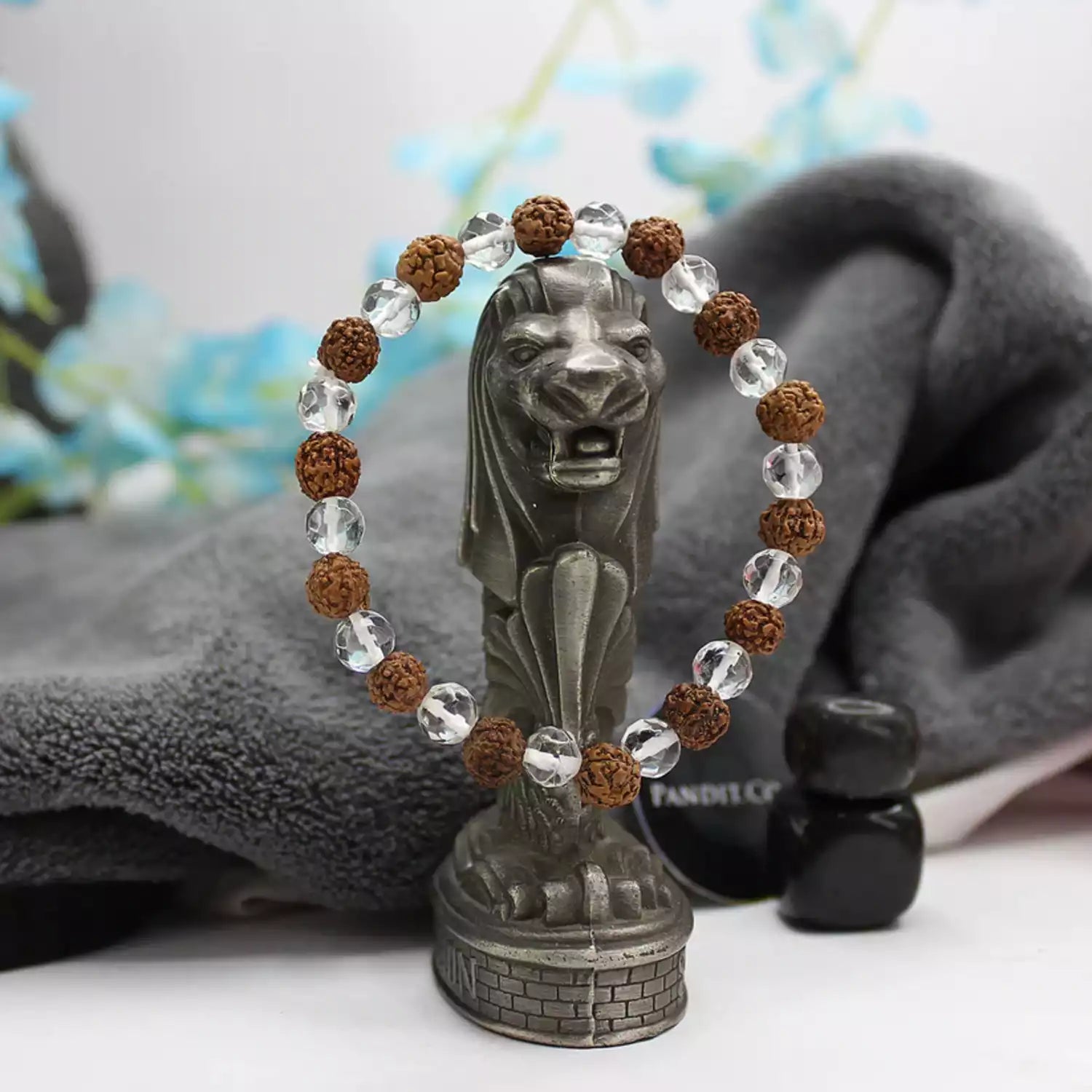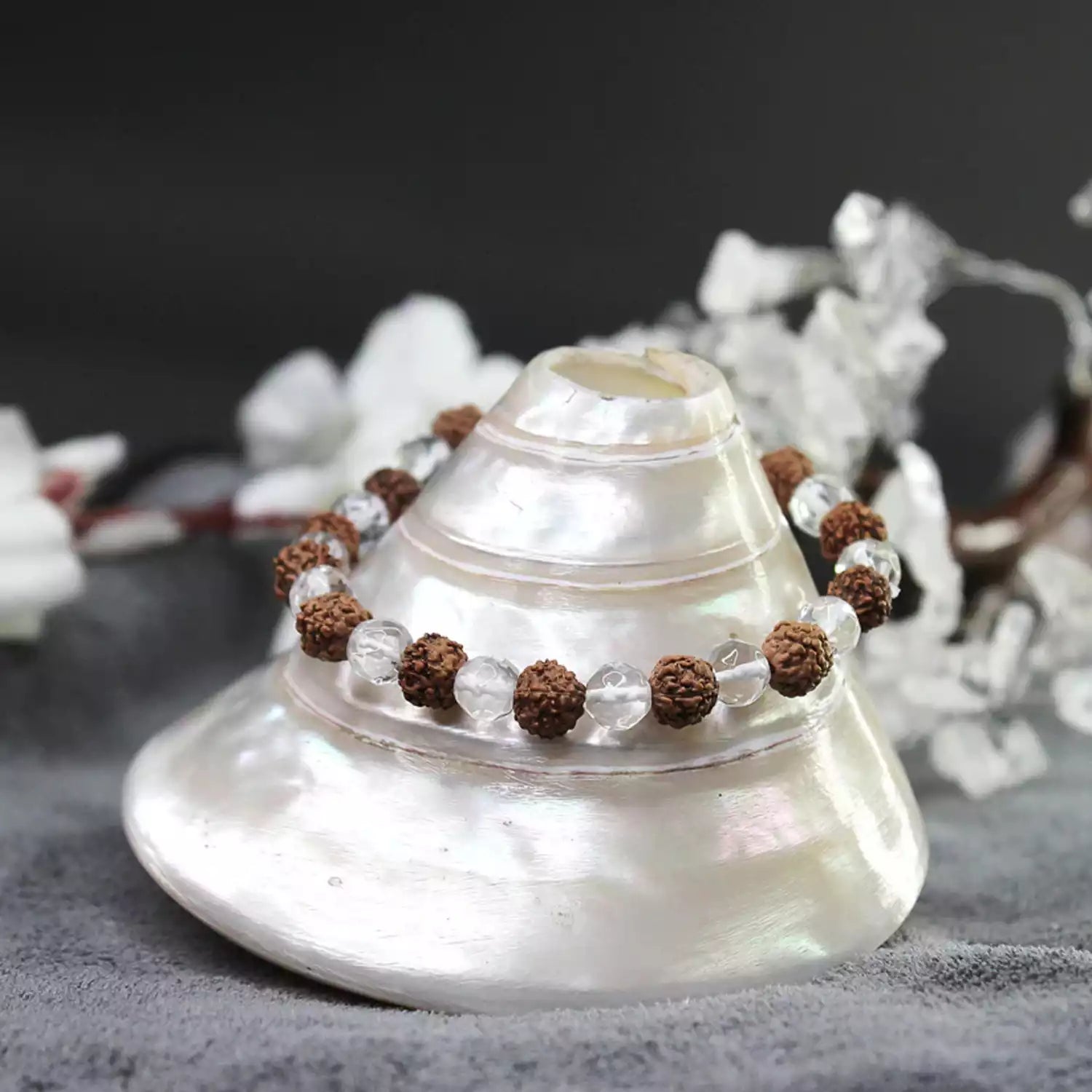


Rudraksha beads hold deep spiritual and healing significance, making their authenticity crucial for practitioners, collectors, and devotees.
With increasing demand, counterfeit and artificially modified beads have become common in the market.
Authentic Rudraksha possesses natural characteristics that enhance its vibrational and therapeutic properties.
Understanding how to identify these features helps ensure you receive a bead that is both energetically potent and spiritually beneficial.
Below are reliable, non-destructive methods to test the authenticity of Rudraksha.
1. Visual Examination of the Mukhis
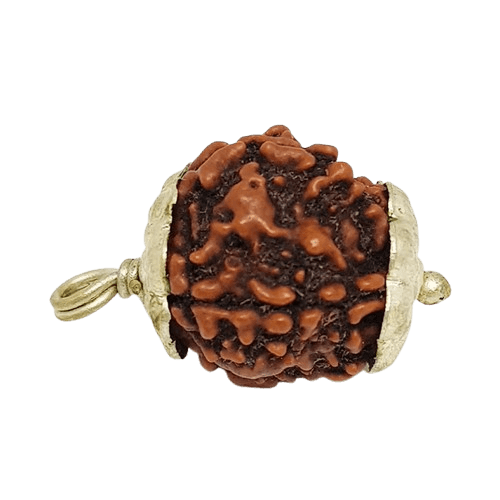
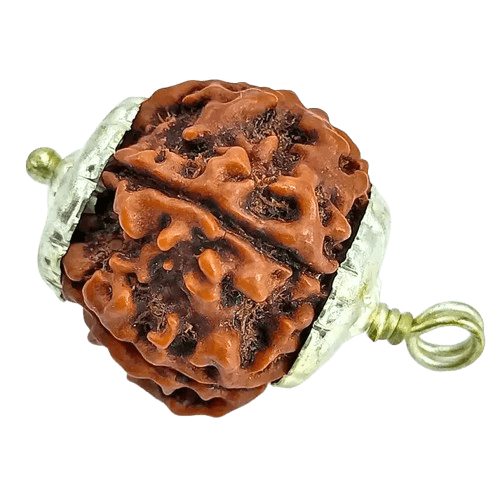
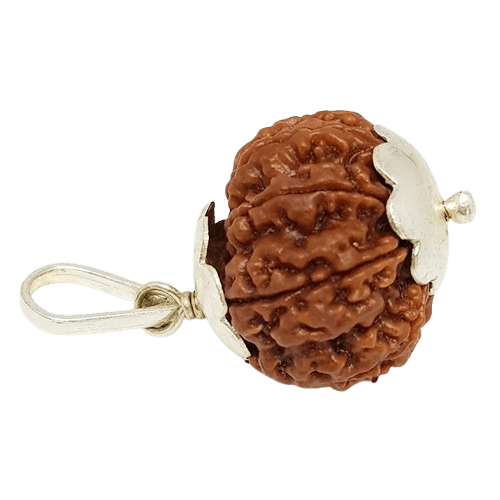
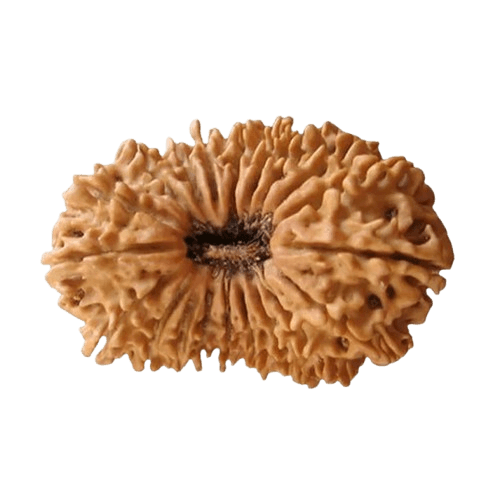
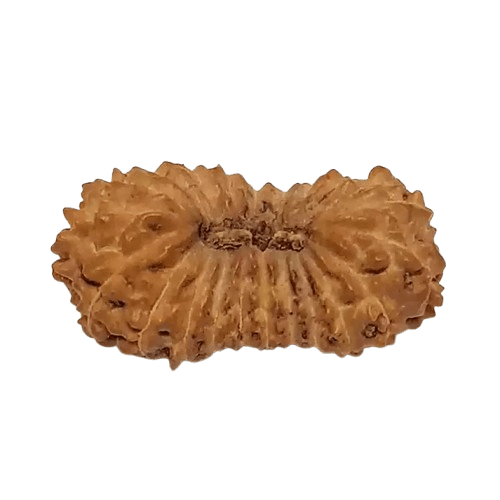
Every real Rudraksha has natural vertical grooves, known as Mukhis. These lines run from the top (where the seed attaches to the tree) to the bottom.
Genuine beads have clearly defined, continuous Mukhis that can't be artificially carved without leaving tool marks.
Always examine the bead under proper lighting: authentic Mukhis appear organic and deep, not shallow or artificially engraved.
2. Check for Natural Holes and Texture
Original Rudraksha beads contain a natural central hole formed during growth. This inner channel is not perfectly smooth; it shows fibrous, uneven patterns.
Additionally, real Rudraksha seeds have a hard, woody texture with natural irregularities. Perfectly polished or extremely smooth beads may indicate tampering.
3. Water Test (Density and Stability)
The commonly known water test involves placing the bead in a bowl of clean water. Real Rudraksha generally sinks due to its natural density.
However, this test alone is not conclusive because some fake beads may also sink, and some genuine lightweight varieties may float.
Therefore, use this method only as a supporting test, not a final verdict.

4. Magnifying Glass Test
Using a magnifying glass or a jeweler’s loupe can reveal details not visible to the naked eye.
Authentic beads show a complex, natural surface with tiny hair-like projections and organic formations.
If you see signs of carving, glue, or polishing marks, the bead may be artificial.
5. Copper Coin Test (Electromagnetic Response)
Rudraksha beads are known to exhibit mild electromagnetic properties due to their internal structure.
When rubbed gently against a copper coin, a real Rudraksha may produce a faint attraction.
Although subtle, this test can help when combined with other verification methods. It is not definitive on its own.
6. X-Ray Verification (Most Accurate)
For high-value beads such as 1 Mukhi or rare Nepal varieties, the X-ray test is the gold standard.
An X-ray reveals whether the bead has the correct number of internal compartments corresponding to its Mukhis.
This method ensures absolute authenticity and rules out glued or artificially joined beads.
7. Trust Reputed Sellers and Certification
Purchasing from certified, established sellers remains one of the most reliable ways to ensure authenticity.
Look for lab verification reports, seller credibility, and transparent return policies.
Reputable dealers provide beads that have undergone multiple authenticity checks.
In conclusion, testing the authenticity of a Rudraksha involves a combination of visual, physical, and scientific methods.
Using multiple tests together—along with purchasing from trusted sources—ensures you obtain a bead that is spiritually pure, energetically strong, and truly authentic.