

The energy of a workplace plays a major role in productivity, morale, and overall well-being.
Whether you work in a busy office, from home, or in a creative studio, the environment around you can influence your focus, communication, and stress levels.
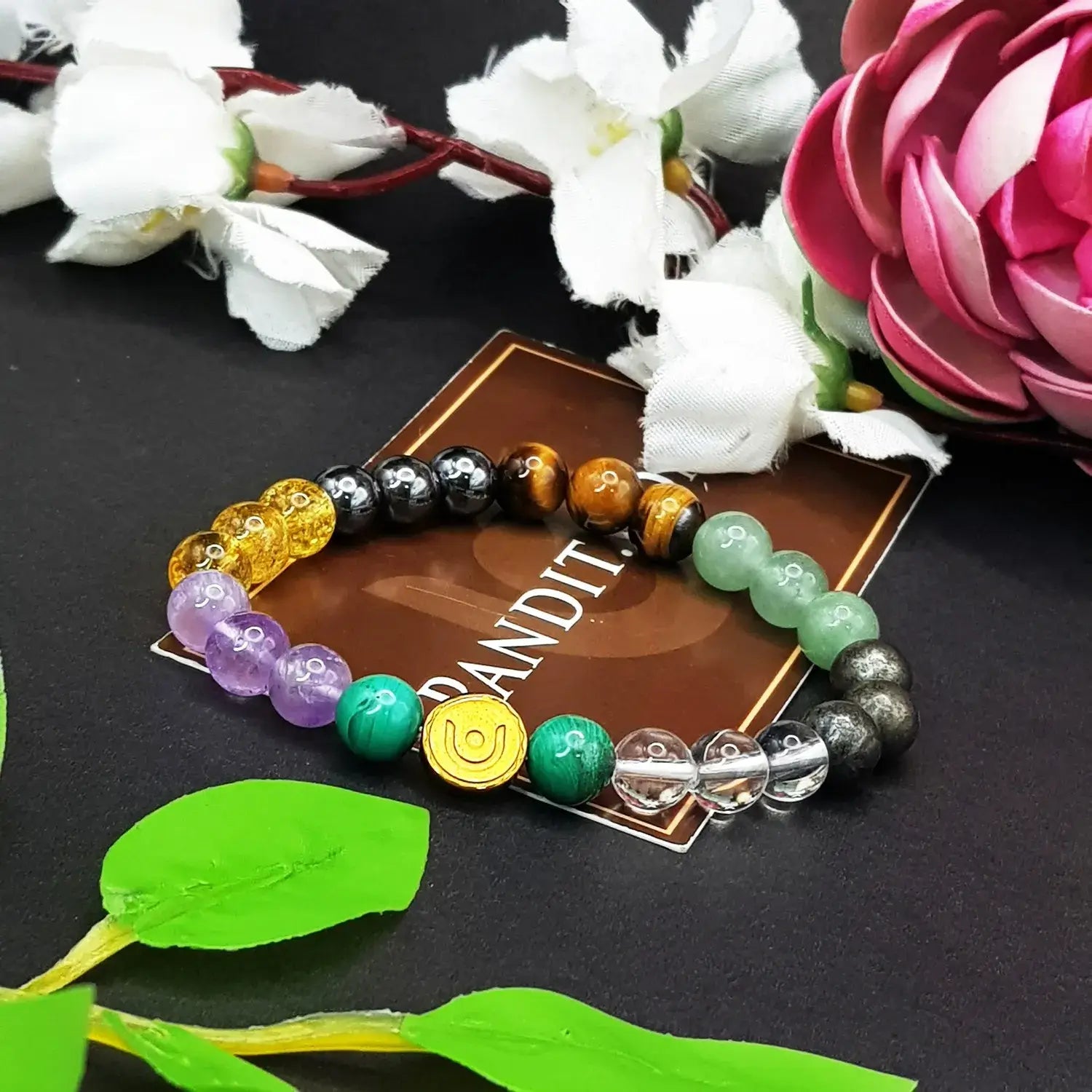
Many people use crystals in the workplace as symbolic tools to promote calm, clarity, and positive energy.
While crystals do not replace healthy work habits, they can serve as intentional reminders to stay balanced and grounded throughout the workday.
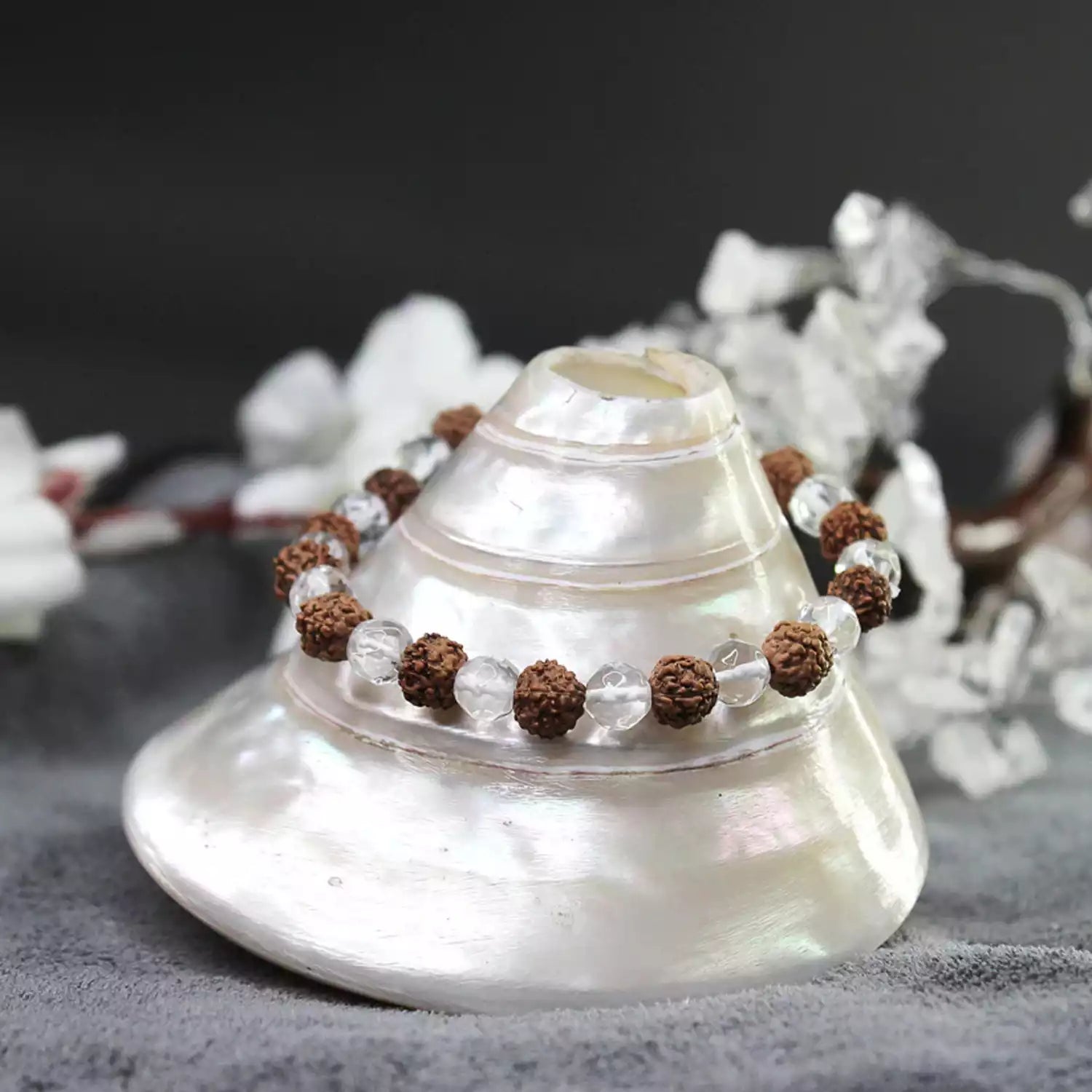
#1 Clear Quartz – Clarity and Productivity
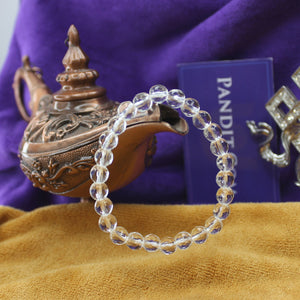
Clear Quartz is often referred to as the “master crystal” because of its versatility. In the workplace, it is commonly associated with mental clarity, focus, and goal alignment.
Keeping clear quartz on your desk or near your computer can symbolize clear thinking, organization, and a productive mindset.
It is also believed to amplify intentions, making it a popular choice for setting daily work goals.
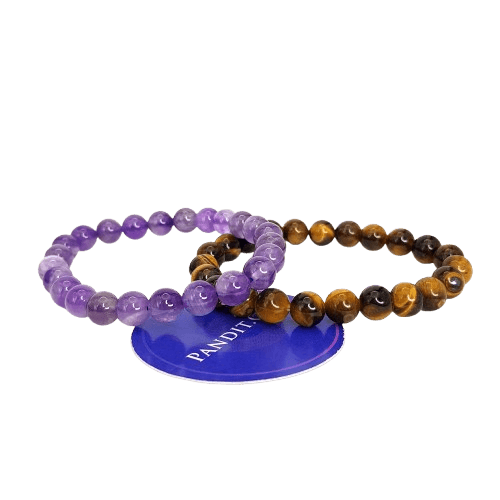
#2 Amethyst – Calm in High-Stress Environments
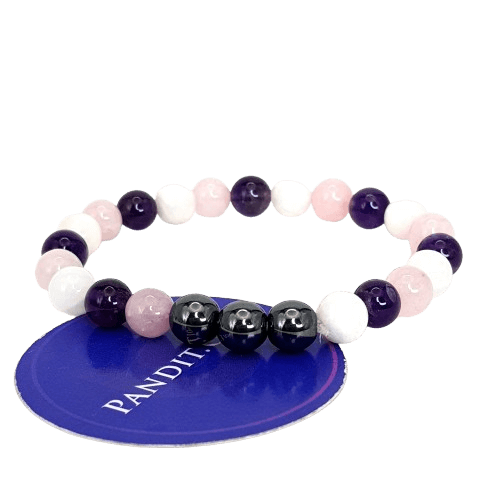
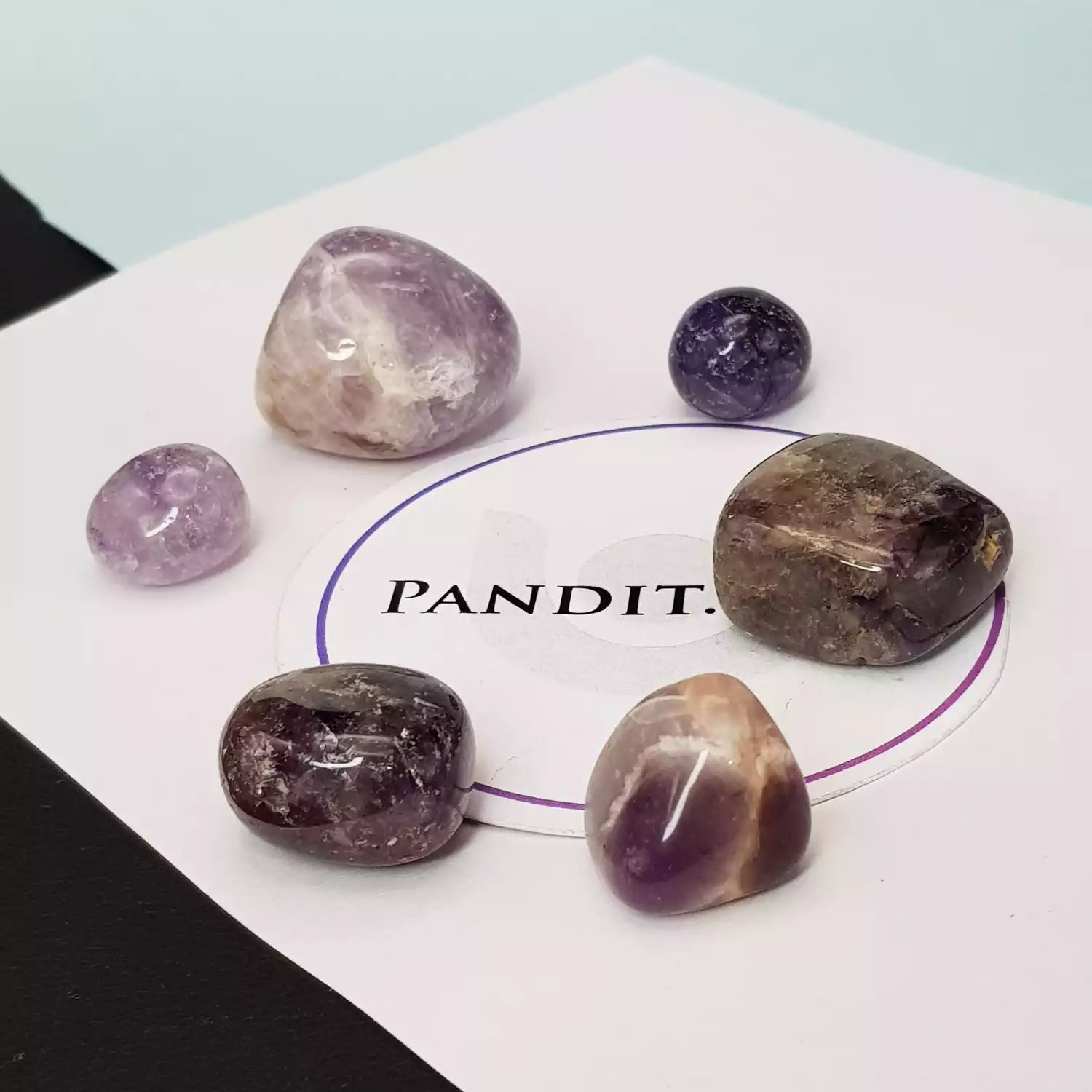
Amethyst is widely used for its association with calmness and emotional balance. In fast-paced or high-pressure work environments, amethyst is often chosen to represent stress relief and mental clarity.
Many professionals place amethyst near their workspace to remind themselves to pause, breathe, and respond thoughtfully rather than react impulsively.
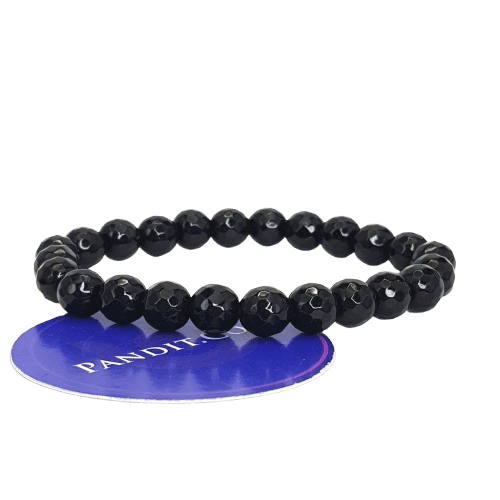
#3 Black Tourmaline – Protection and Grounding
Black Tourmaline is commonly associated with grounding and protection from negative energy.
In workplaces where tension, conflict, or heavy workloads are common, this crystal is often used as a symbolic shield.
Placing black tourmaline near electronic devices or entry points is believed to help create a sense of stability and energetic boundaries.
#4 Citrine – Motivation and Positive Energy
Citrine is frequently linked with optimism, motivation, and success. It is a popular choice for offices, meeting rooms, and home workspaces.
Citrine is often used as a reminder to maintain a positive attitude, encourage creativity, and stay motivated when tackling challenging tasks or long projects.

#5 Fluorite – Focus and Organization
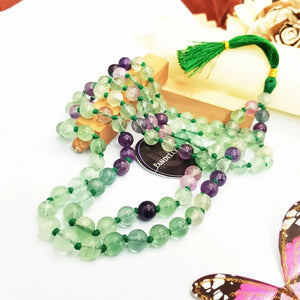
Fluorite is associated with mental organization and concentration, making it especially useful in detail-oriented or analytical work environments.
Students, researchers, and professionals in technical fields often use fluorite to symbolize clarity, focus, and structured thinking.
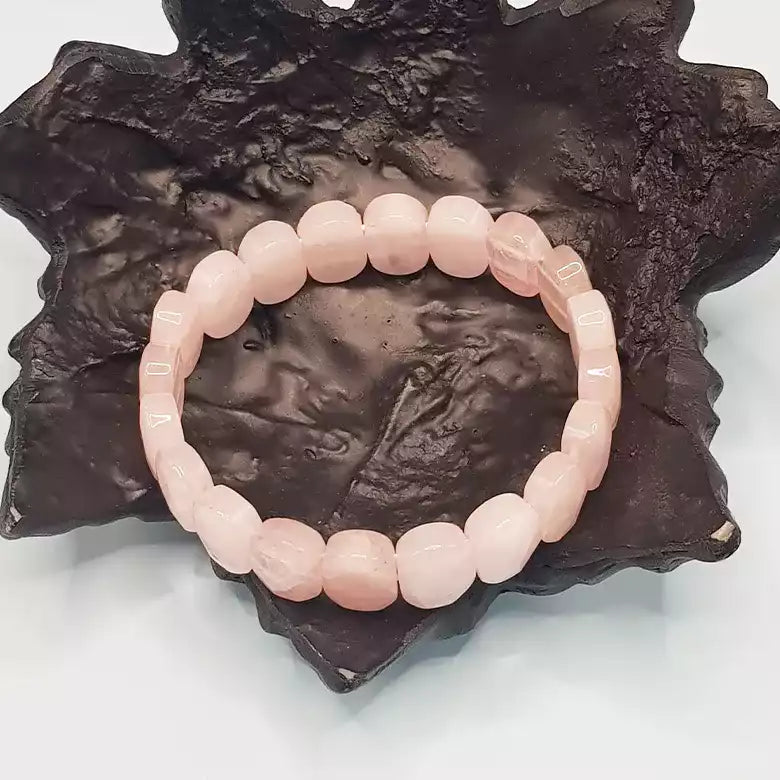
#6 Rose Quartz – Harmony and Teamwork
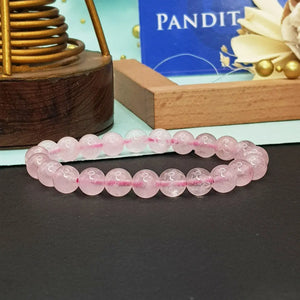
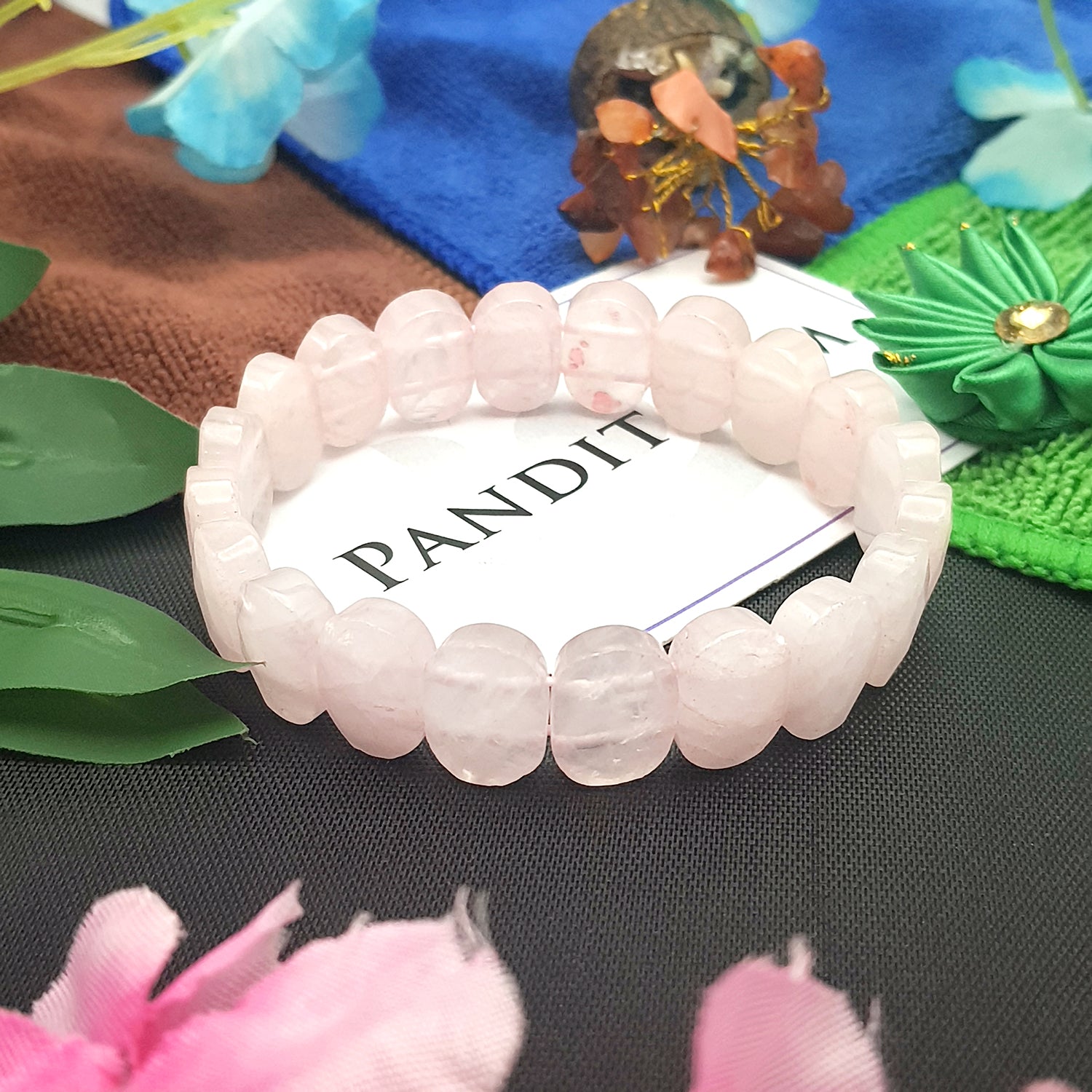
Rose Quartz is known for its connection to compassion and emotional balance.
In shared workspaces, rose quartz is often used to promote harmonious relationships, empathy, and positive communication.
It can be especially helpful in team-based environments or customer-facing roles where emotional intelligence is essential.
#7 Hematite – Grounded Focus
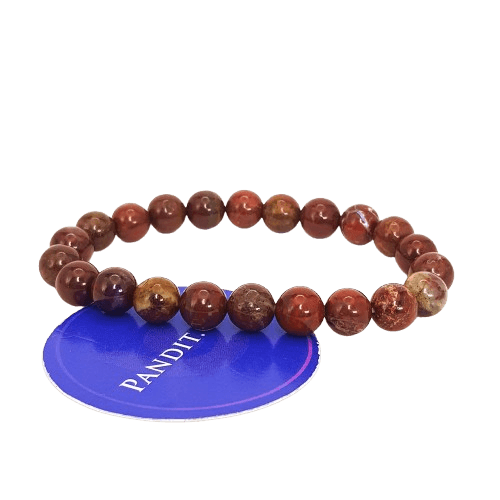
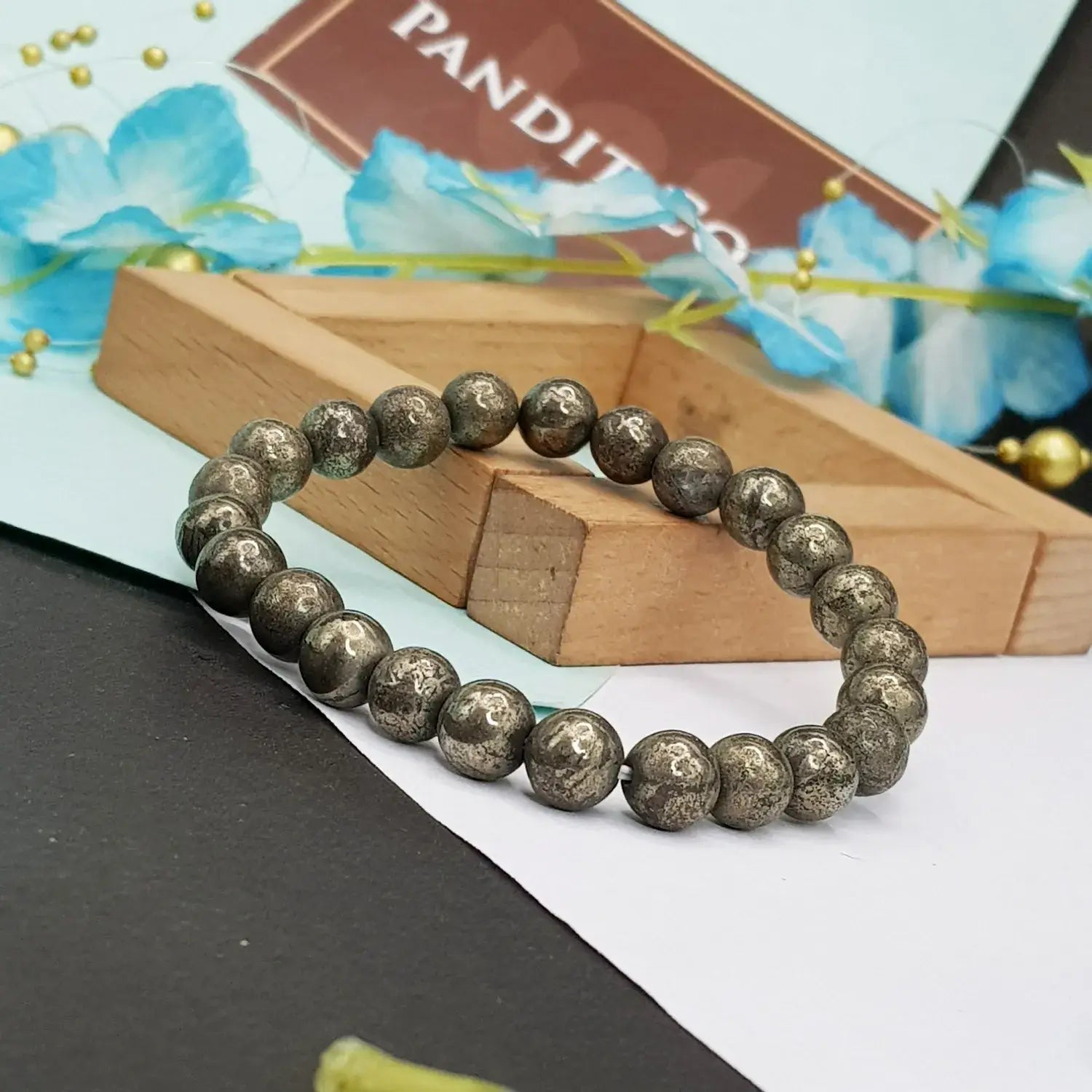
Hematite is associated with grounding energy and discipline. It is commonly used to symbolize focus, stability, and practical thinking.
Placing hematite on a desk can serve as a reminder to stay present, organized, and attentive throughout the workday.
Using crystals for workplace energy is about intention and mindfulness rather than superstition.
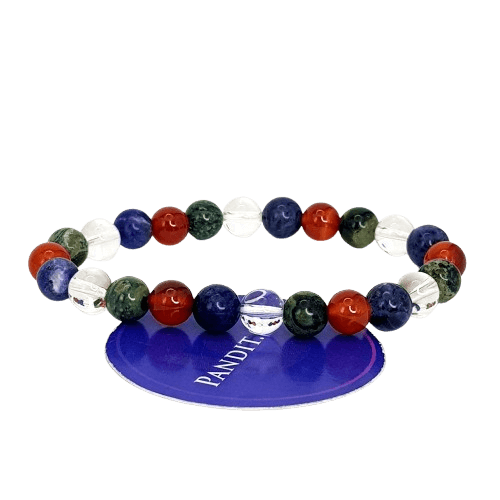
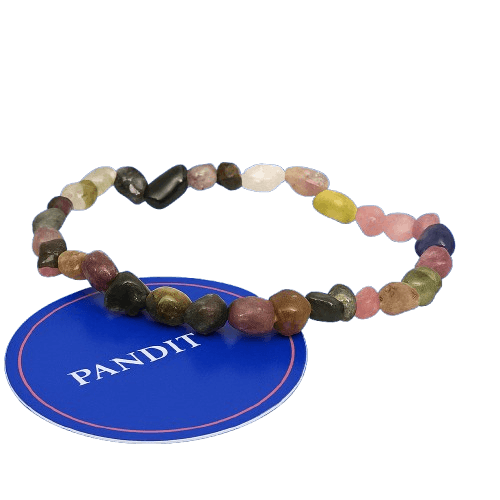
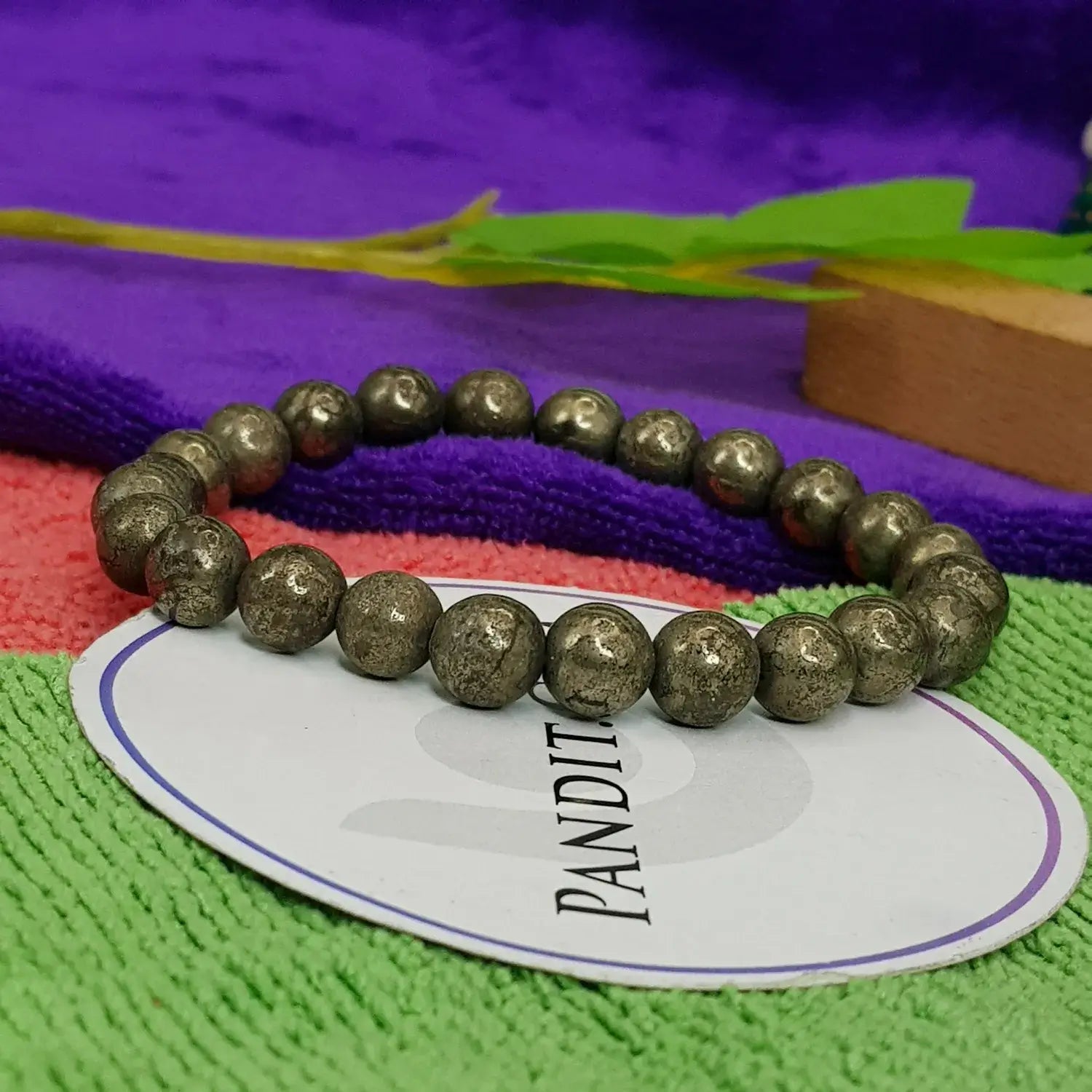
Whether displayed on a desk, incorporated into décor, or worn as jewelry, crystals can help create a work environment that feels calmer, more focused, and more positive.
Choosing crystals that align with your workplace needs can support a balanced and productive professional atmosphere.