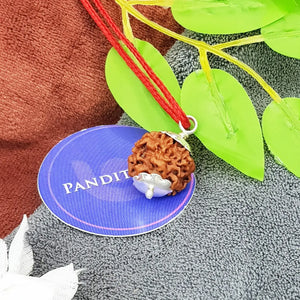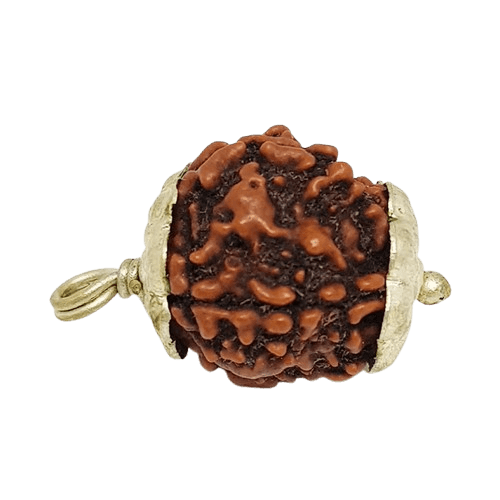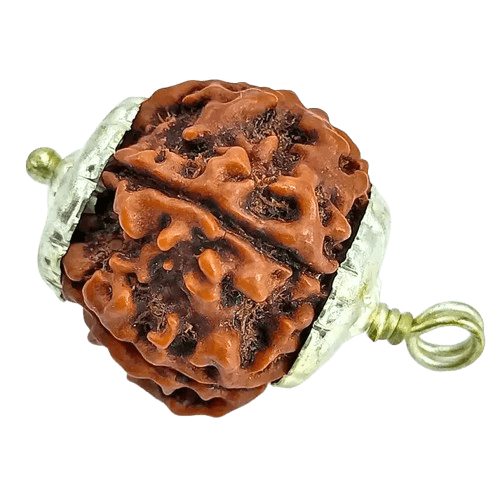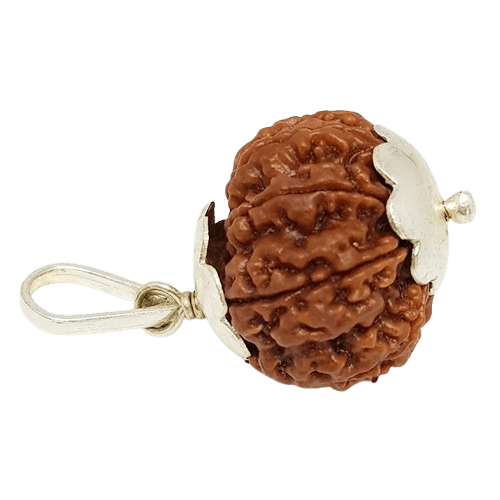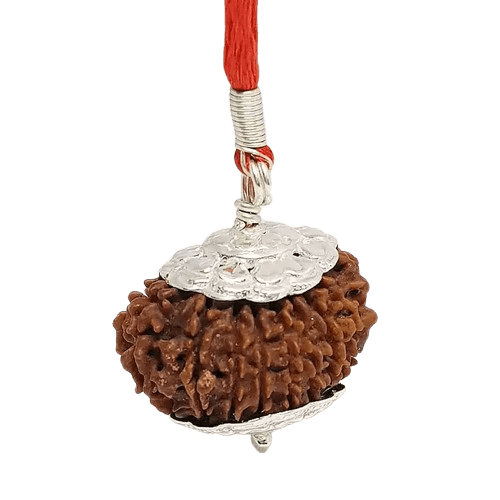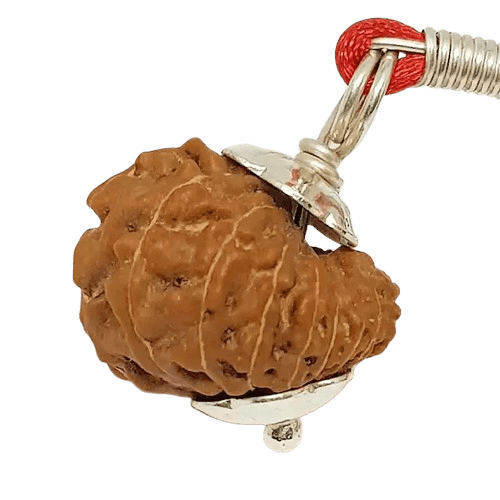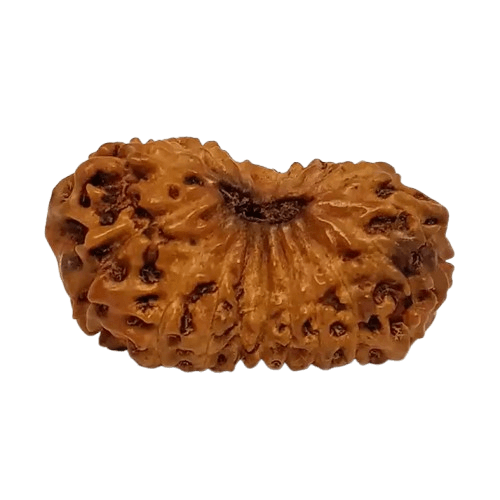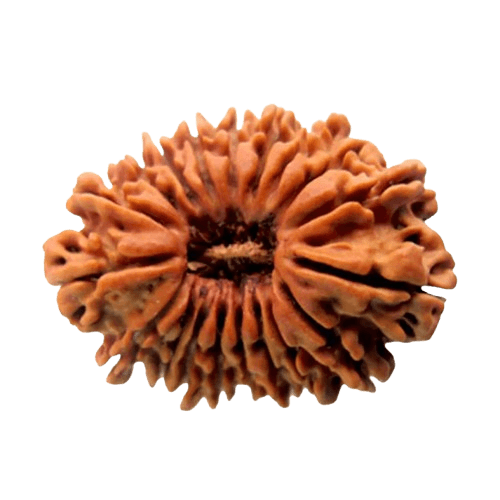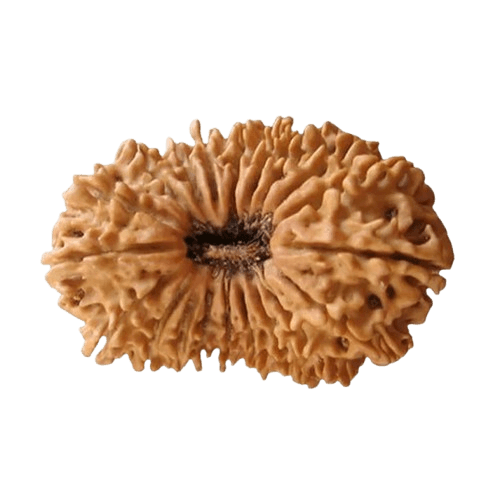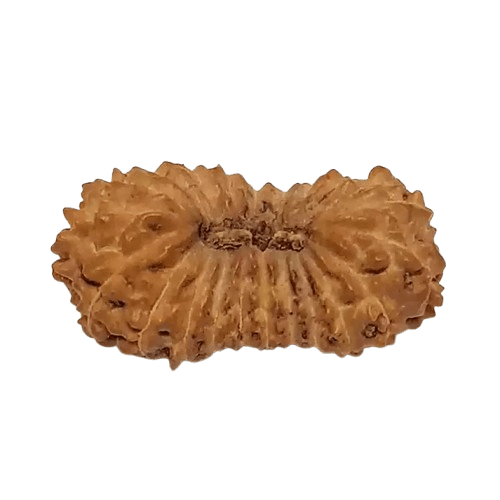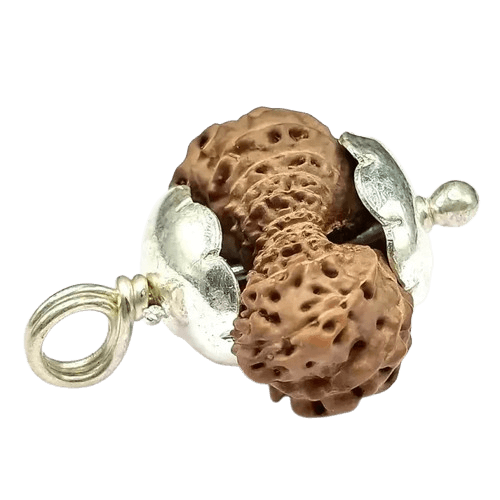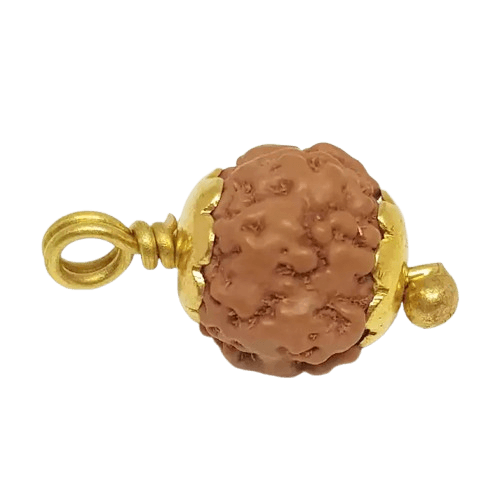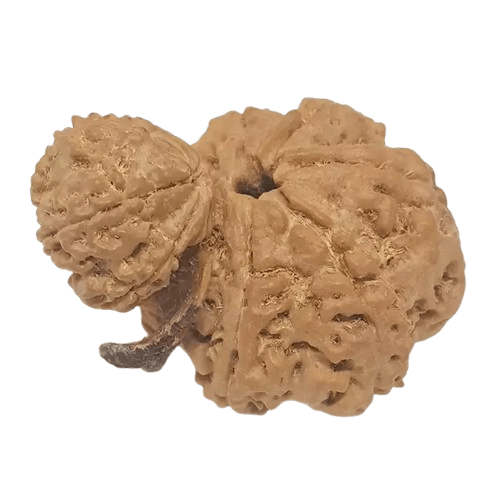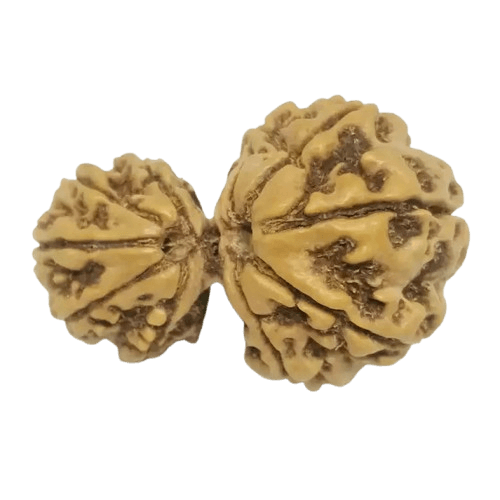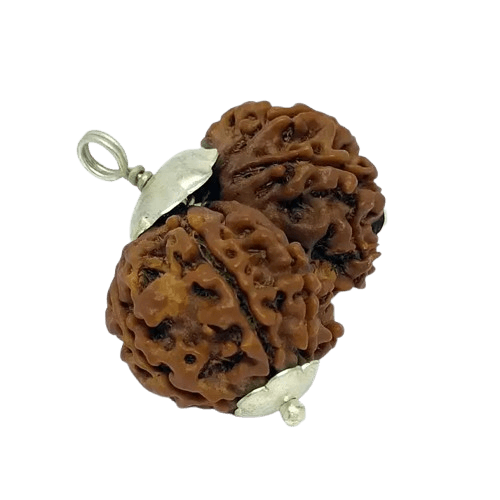


The original 1 Mukhi Rudraksha India is considered the rarest and most sacred of all Rudraksha beads, symbolizing Lord Shiva's divine energy and the oneness of the universe.
Its rarity and spiritual significance make it highly sought after, but unfortunately, this also makes it a target for counterfeiters.
Fake or artificially modified beads are increasingly common in the market, making it essential for devotees and collectors to know how to identify a genuine 1-Mukhi Rudraksha.
A wrong bead not only diminishes spiritual benefits but can mislead devotees into thinking they possess a sacred object that is not authentic.
1. Examine the Mukhi (Facial Line)
The defining feature of a 1-Mukhi Rudraksha is its single, natural groove running from the top to the bottom of the bead.
In authentic beads, this line is naturally formed, subtle, and slightly irregular. Counterfeit beads may have carved or artificially etched lines, which often appear too perfect or uniform.
It is important to look closely under natural light or magnification; the line should blend seamlessly with the bead’s texture and contours, not appear as an artificial incision.
2. Check the Shape and Texture
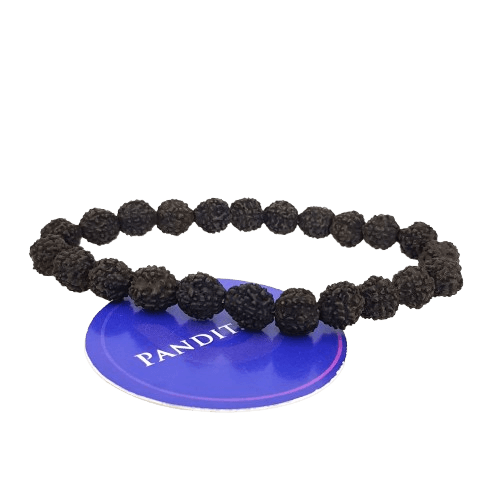
Authentic 1-Mukhi Rudrakshas have a slightly oval or round shape and a rough, textured surface.
The ridges and natural pits on the bead should look organic and uneven, reflecting the bead’s natural growth.
Fake beads are often too smooth, shiny, or perfectly symmetrical, which is unnatural for seeds grown in the Himalayan or Nepali regions.
Paying attention to the texture is one of the easiest ways to differentiate genuine beads from counterfeit ones.
3. Perform the Water Test
The water test is a traditional method used to verify authenticity.
- A real Rudraksha bead will float briefly on water due to its density and internal structure.
- Fake beads, often made of wood, plastic, or resin, tend to sink immediately.
While not a foolproof test, it is a simple preliminary check that can indicate whether further investigation is needed.
4. Observe Weight and Density
Genuine 1-Mukhi beads are lightweight yet solid.
They have a certain heft but are not excessively heavy, as artificially made beads may be.
Comparing with a known authentic bead of similar size can help assess the correct density.

5. Verify with Lab Certification
Given the rarity of 1-Mukhi Rudraksha, reputable sellers often provide lab-certified authenticity reports.
These certifications typically include microscopic images, mukhi count verification, and origin confirmation.
Always insist on certification from a recognized lab or authorized seller before investing in a 1-Mukhi bead.
6. Avoid Suspiciously Cheap Beads
If the price seems too good to be true, it probably is. Genuine 1-Mukhi Rudrakshas are extremely rare, and their value reflects that.
Extremely low prices may indicate synthetic or fake beads, or beads that have been tampered with to mimic a 1-Mukhi appearance.
7. Trust Expert Advice
For first-time buyers or devotees, consulting a trusted spiritual guide, priest, or Rudraksha expert can provide additional assurance.
Experts can identify subtle characteristics that may be missed by the untrained eye, ensuring that you receive a truly sacred bead.
In conclusion, spotting a fake 1-Mukhi Rudraksha requires careful observation of the mukhi line, shape, texture, weight, and origin.
Combining traditional tests with modern verification methods, such as lab certification, ensures authenticity.
Owning a genuine 1-Mukhi Rudraksha is not just a spiritual blessing—it is an opportunity to connect with the divine energy of Lord Shiva.
Protecting this sacred investment is crucial for both spiritual and practical reasons.